
Buying GuidesAugust 29, 20267 min read
What Size Dehumidifier Do I Need?
Find out what size dehumidifier you need for your room based on room size, humidity levels, moisture sources, and usage. A simple guide for Indian homes and offices.
 |The Most Preferred Brand on the Government e-Marketplace (GeM) Portal
 |The Most Preferred Brand on the Government e-Marketplace (GeM) Portal.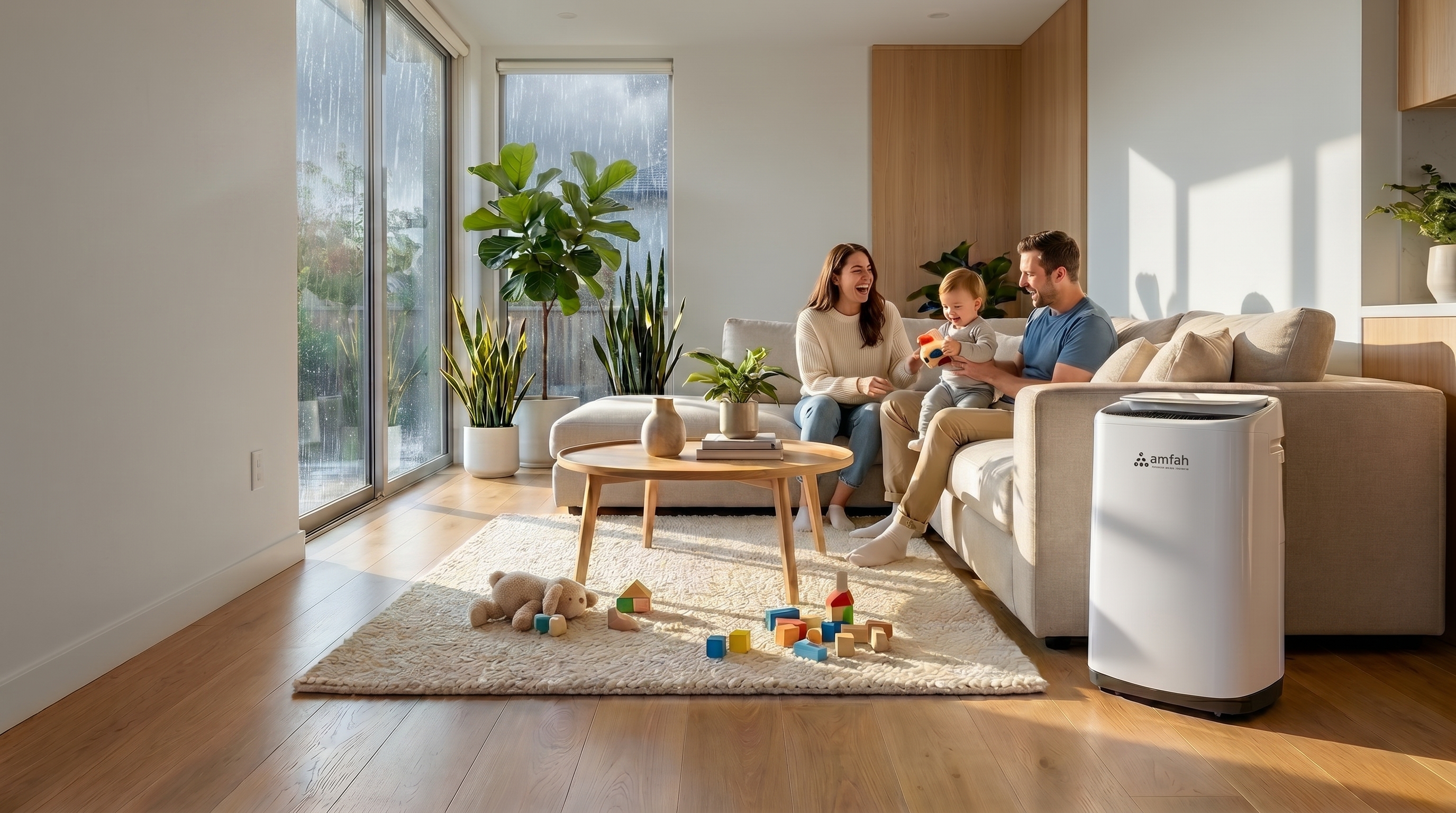
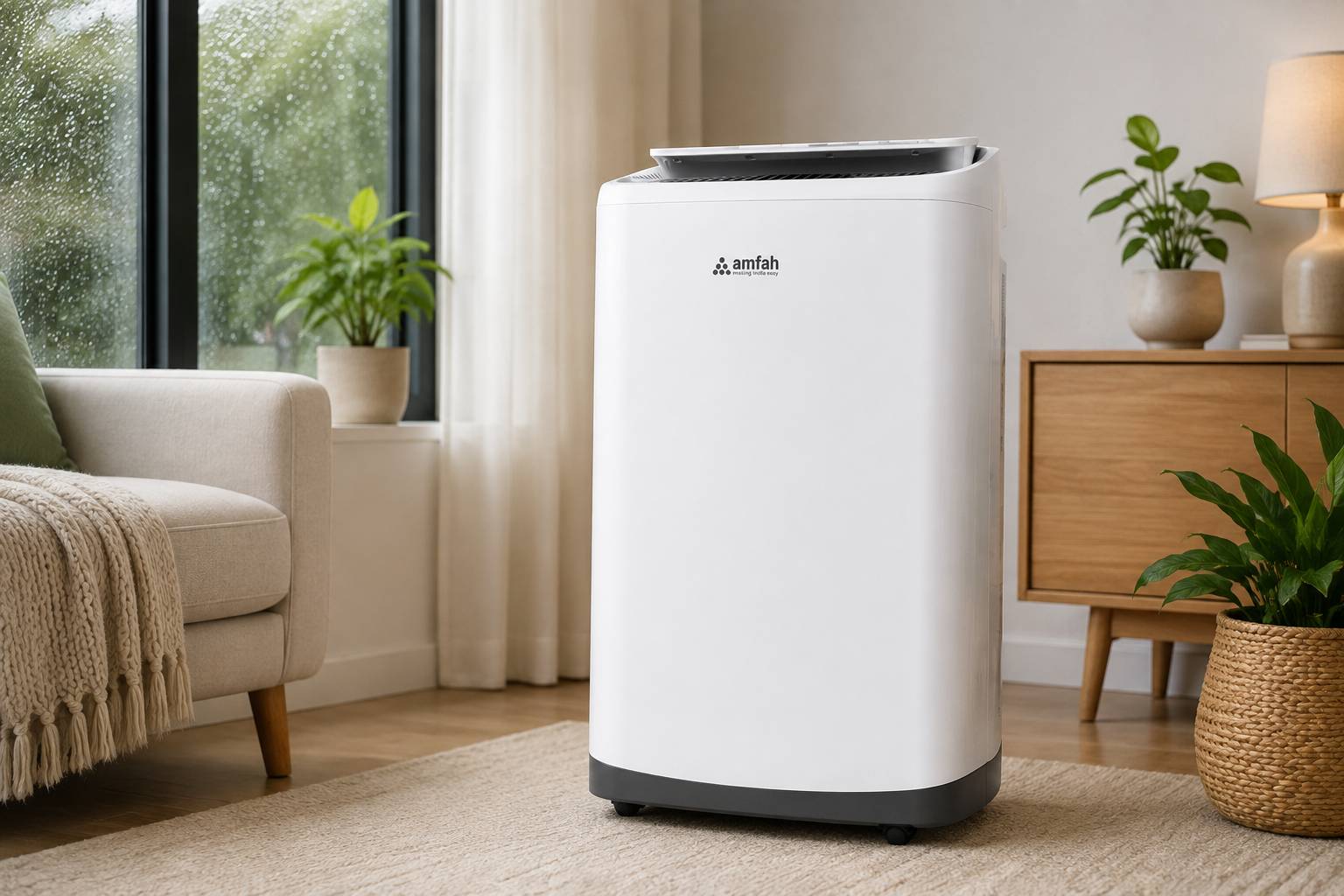
Excess moisture, in your home is really bad. It can make you feel uncomfortable. It can also cause mold and damage. If you want to buy a home dehumidifier in India you should know what to look for. There are some features that you should consider when choosing a home dehumidifier. Our guide will help you learn how to choose the home dehumidifier in India.
India's climate has different weather conditions. In some areas it gets very humid during the monsoon and coastal seasons. When there is much moisture in the air it can make your home feel really uncomfortable. This extra moisture can also lead to mold growth, bad smells and even damage to your furniture, electronics and clothes. A good dehumidifier is really helpful in keeping the humidity levels in your home right. It helps create an fresher living space. The dehumidifier also makes your home feel more comfortable. India's climate is highly diverse with dehumidifier it can be handled easily. Dehumidifier helps to remove moisture from air. Moisture, in air causes many damages and dehumidifier prevents it.
A dehumidifier helps to get rid of moisture in the air. This keeps humidity levels between 40 percent and 60 percent. Having the right humidity level makes your home feel more comfortable. It also helps prevent damage to your home that can happen over time if there's much moisture.
A home dehumidifier is helpful in ways:
A lot of people who own homes do not know that much humidity is bad for your health and your house. You might need to get a dehumidifier if you see any of these things happening:
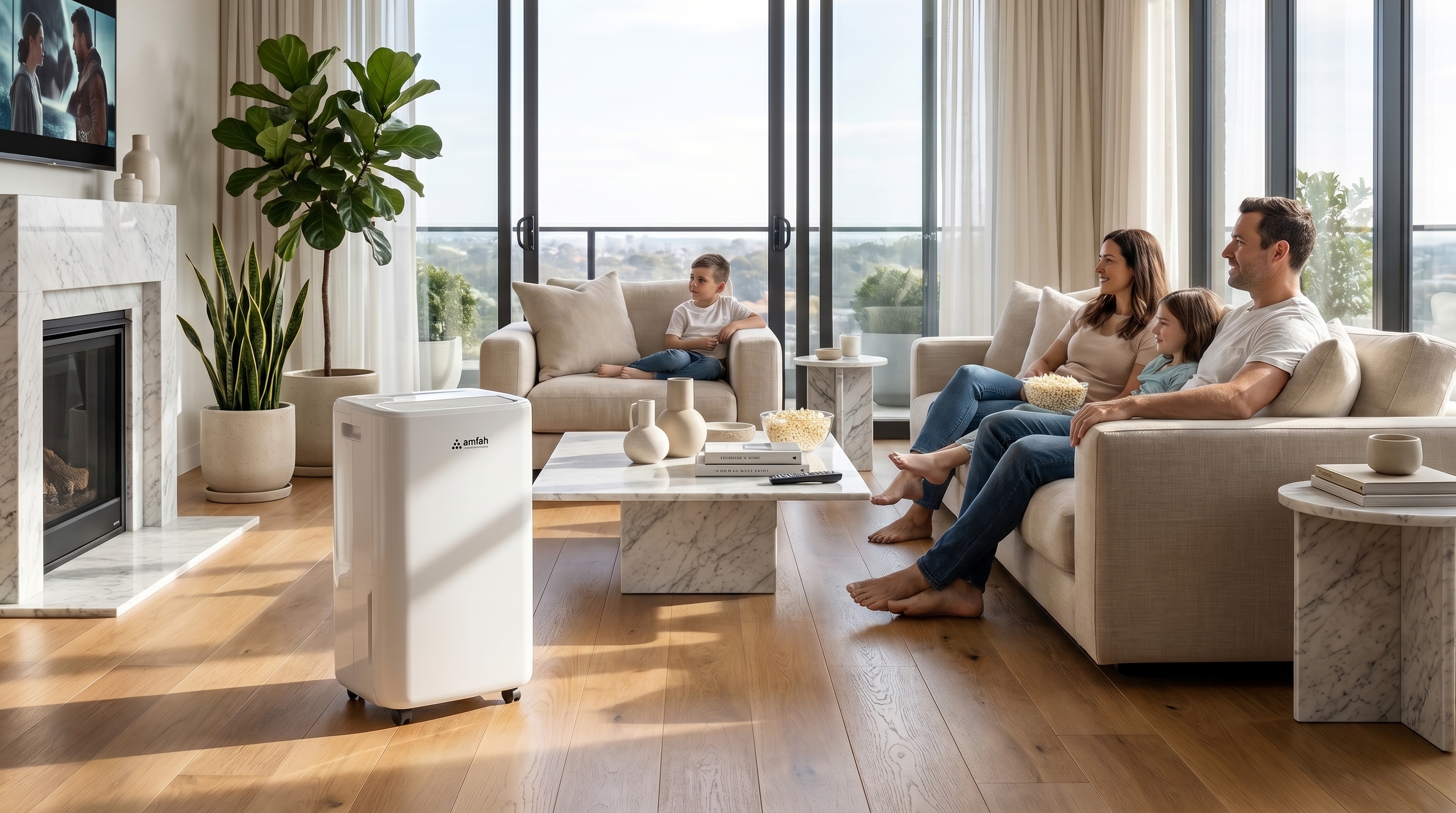
Installing a dehumidifier offers several long-term advantages for your home and family.
High humidity encourages the growth of mold spores, bacteria, and dust mites. By controlling moisture, a dehumidifier creates a cleaner indoor environment that is more comfortable for everyone.
Excess moisture can damage furniture, books, electronics, mattresses, carpets, and wooden flooring. A dehumidifier helps extend the life of these valuable household items.
Rooms with high humidity often develop unpleasant smells caused by mold and mildew. Maintaining balanced humidity keeps your home smelling fresh.
Lower humidity levels make indoor spaces feel cooler and more comfortable, especially during India's humid summer and monsoon seasons.
Choosing the right dehumidifier depends on several important factors.
Select a dehumidifier with the appropriate capacity for the room where it will be used. Larger spaces require higher moisture removal capacity.
The capacity is usually measured in litres per day (LPD). A higher LPD rating means the unit can remove more moisture within 24 hours.
A larger water tank allows the unit to operate for longer before it needs to be emptied.
If you plan to use the dehumidifier for extended periods, choose a model that supports continuous drainage through a hose connection.
Bedrooms, study rooms, and offices benefit from quieter dehumidifiers that operate with minimal sound.
Modern dehumidifiers often include a digital humidity display, auto humidity control, timer function, child lock, auto restart after power failure, automatic defrost, and full water tank indicator.
The right capacity depends on room size and humidity levels.
| Room Type | Recommended Capacity |
|---|---|
| Bedroom | 10–18 Litres per day |
| Living Room | 18–30 Litres per day |
| Large Hall | 35–45 Litres per day |
| Basement | 45–50 Litres per day |
| Entire Home | 50+ Litres per day |
Although they improve indoor comfort, a dehumidifier and an air purifier serve different purposes:
Many modern units combine both functions, providing humidity control along with advanced air filtration for a healthier indoor environment.
Smart dehumidifiers keep an eye on humidity levels. Change how they work to keep your home comfortable. They use less energy and you do not have to do much. Some smart dehumidifiers have controls. They also have humidity sensors. Turn off on their own. These features make them easy to use in your home. They help you save energy. You feel more comfortable. You do not have to do much to make them work.
Buying a dehumidifier for your home is a great way to make it more comfortable and prevent damage from moisture. If you live near the ocean. Deal with a lot of humidity during the rainy season or if you just want the air in your home to be healthier getting the right dehumidifier can really help.
When you pick a dehumidifier that's the right size for your home has smart controls to keep the humidity just right and does not use too much energy you can have a home that feels clean and fresh all year round. The right dehumidifier can make a difference in how your home feels. Your home will be more comfortable, with a dehumidifier.
Find out what size dehumidifier you need for your room based on room size, humidity levels, moisture sources, and usage. A simple guide for Indian homes and offices.
Discover why portable ACs are becoming popular in India and how they offer flexible cooling for homes, rental properties, offices, and commercial spaces.
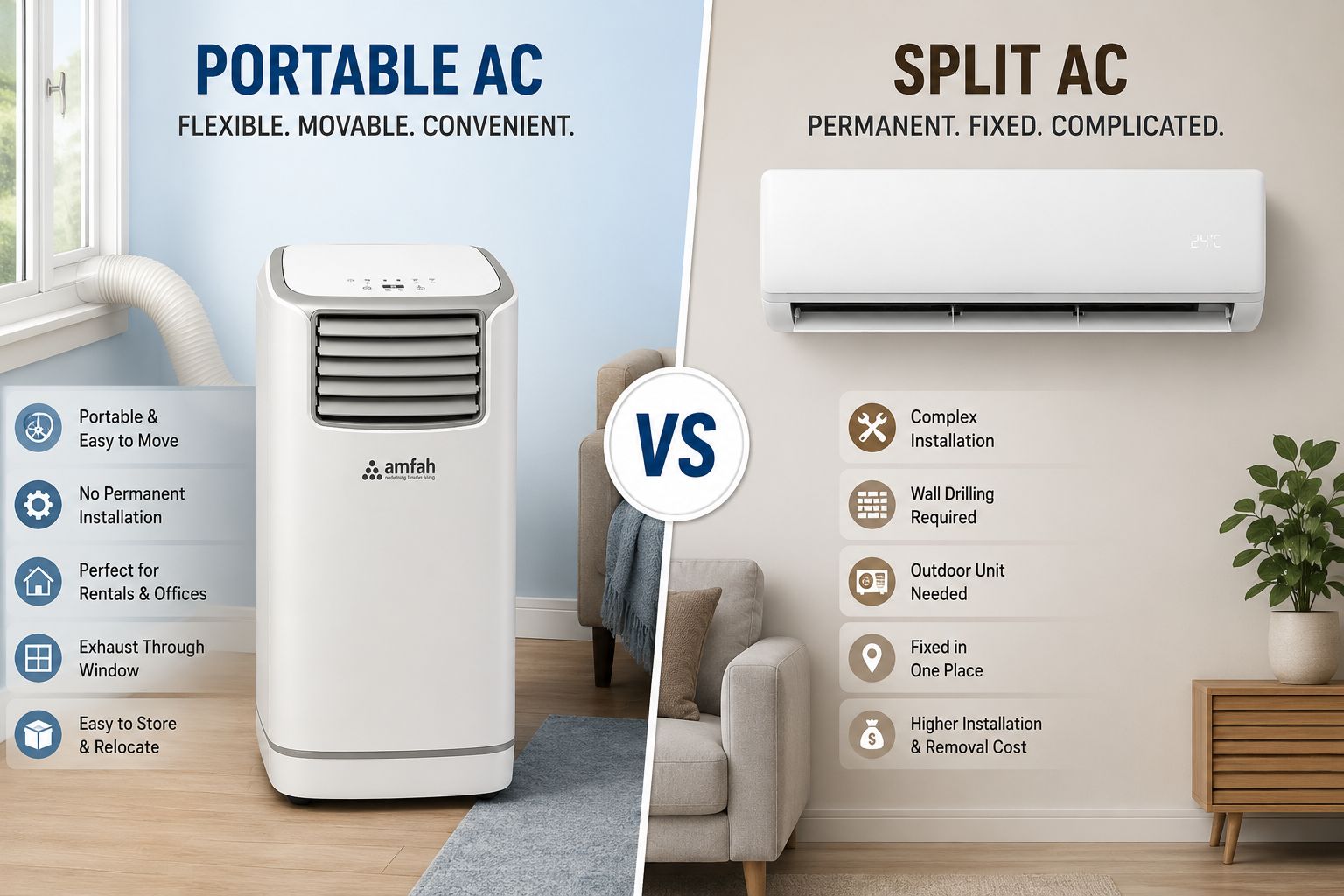
Compare portable AC vs split AC to understand installation, portability, wall damage, cooling, and why portable AC is a practical choice for homes, offices, and rental spaces.
Our Senior indoor air consultants are online to draft complete thermodynamic calculations for industrial cleanrooms, warehouses, data grids, or residential spaces.