We have seen high humidity make our indoor spaces feel uncomfortable. The problem is not just a warm feeling. High humidity brings a lot of moisture into the air that can cause mold growth, bad smells, condensation, damp walls, and damage to furniture, electronics, and other belongings.
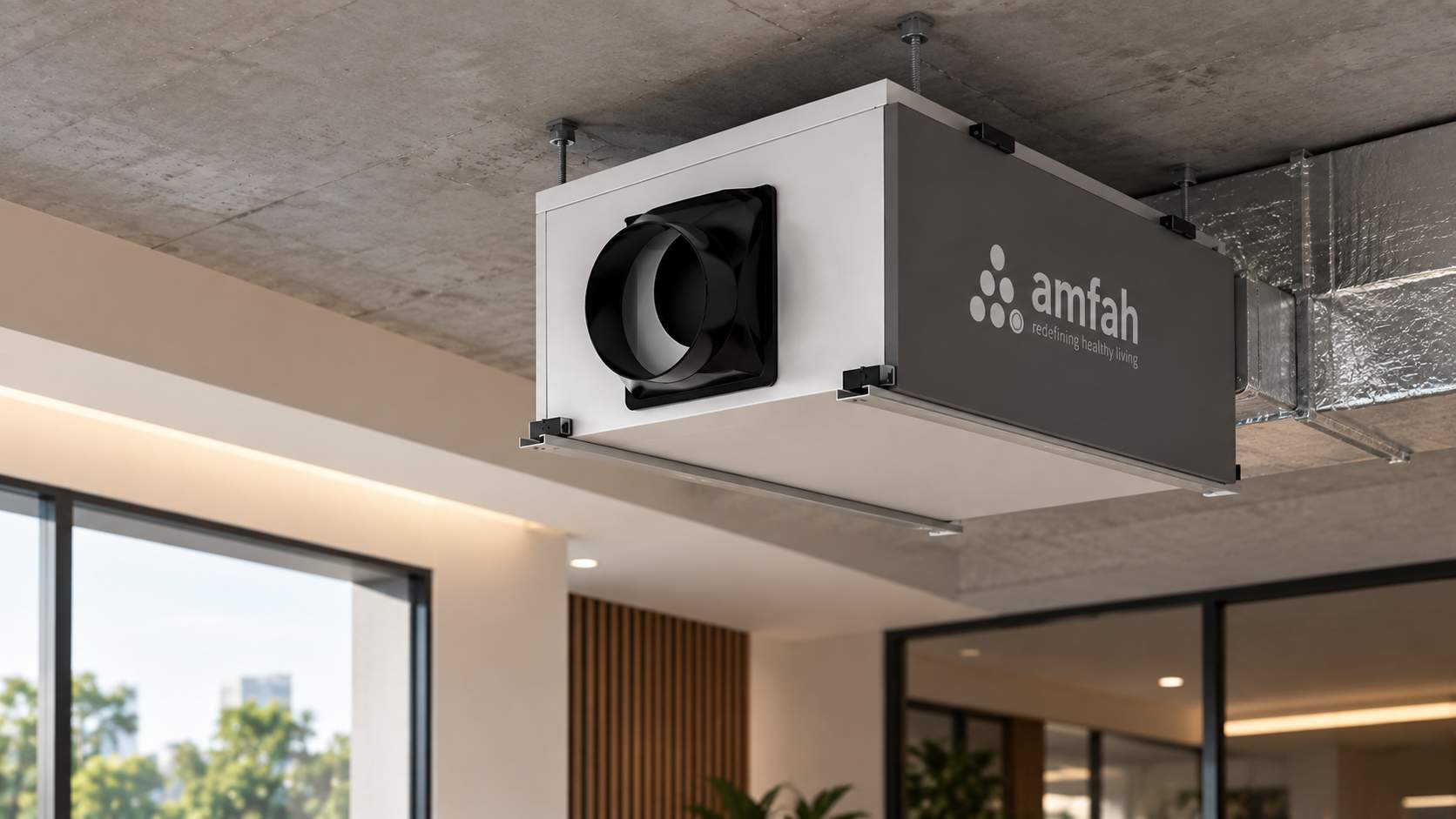
For our homes, offices, commercial areas, industrial areas, and other areas where maintaining a comfortable environment is most important for us, a ceiling dehumidifier can be an effective solution for these places. Ceiling dehumidifiers not only maintain the humidity level but also save floor space because they are mounted overhead.
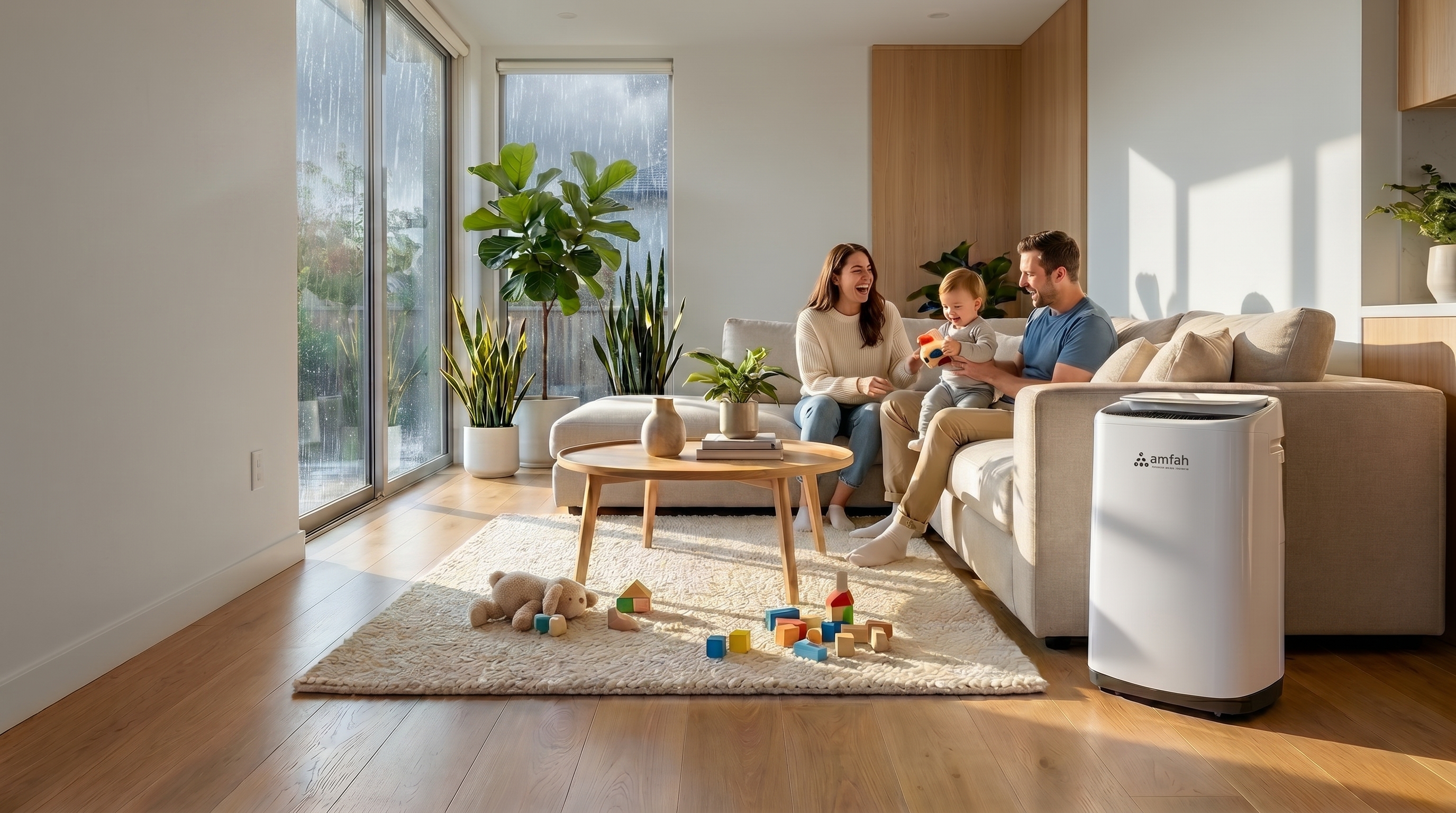
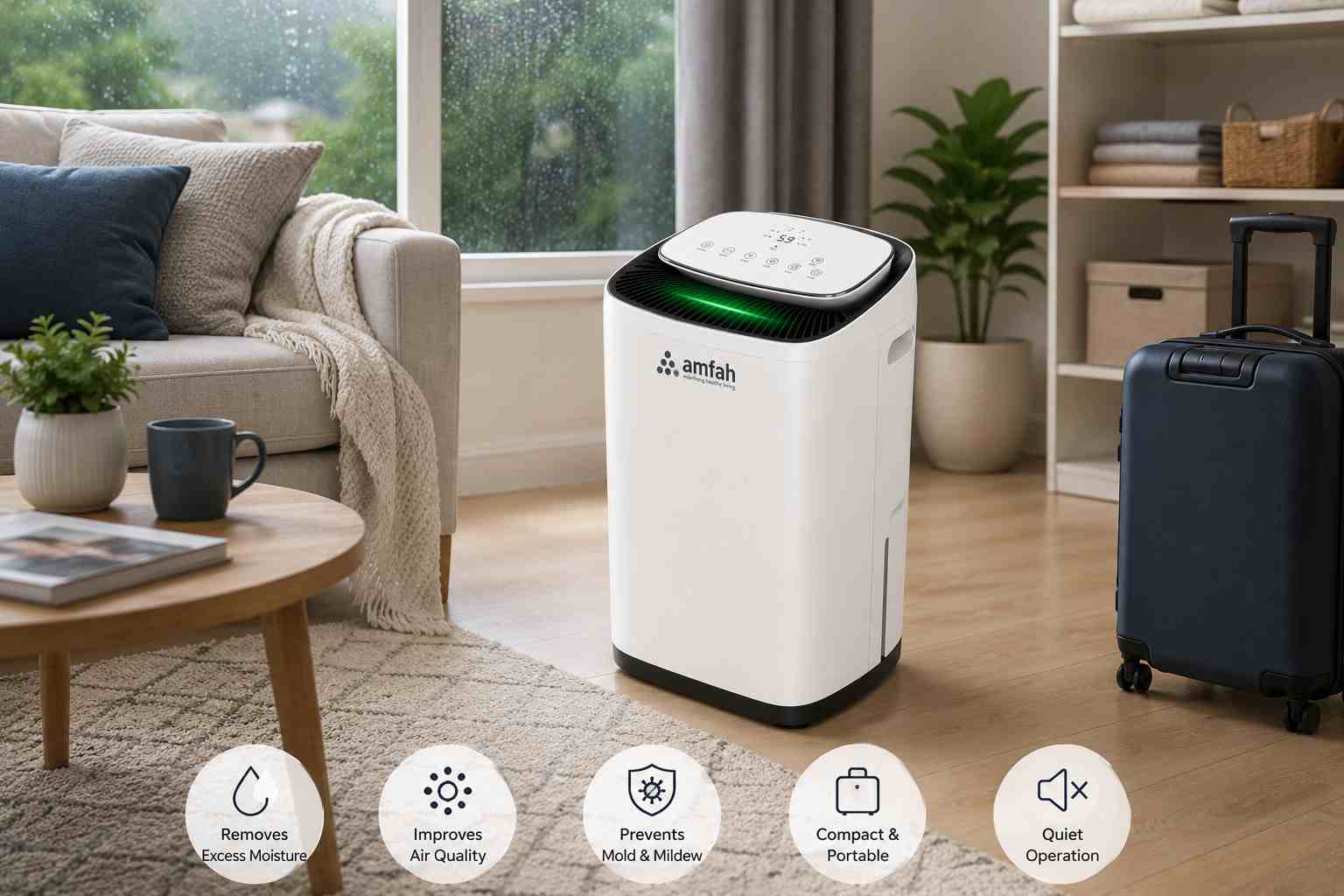
Unlike portable dehumidifiers that take up space on the floor, systems that are mounted on the ceiling are placed above the room. These systems can offer control over humidity levels while making sure the space on the floor is completely open and not blocked.
What Is a Ceiling Dehumidifier?
A ceiling dehumidifier is a humidity-control system that works to take extra moisture from the air inside a building. It is placed on the ceiling or above it, which makes it great for areas where there is no floor space or where people want it to be hidden from view.
The system takes the humid air from the room, takes out the moisture using a special process, and then sends the drier air back into the space.
Depending on the model and how the unit is installed, ceiling dehumidifiers can be hooked up to a drainage system. This lets the water that the ceiling dehumidifiers collect drain away automatically so you do not have to empty the water tank.
How Does a Ceiling Dehumidifier Work?
The basic working principle is similar to refrigeration-based dehumidifiers, and this is easy to understand:
1. Humid Air Is Drawn In
The first step is that a fan pulls moisture-filled air from the room into the dehumidifier.
2. Moisture Is Condensed
The air passes over a cold evaporator coil. When warm, humid air comes into contact with the cold surface, water vapor condenses into liquid water.
3. Water Is Collected and Drained
The condensed moisture is collected inside the dehumidifier and can typically be directed toward a suitable drainage outlet, which is very convenient.
4. Drier Air Is Returned
The moisture-reduced air is then released back into the room, helping maintain a comfortable indoor humidity level, and the dehumidifier keeps the air balanced.
The process continues automatically according to the humidity setting selected on the dehumidifier.
Why Choose a Ceiling Dehumidifier?
The biggest advantage of a ceiling-mounted dehumidifier is that it provides humidity control without taking up floor space. Here are some key benefits:
Save Space After Installation
Portable dehumidifiers require floor space and can sometimes interfere with movement or interior layouts. A ceiling-mounted dehumidifier keeps the floor area clear. This can be especially useful in offices, retail shops, hotels, restaurants, basements, storage areas, and other commercial and industrial spaces.
Better Use of Available Space
Ceiling installation can provide a cleaner, more integrated look compared with putting equipment on the floor. For spaces where aesthetics are important, a dehumidifier can be placed discreetly as part of the ceiling design.
Helps Control Excess Moisture
Keeping humidity at a proper level can help reduce problems linked to excess moisture, such as condensation, musty smells, and dampness.
Can Help Protect Interiors
High humidity can damage furniture, documents, equipment, electronics, fabrics, and other materials that need to stay dry. A chosen dehumidifier can help create a more stable indoor environment.
Automatic Operation
Many modern dehumidifiers include sensors for humidity and automatic controls. When the desired humidity level is set, the dehumidifier can regulate its operation based on the conditions inside the room.
Where Can Ceiling Dehumidifiers Be Used?
Ceiling dehumidifiers can be considered for a wide range of residential and commercial applications:
- Homes
- Offices
- Hotels
- Restaurants and Commercial Kitchens
- Basements
- Storage Rooms and Warehouses
- Gyms and Fitness Centers
Ceiling Dehumidifier vs Portable Dehumidifier
Both systems can remove moisture from indoor air, but their installation and use cases are different:
| Feature |
Ceiling Dehumidifier |
Portable Dehumidifier |
| Installation |
Ceiling-mounted |
Floor-standing |
| Floor Space |
Minimal or none |
Required |
| Appearance |
More integrated |
Visible appliance |
| Drainage |
Can be connected to drainage |
Usually tank or drain hose |
| Mobility |
Generally fixed |
Easy to move |
| Suitable For |
Permanent installations |
Smaller or temporary applications |
| Maintenance Access |
Requires planned access |
Usually easy to access |
The right option depends on the room size, humidity level, available space, installation requirements, and expected usage.
How to Choose the Right Ceiling Dehumidifier
Picking a dehumidifier by looking at room size alone might not be enough. There are several factors you should consider before installation:
Room Size
Start by measuring the area and volume of the space where you want humidity control. This helps you know how much air needs to be treated. Bigger rooms usually need dehumidifiers that can remove more moisture, so size matters when it comes to performance.
Humidity Level
Think about how wet the air is. A room that has occasional dampness may not need as powerful a unit as a space where moisture problems happen all the time, especially if you live in a humid climate or have recurring condensation and continuous moisture generation.
Dehumidification Capacity
Manufacturers often list dehumidification capacity using terms like litres per day. The right capacity needs to be picked based on the amount of moisture in the space, rather than just picking the biggest unit available.
Noise Level
In places like bedrooms, offices, hotels, and other areas where people are present, the noise the unit makes while running should be considered when choosing the product.
Installation and Maintenance Access
Even if the unit is placed above the ceiling, things like filters, coils, electrical parts, and drainage connections still need to be checked and maintained regularly. Adequate space for service should be planned when installing the unit.
As a general guideline, many indoor environments aim to maintain relative humidity somewhere around 40% to 60%.
Signs You May Need a Dehumidifier
You may want to consider dehumidification if you frequently notice:
- Condensation on windows or walls
- Musty or damp odors
- Persistent dampness
- Mold or mildew growth
- Excess moisture in bathrooms
- Humid or sticky indoor air
- Moisture-related damage to furniture or materials
- Difficulty maintaining comfortable indoor conditions
- High humidity readings from a hygrometer
A humidity meter can give a more accurate reading of indoor relative humidity than just depending on how the room feels. Features like digital humidity control, efficient compressors, and proper fan settings also help manage energy use better.
Ceiling Dehumidifier for Indian Climate
Many parts of India have periods of very high humidity, especially during the monsoon season. Coastal areas and dense cities can experience long humid stretches, and a dehumidifier can help significantly.
In such environments, controlling indoor humidity is important to maintain comfort and protect interiors. However, the right dehumidifier solution depends on the building, the size of the room, ventilation levels, temperature, moisture sources, and environmental conditions.
For larger spaces, a professional assessment is recommended before choosing a dehumidifier.
Conclusion
When selecting a dehumidifier, think about room size, moisture load, drainage handling, installation, and routine cleaning. AMFAH ceiling dehumidifiers are built to save space and deliver reliable performance over time, keeping indoor air dry and comfortable.