Buying GuidesAugust 29, 20267 min read
What Size Dehumidifier Do I Need?
Find out what size dehumidifier you need for your room based on room size, humidity levels, moisture sources, and usage. A simple guide for Indian homes and offices.
 |The Most Preferred Brand on the Government e-Marketplace (GeM) Portal
 |The Most Preferred Brand on the Government e-Marketplace (GeM) Portal.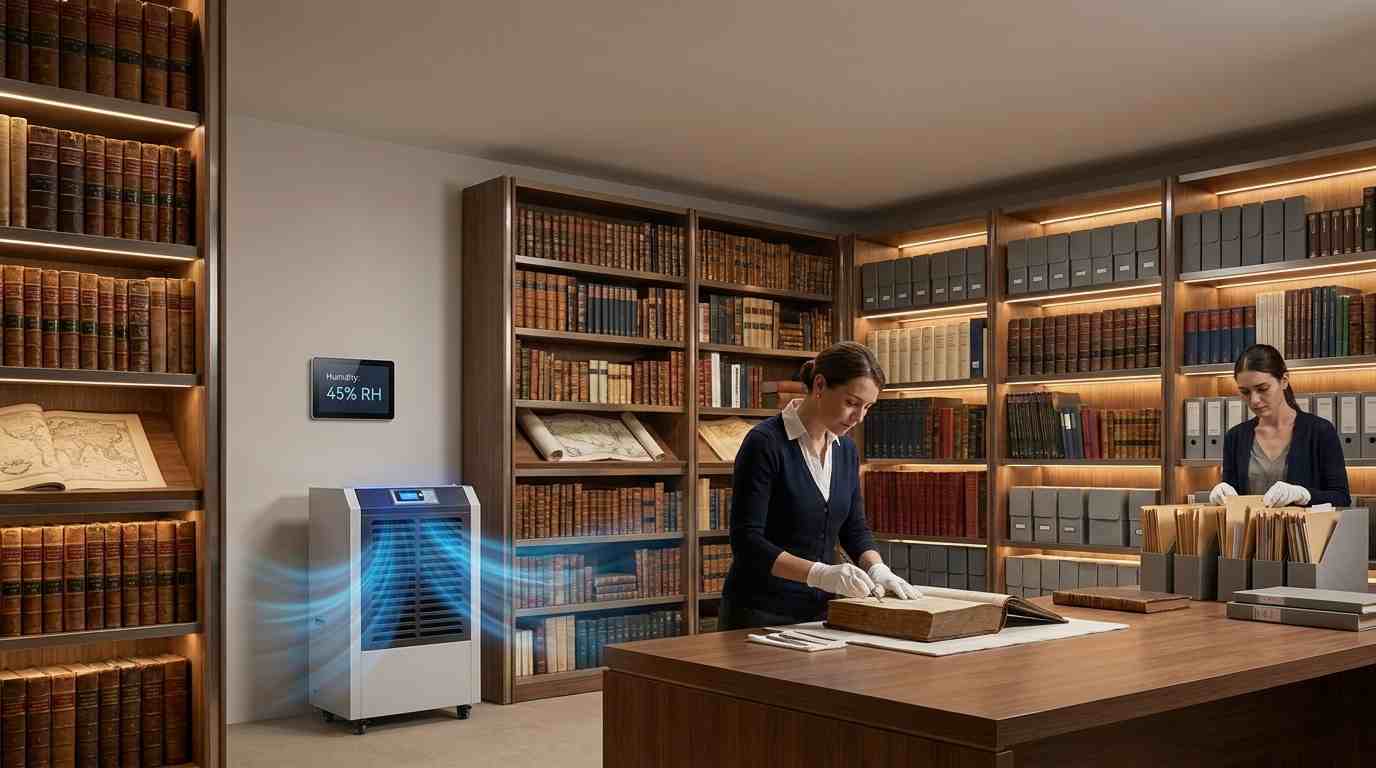
Learn how commercial dehumidifiers protect books, important documents, and paper archives from moisture, mold, pests, and long-term damage by maintaining the right humidity levels.
Books and paper documents are more than just sheets of paper. They preserve history, knowledge, business records, legal files, certificates, photographs, and valuable memories. Whether it's a library, government office, museum, school, bank, or company record room, protecting these documents is important.
Many people think water leaks or fire are the biggest risks to paper records. But one of the most common problems is something we can't always see humidity.
Too much moisture in the air can slowly damage books and documents. It can cause mold, attract pests, create bad odors, and weaken paper over time. That's why many libraries, archives, and record rooms use commercial dehumidifiers to keep the air dry and protect their collections.
Paper naturally absorbs moisture from the air. When humidity stays high for days or weeks, books and documents begin to absorb that moisture.
At first, you may not notice any changes. But over time, pages can become wavy, book covers may bend, and paper becomes weaker. If the humidity remains high, mold and insects can also become a serious problem. Preservation experts recommend keeping humidity stable because high humidity encourages mold growth and paper damage.
Mold grows easily in warm and damp places. Once it starts growing on books or documents, it can spread quickly to nearby shelves and storage boxes.
Besides damaging valuable records, mold can also affect indoor air quality and create an unpleasant environment.
When paper absorbs moisture, pages may curl, wrinkle, or stick together. Hard covers can also lose their shape, making books difficult to use and preserve.
Important files, certificates, maps, and handwritten documents can be affected by excess moisture.
Over time, ink may fade, blur, or spread, making important information difficult to read.
Humidity creates a suitable environment for insects such as silverfish and booklice. These pests feed on paper, glue, and book bindings, causing permanent damage to books and archives. Keeping humidity under control helps reduce pest activity.
If you've ever walked into an old storage room with a damp smell, excess humidity is often the reason.
A musty odor usually means moisture is building up and may be the first sign that mold is starting to grow.
Commercial dehumidifiers remove extra moisture from the air, helping books, files, and paper documents stay dry and in good condition for many years.
Instead of removing mold after it appears, it's much better to stop it from growing in the first place.
Keeping the right humidity level greatly reduces the chance of mold developing on books and paper.
Many insects that damage books prefer damp places.
A dry storage room is far less attractive to pests, helping protect valuable collections naturally.
Books and documents last longer when they are stored in a clean, dry, and stable environment.
A commercial dehumidifier helps maintain consistent humidity throughout the year, even during the rainy season.
Moisture doesn't only affect paper. Wooden shelves, cabinets, cardboard storage boxes, and filing systems can also absorb moisture and develop mold or damage over time.
Keeping the entire room dry helps protect everything inside.
Commercial dehumidifiers are commonly used in:
Any place that stores valuable paper records can benefit from proper humidity control.
AMFAH commercial and industrial dehumidifiers help maintain the right humidity levels in libraries, archives, museums, offices, and document storage rooms.
By removing excess moisture from the air, AMFAH helps protect books, paper records, photographs, certificates, and important files from mold, moisture damage, pests, and unpleasant odors. A stable indoor environment also helps reduce maintenance costs and keeps valuable collections in better condition for years to come.
Protecting books and important documents is not only about storing them on shelves. The environment where they are kept is just as important.
Too much humidity can lead to mold, damaged pages, faded ink, bad odors, and insect problems. These issues can slowly destroy valuable records that may be impossible to replace.
Using a commercial dehumidifier is a simple and effective way to control humidity, protect paper collections, and create a safer storage environment. Whether you manage a library, museum, office, or archive, proper humidity control helps preserve important documents for future generations.
Find out what size dehumidifier you need for your room based on room size, humidity levels, moisture sources, and usage. A simple guide for Indian homes and offices.
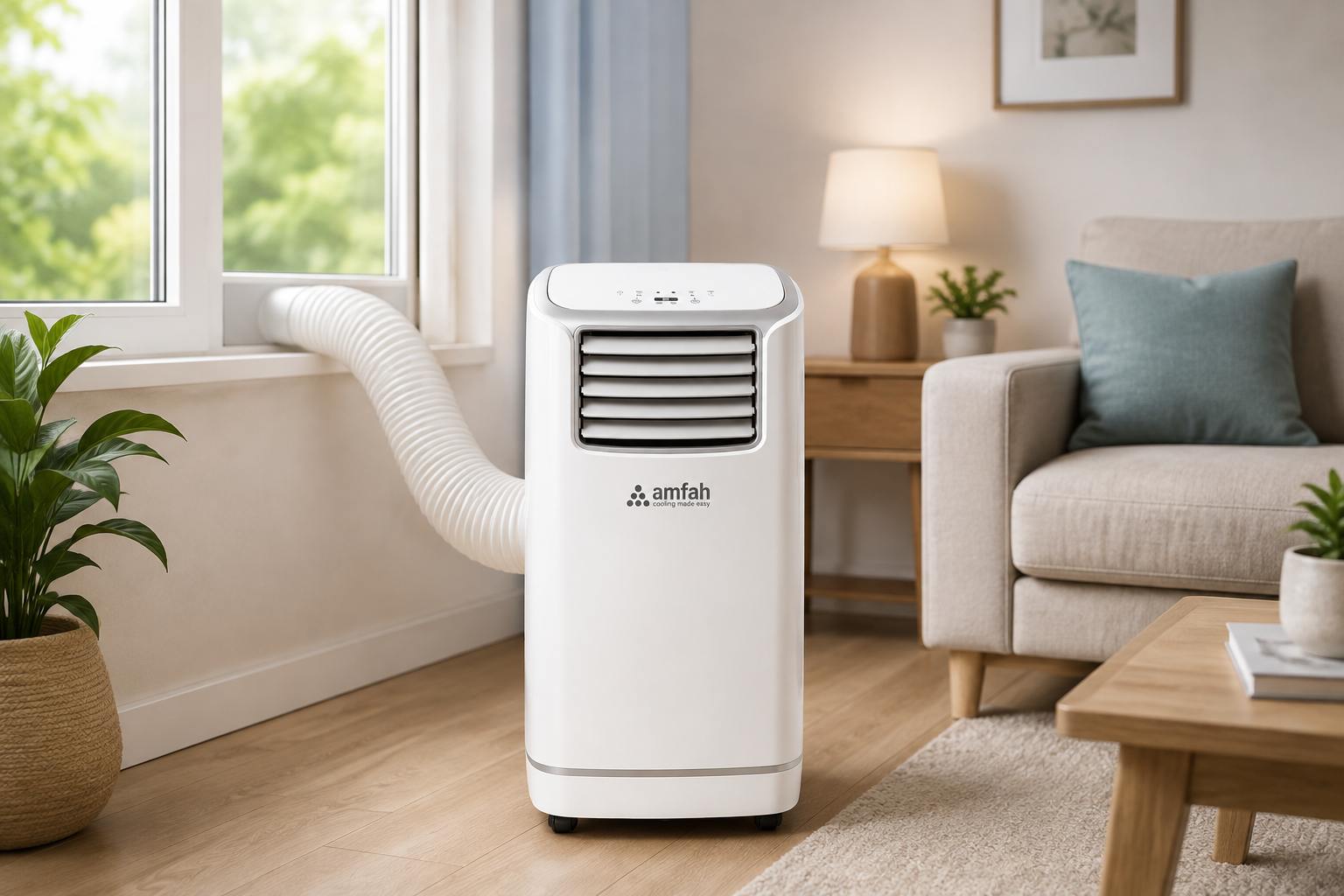
Discover why portable ACs are becoming popular in India and how they offer flexible cooling for homes, rental properties, offices, and commercial spaces.
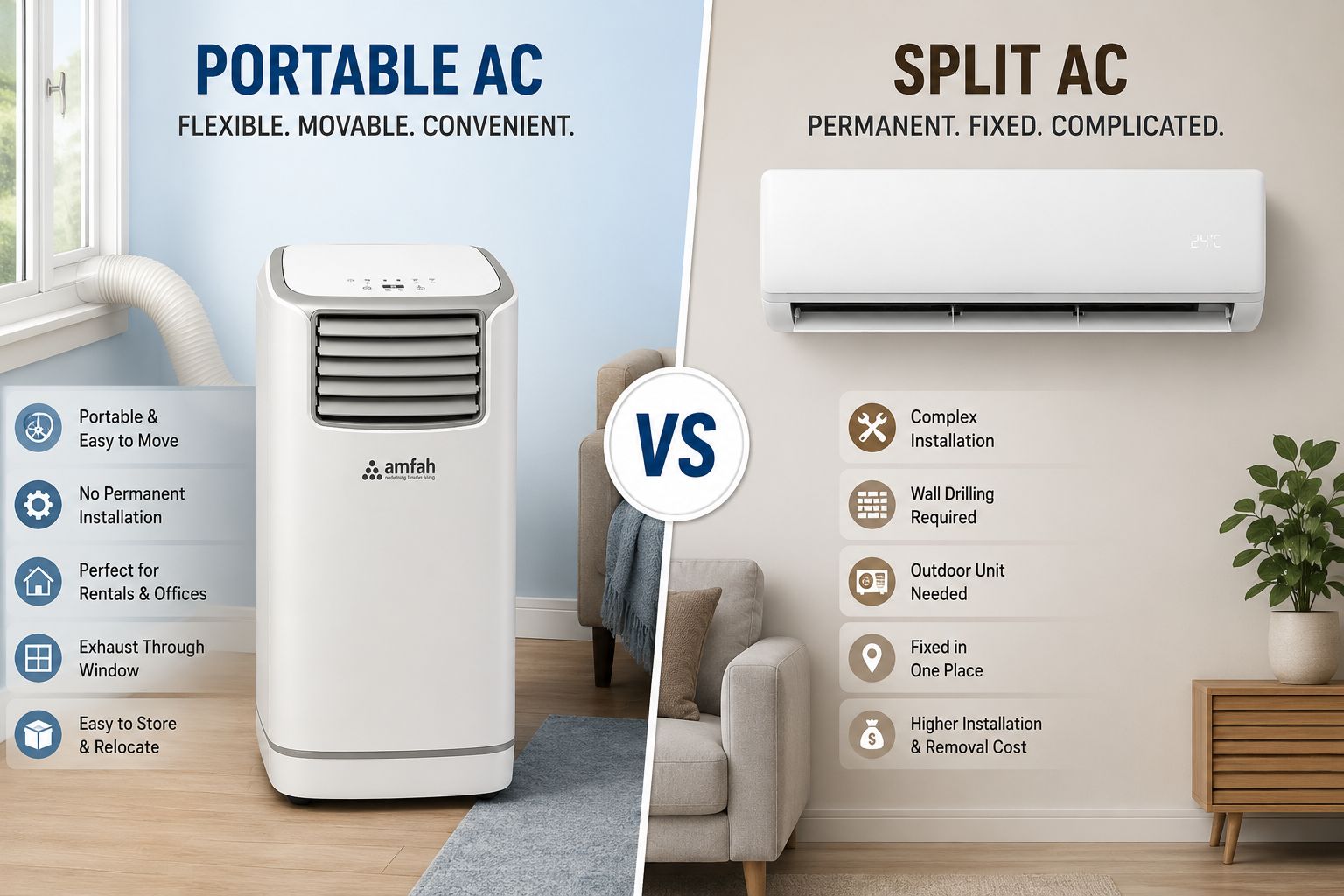
Compare portable AC vs split AC to understand installation, portability, wall damage, cooling, and why portable AC is a practical choice for homes, offices, and rental spaces.
Our Senior indoor air consultants are online to draft complete thermodynamic calculations for industrial cleanrooms, warehouses, data grids, or residential spaces.