
Buying GuidesAugust 29, 20267 min read
What Size Dehumidifier Do I Need?
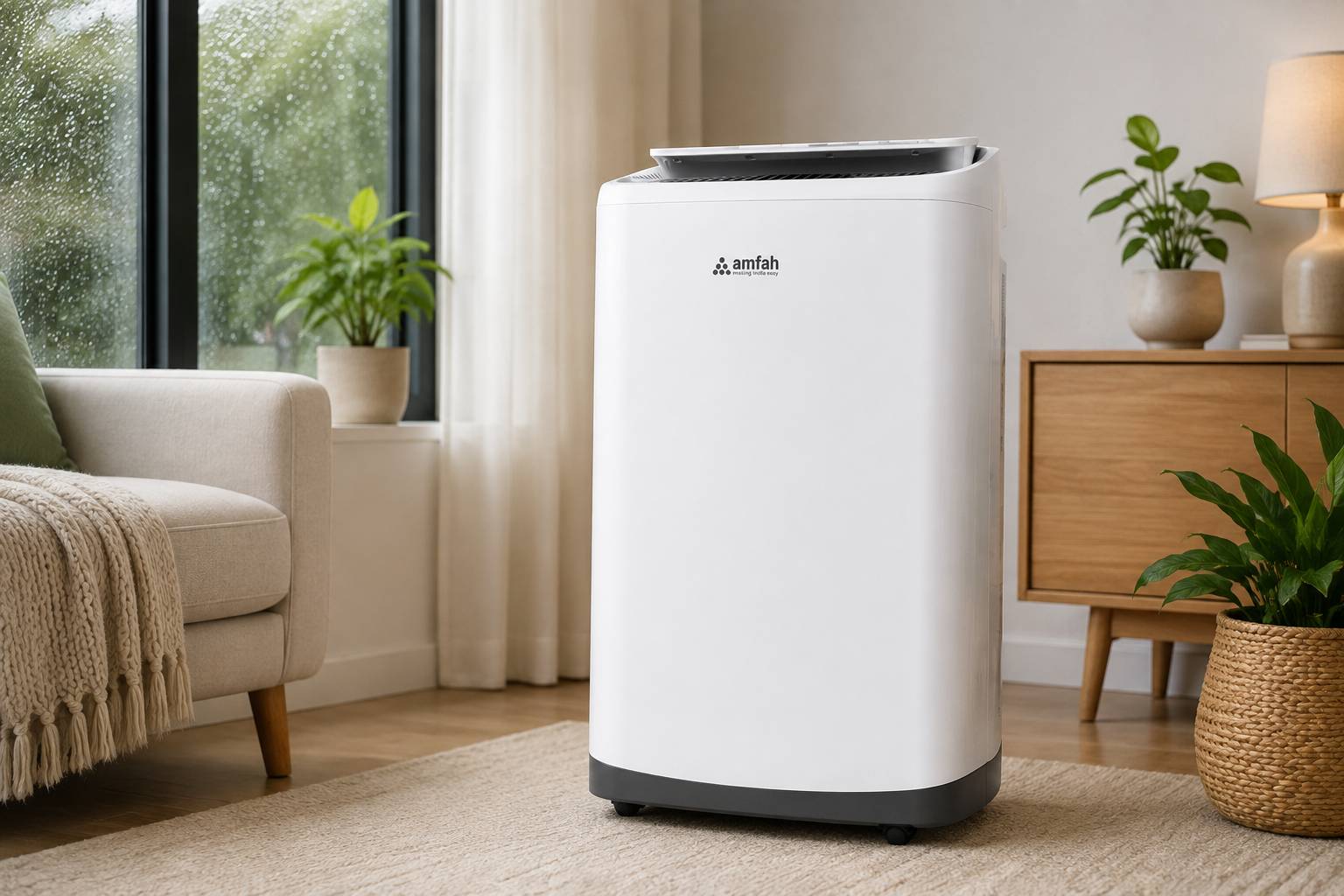
Find out what size dehumidifier you need for your room based on room size, humidity levels, moisture sources, and usage. A simple guide for Indian homes and offices.
 |The Most Preferred Brand on the Government e-Marketplace (GeM) Portal
 |The Most Preferred Brand on the Government e-Marketplace (GeM) Portal.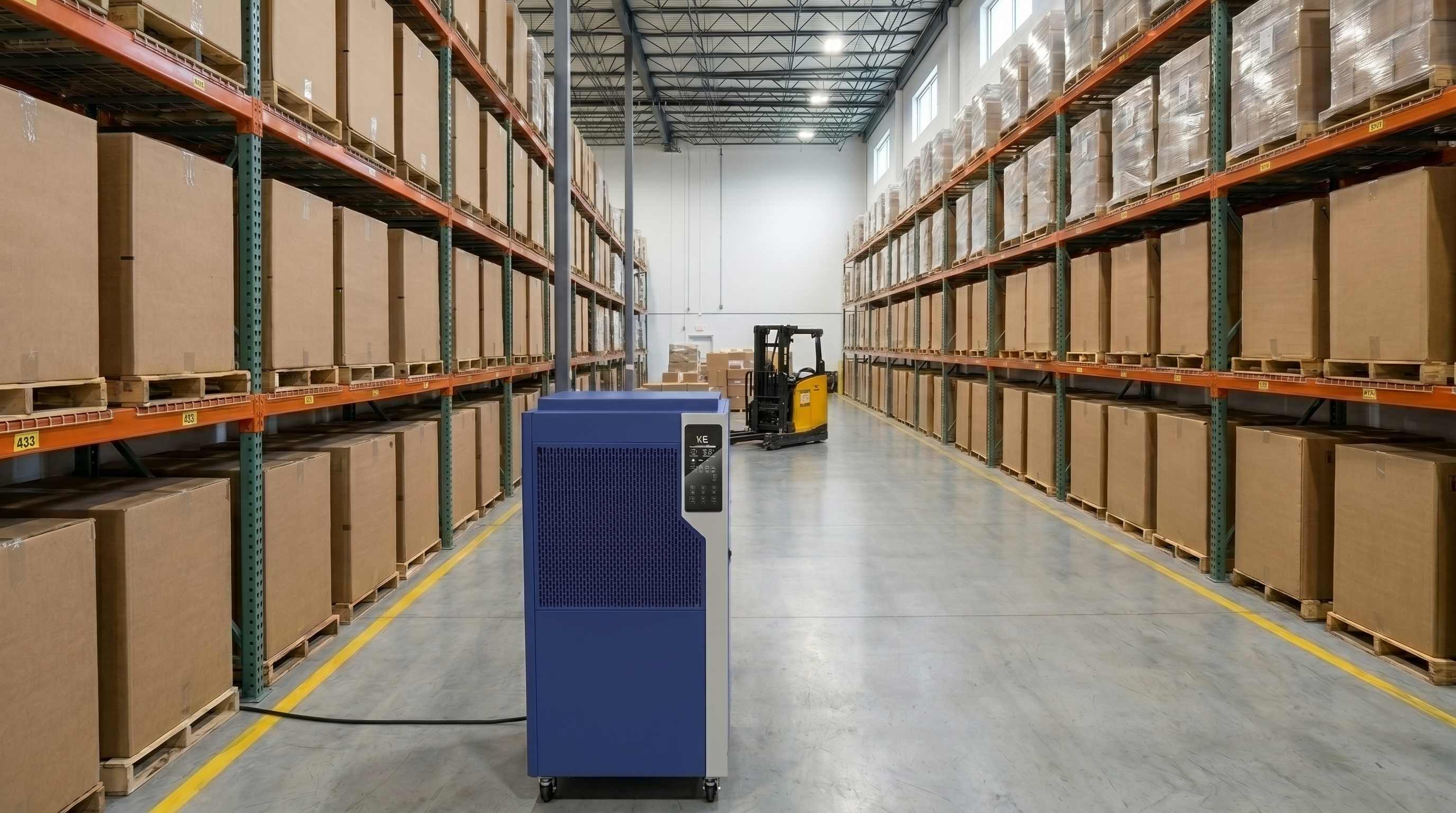
Learn how active dehumidification prevents moisture damage, protects packaging materials, and helps warehouses maintain product quality throughout storage and distribution.
Packaging is often the first line of defense between a product and its environment. However, in warehouses with poor humidity control, packaging materials can quickly deteriorate, leading to damaged goods, customer complaints, and significant financial losses.
Many warehouse operators focus on inventory management and logistics efficiency while overlooking one critical factor: moisture in the air. Excess humidity can weaken cartons, damage labels, affect adhesives, and compromise packaging integrity. Active dehumidification helps maintain optimal humidity levels and protects both packaging materials and stored products.
Most packaging materials, including corrugated boxes, paper labels, cardboard containers, and certain plastic films, are sensitive to moisture. When humidity levels rise, these materials absorb water from the air, causing them to lose strength and durability. Over time, this can result in sagging cartons, peeling labels, weakened seals, and packaging failures during storage or transportation.
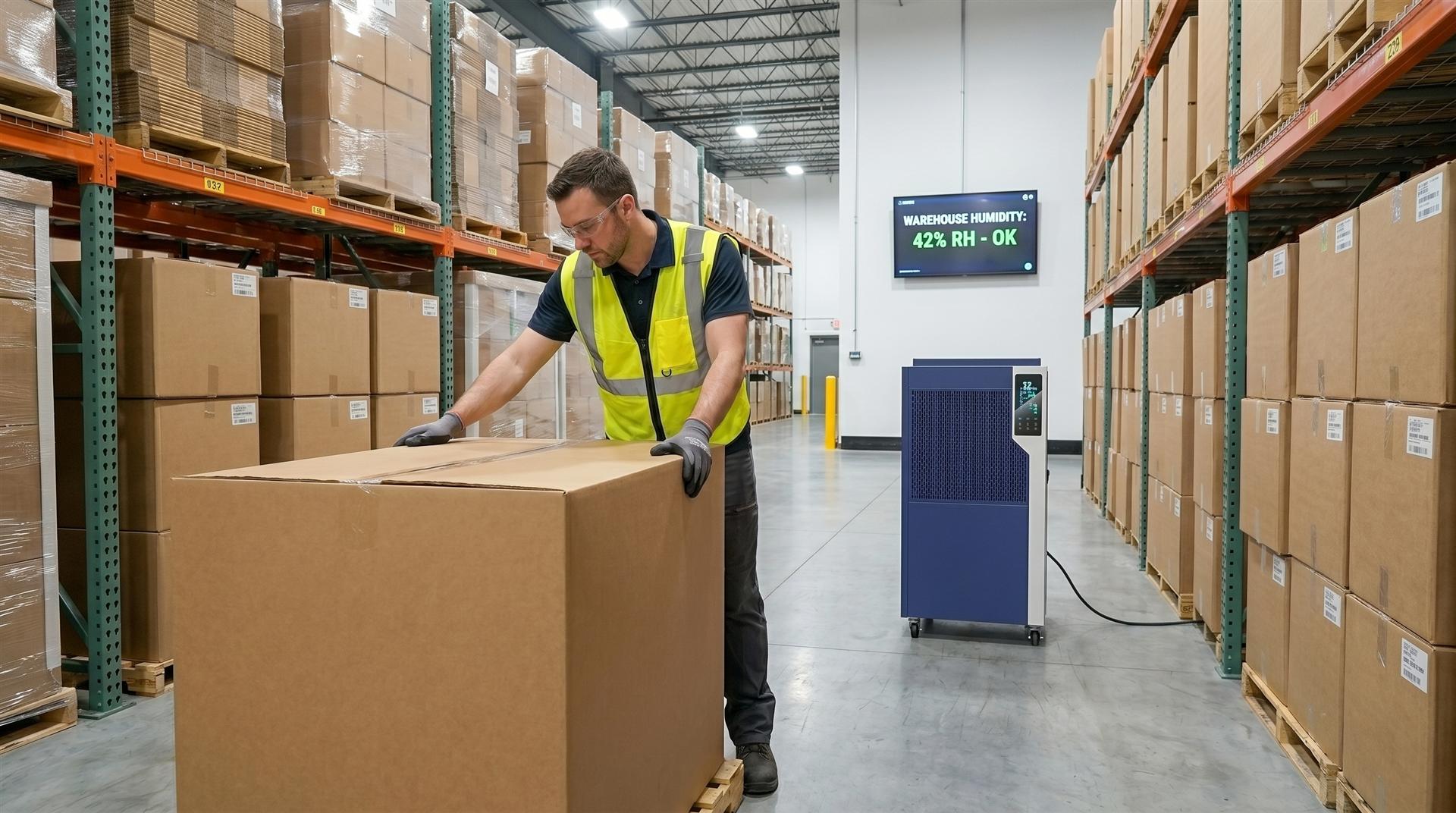
Corrugated cartons can absorb moisture and lose their structural strength when exposed to humid conditions. This increases the risk of collapsed stacks, damaged inventory, and handling issues throughout the supply chain.
Humidity can cause labels to peel, wrinkle, or become unreadable. Damaged barcodes can disrupt inventory tracking, shipping operations, and warehouse management systems.
Packaging adhesives are highly sensitive to moisture. Excess humidity can weaken adhesive bonds, causing boxes, cartons, and labels to separate during storage and transportation.
When packaging fails, products become more vulnerable to contamination, moisture exposure, and physical damage. This often results in customer complaints, product returns, and unnecessary replacement costs.
Unlike passive moisture control methods, active dehumidification continuously removes excess moisture from the air and maintains stable humidity levels. This creates a controlled storage environment that protects packaging materials regardless of seasonal weather changes or external humidity conditions.
Warehouses storing pharmaceuticals, electronics, food products, consumer goods, paper products, and industrial materials can particularly benefit from active humidity control systems.
Implementing active dehumidification offers several advantages for warehouse operators. It helps preserve packaging strength, reduces product damage, improves inventory protection, minimizes waste, and supports overall operational efficiency.
In addition, controlled humidity helps prevent mold growth, condensation, corrosion, and other moisture-related issues that can affect both products and warehouse infrastructure.
At AMFAH India, we provide advanced dehumidification solutions designed for warehouses, distribution centers, and storage facilities. Our systems actively control humidity levels, helping businesses protect packaging materials, maintain product quality, and reduce costly losses caused by moisture damage.
With customized humidity control solutions and industry expertise, AMFAH helps warehouse operators create reliable storage environments that support long-term inventory protection and operational excellence.
Packaging failure is often an invisible cost that can significantly impact warehouse operations and customer satisfaction. By implementing active dehumidification, businesses can prevent moisture-related packaging damage, improve product protection, and ensure goods reach customers in optimal condition.
Investing in effective humidity control is not just about protecting packaging—it's about safeguarding inventory, reducing losses, and maintaining a more efficient warehouse operation.
Find out what size dehumidifier you need for your room based on room size, humidity levels, moisture sources, and usage. A simple guide for Indian homes and offices.
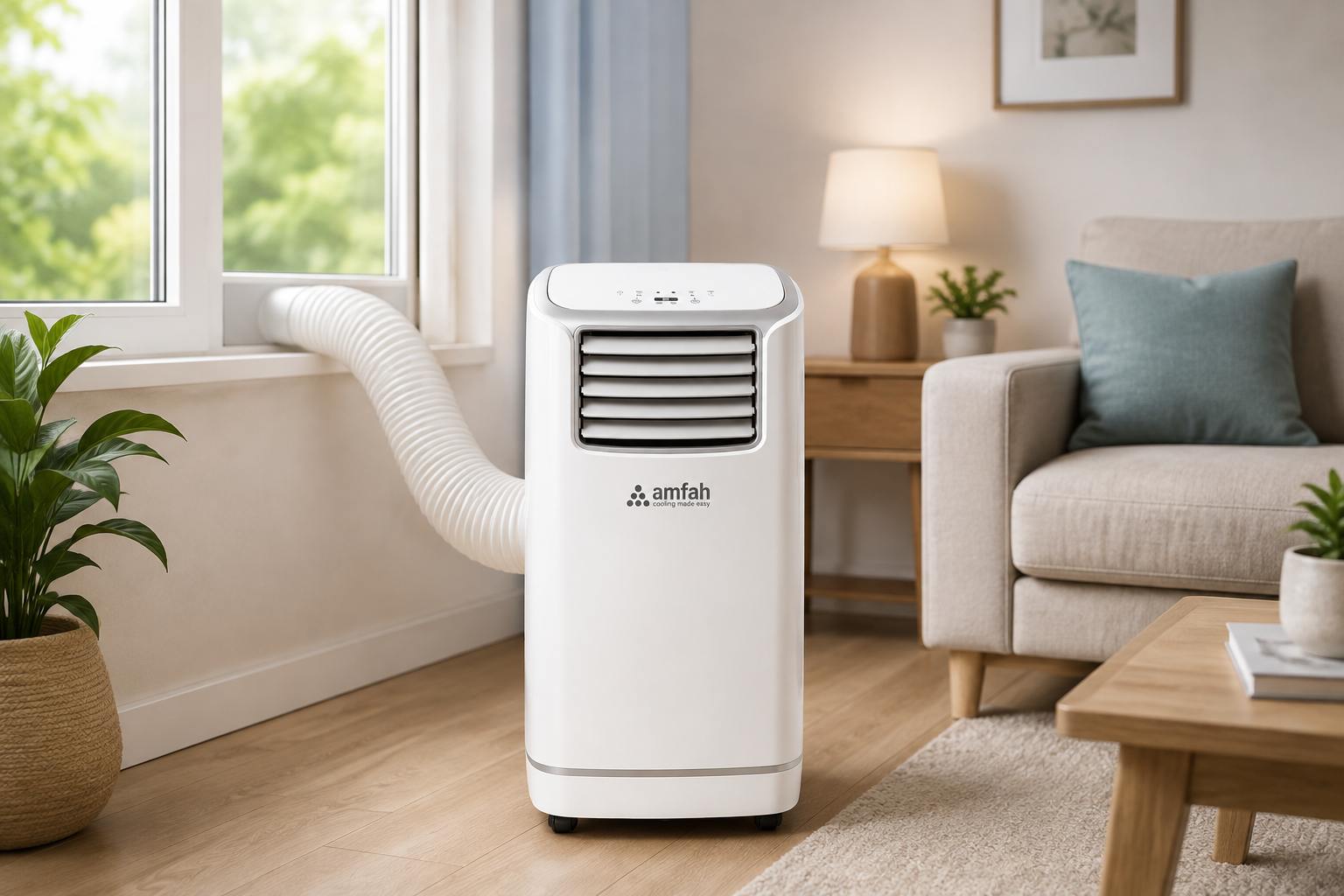
Discover why portable ACs are becoming popular in India and how they offer flexible cooling for homes, rental properties, offices, and commercial spaces.
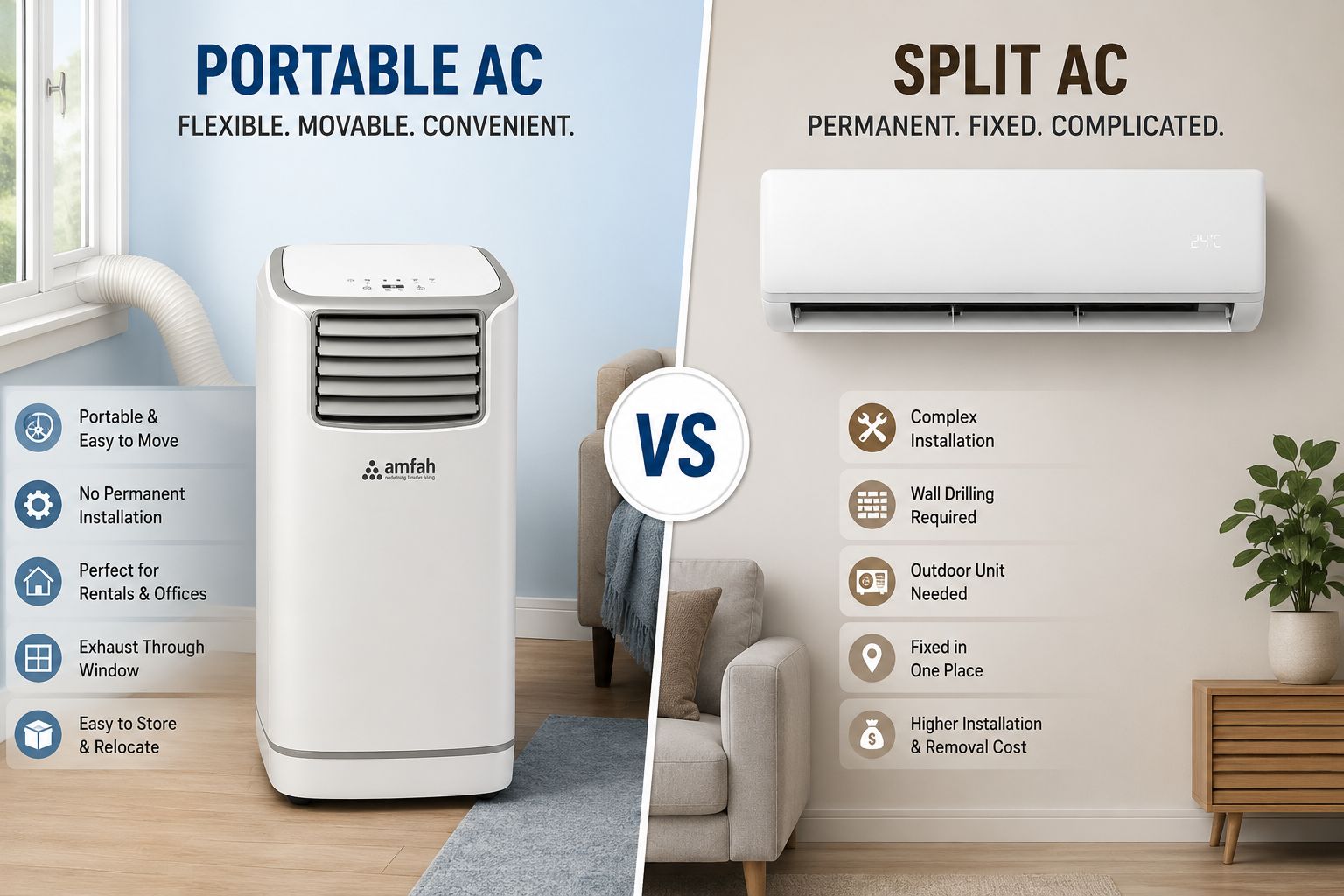
Compare portable AC vs split AC to understand installation, portability, wall damage, cooling, and why portable AC is a practical choice for homes, offices, and rental spaces.
Our Senior indoor air consultants are online to draft complete thermodynamic calculations for industrial cleanrooms, warehouses, data grids, or residential spaces.