
Buying GuidesAugust 29, 20267 min read
What Size Dehumidifier Do I Need?
Find out what size dehumidifier you need for your room based on room size, humidity levels, moisture sources, and usage. A simple guide for Indian homes and offices.
 |The Most Preferred Brand on the Government e-Marketplace (GeM) Portal
 |The Most Preferred Brand on the Government e-Marketplace (GeM) Portal.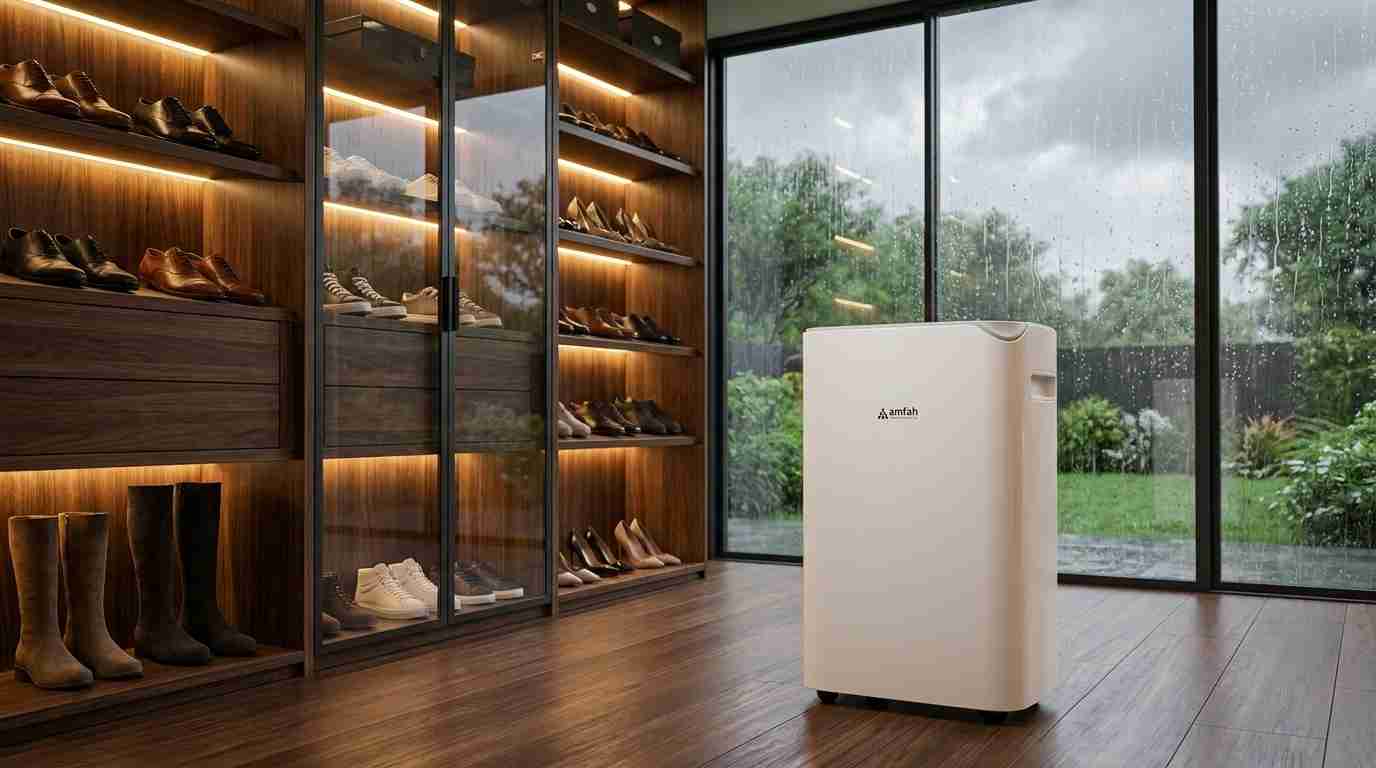
Learn how to prevent moisture damage in shoe storage. Discover simple tips to protect leather shoes, sneakers, boots, and luxury footwear from humidity, mold, and bad odors.
Most people think shoes only get damaged after years of wearing them. But many shoes start losing their quality while sitting inside a shoe rack or wardrobe. If there is too much humidity in your home, moisture can slowly affect your footwear without you noticing. One day you open the shoe cabinet and find an unpleasant smell, white fungus, or leather that doesn't look the way it used to. The damage didn't happen overnight. It happened little by little.
Shoe cabinets are usually closed for most of the day.
When fresh air cannot circulate, humidity stays trapped inside.
This problem becomes more common during the monsoon or in cities with naturally high humidity.
Moisture can also build up if:
According to the U.S. Environmental Protection Agency (EPA), controlling indoor moisture is one of the most effective ways to prevent mold growth. Moisture that remains trapped indoors creates conditions where mold can develop over time.
Humidity doesn't always leave obvious signs at first.
Instead, you may notice small changes that slowly become bigger problems.
Some common signs include:
If you ignore these signs, cleaning the shoes later may not completely restore them.
Leather is a natural material.
It can absorb moisture from humid air if stored in poor conditions for a long time.
This may cause:
Luxury leather shoes are an investment, and proper storage helps them last much longer.
Many people believe only leather shoes are affected by humidity.
That's not true.
Sports shoes, canvas shoes, and everyday sneakers can also develop unpleasant odors when moisture remains trapped inside them.
If shoes are stored before they are fully dry after washing or heavy use, bacteria and mold are more likely to grow.
Taking care of your footwear doesn't have to be difficult.
A few simple habits can help keep shoes in good condition.
If your shoes get wet in the rain, let them dry naturally before putting them back into the cabinet.
Storing wet shoes is one of the biggest reasons moisture builds up.
Dust and dirt can hold moisture.
Wiping your shoes before storing them helps keep both the shoes and the cabinet cleaner.
Avoid packing shoes too closely together.
Proper airflow helps reduce trapped moisture.
Leaving the cabinet open for a few minutes every few days allows fresh air to circulate.
This simple habit helps reduce humidity inside the storage space.
Dust, moisture, and poor ventilation create a better environment for mold.
Regular cleaning helps prevent these problems.
Many people use deodorizer balls, silica gel packets, or moisture absorber boxes.
These products can help reduce odors or absorb a small amount of moisture for a limited time.
However, during the monsoon or in humid regions, they become saturated quickly.
If the room itself remains humid, the shoe cabinet will continue to absorb moisture.
Instead of treating only the shoe cabinet, it is better to control the humidity throughout the room.
The EPA recommends keeping indoor humidity below 60%, with an ideal range between 30% and 50%, to help reduce mold growth and moisture-related problems.
A residential dehumidifier removes excess moisture from the air before it reaches your shoe cabinet, wardrobe, and other storage spaces.
This helps create a cleaner and drier environment for all your footwear.
Humidity control can be especially helpful if you:
Buying quality shoes is an investment.
Looking after them should be part of that investment too.
Simple storage habits, regular cleaning, and balanced indoor humidity can help prevent moisture damage before it starts.
AMFAH residential dehumidifiers help reduce excess indoor moisture, making it easier to protect shoe storage, prevent mold, reduce unpleasant odors, and keep your favourite footwear fresh and ready to wear throughout the year.
Find out what size dehumidifier you need for your room based on room size, humidity levels, moisture sources, and usage. A simple guide for Indian homes and offices.
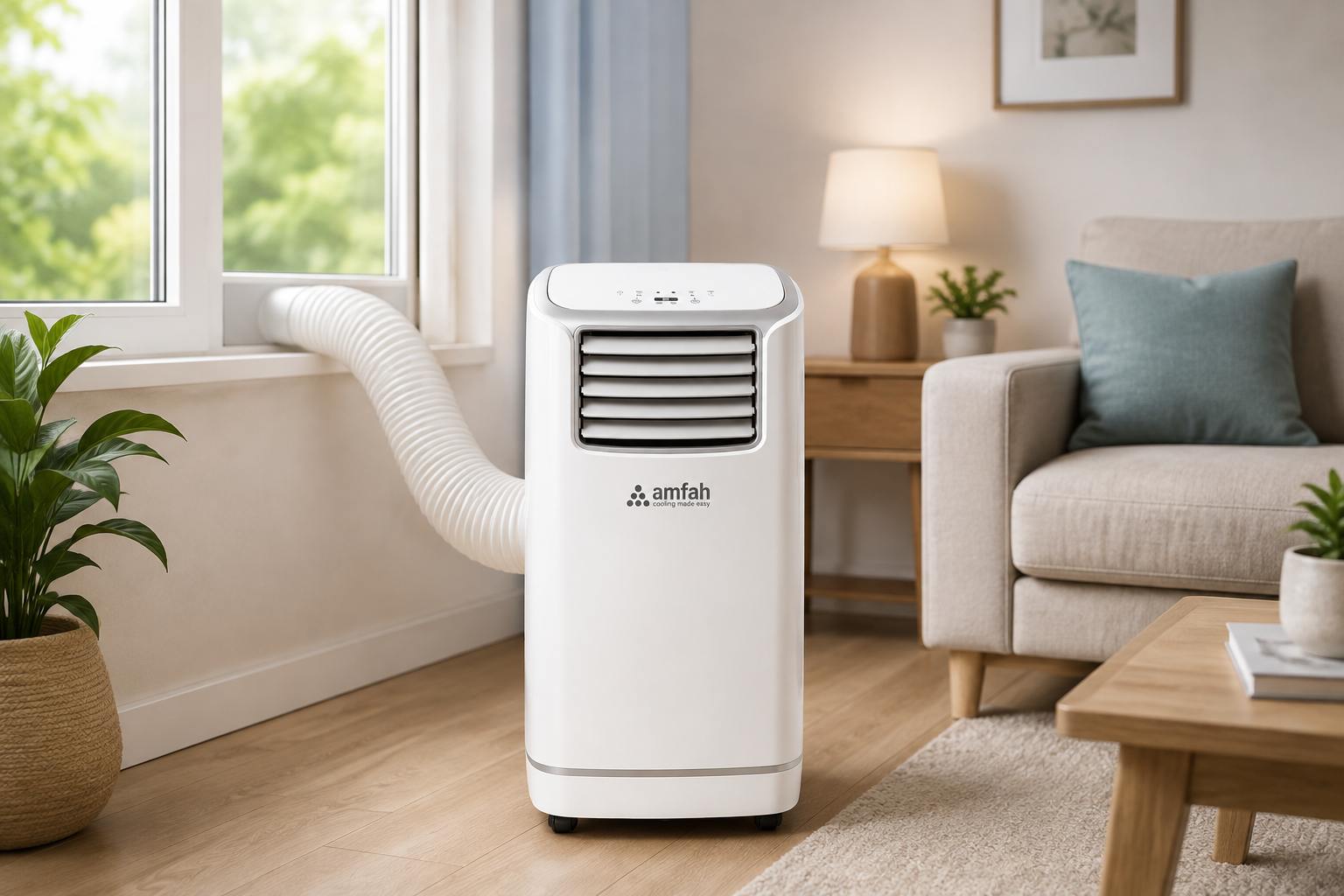
Discover why portable ACs are becoming popular in India and how they offer flexible cooling for homes, rental properties, offices, and commercial spaces.
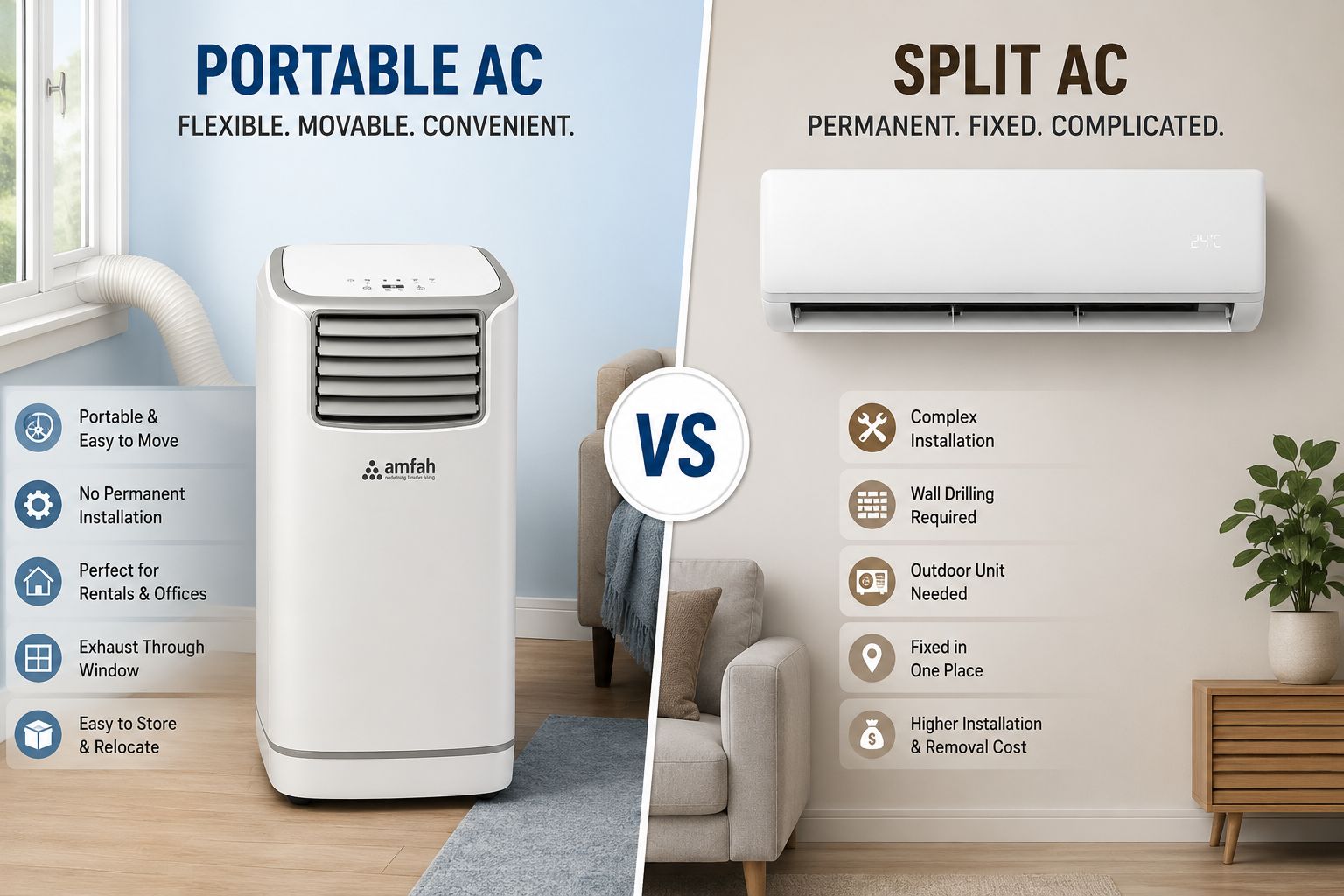
Compare portable AC vs split AC to understand installation, portability, wall damage, cooling, and why portable AC is a practical choice for homes, offices, and rental spaces.
Our Senior indoor air consultants are online to draft complete thermodynamic calculations for industrial cleanrooms, warehouses, data grids, or residential spaces.