
Buying GuidesAugust 29, 20267 min read
What Size Dehumidifier Do I Need?
Find out what size dehumidifier you need for your room based on room size, humidity levels, moisture sources, and usage. A simple guide for Indian homes and offices.
 |The Most Preferred Brand on the Government e-Marketplace (GeM) Portal
 |The Most Preferred Brand on the Government e-Marketplace (GeM) Portal.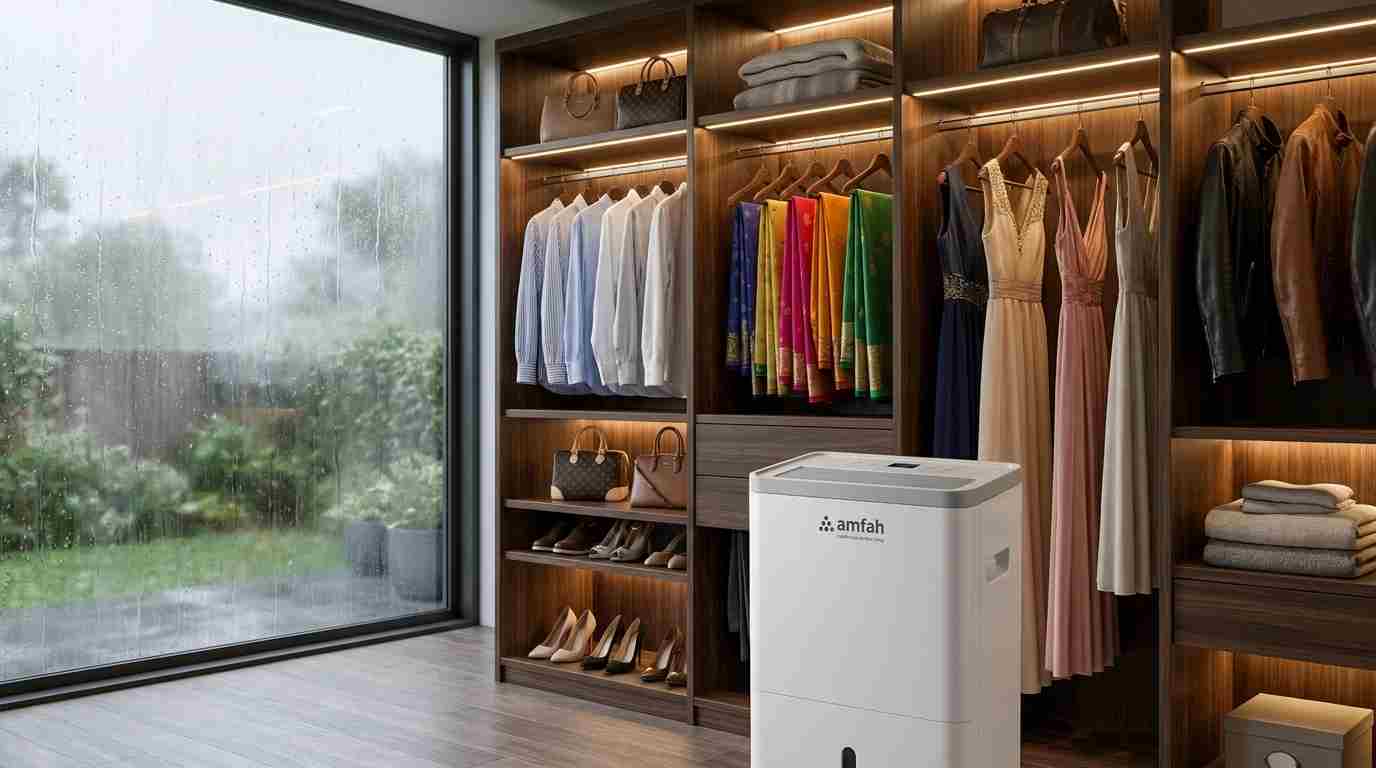
Learn how to protect clothing storage from moisture and mold. Discover simple storage tips to keep clothes, wardrobes, shoes, and accessories fresh, dry, and free from humidity damage.
Most people think their clothes are safest inside a wardrobe. But that's not always true. If there is too much moisture in the air, your wardrobe can slowly become the perfect place for mold and musty smells. Whether it's your everyday clothes, expensive sarees, winter jackets, or designer outfits, humidity can quietly damage them while they are sitting on the shelf. The surprising part is that you may not notice the problem until you open the wardrobe weeks later.
A wardrobe is usually closed most of the time.
When fresh air cannot move in and out, moisture becomes trapped inside.
Humidity becomes even worse if:
Over time, this trapped moisture creates an environment where mold can grow. According to the U.S. Environmental Protection Agency (EPA), controlling moisture is the key to preventing mold growth.
Humidity doesn't always leave obvious signs at first.
It usually starts with small changes.
You may notice:
These problems usually get worse if the humidity is not controlled.
Not every fabric reacts the same way.
Natural materials absorb moisture more easily than synthetic ones.
This includes:
These items often cost more and are usually stored for longer periods, making them more likely to be affected by humidity.
The good news is that protecting your clothes doesn't have to be difficult.
A few simple habits can make a big difference.
This is one of the biggest mistakes people make.
Even clothes that feel "almost dry" still contain moisture.
When stored inside a closed wardrobe, that moisture stays trapped and increases humidity.
Always let clothes dry completely before putting them away.
It is tempting to use every inch of storage space.
But tightly packed clothes block airflow.
Leave a little space between clothes so air can circulate properly.
Fresh air helps reduce trapped moisture.
Simply opening the wardrobe for a few minutes every few days can help improve air circulation.
Raincoats, umbrellas, gym clothes, and damp towels should never be stored near clothing.
These items release moisture into the surrounding air.
Dust and moisture together create better conditions for mold.
Wipe shelves, corners, and drawers regularly to keep the storage area clean.
Many people use silica gel packets or moisture absorber boxes.
These products can help inside small enclosed spaces for a short time.
However, during the monsoon or in naturally humid cities, they quickly become saturated and stop absorbing moisture.
If the room itself stays humid, the problem usually comes back.
Instead of trying to protect only the wardrobe, it is more effective to control the humidity in the entire room.
The EPA recommends keeping indoor humidity below 60%, with an ideal range between 30% and 50% to help reduce mold growth.
A residential dehumidifier removes excess moisture from the air before it settles inside wardrobes, drawers, and storage spaces.
This helps create a better environment for clothes, shoes, handbags, and other valuable belongings.
Many homeowners believe the air conditioner removes all the moisture.
It does remove some humidity while cooling the room, but its main job is to control temperature.
During the monsoon or in humid climates, an air conditioner may not remove enough moisture to keep wardrobes dry. In some situations, a standalone dehumidifier is needed for better humidity control.
Humidity control becomes even more important if you:
Buying quality clothes is an investment.
Taking care of them should be just as important.
Simple storage habits, regular cleaning, and proper humidity control can help keep your wardrobe fresh throughout the year.
AMFAH residential dehumidifiers help reduce excess indoor moisture, making it easier to protect clothing storage, prevent mold, reduce musty odors, and keep your favourite clothes ready to wear whenever you need them.
Find out what size dehumidifier you need for your room based on room size, humidity levels, moisture sources, and usage. A simple guide for Indian homes and offices.
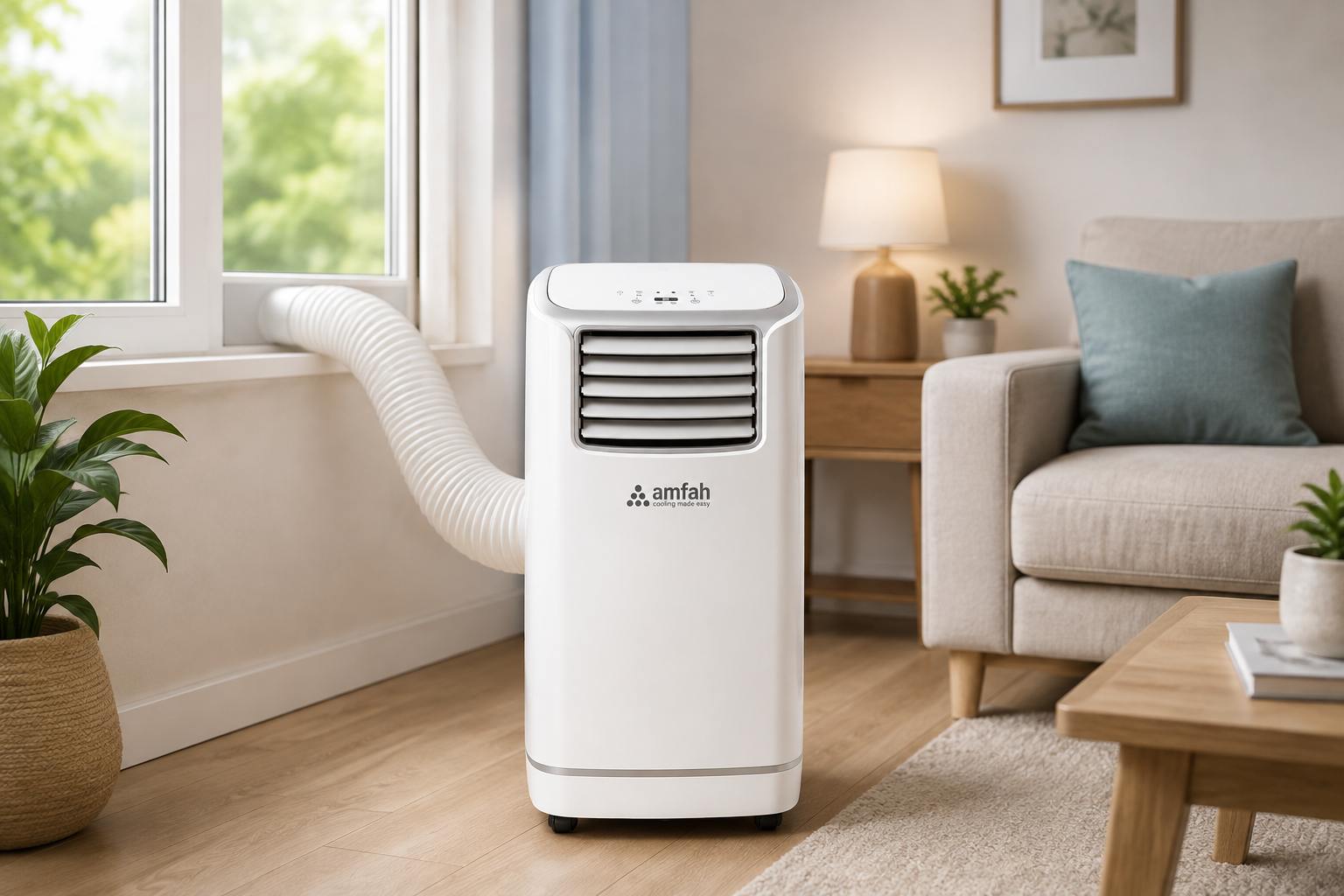
Discover why portable ACs are becoming popular in India and how they offer flexible cooling for homes, rental properties, offices, and commercial spaces.
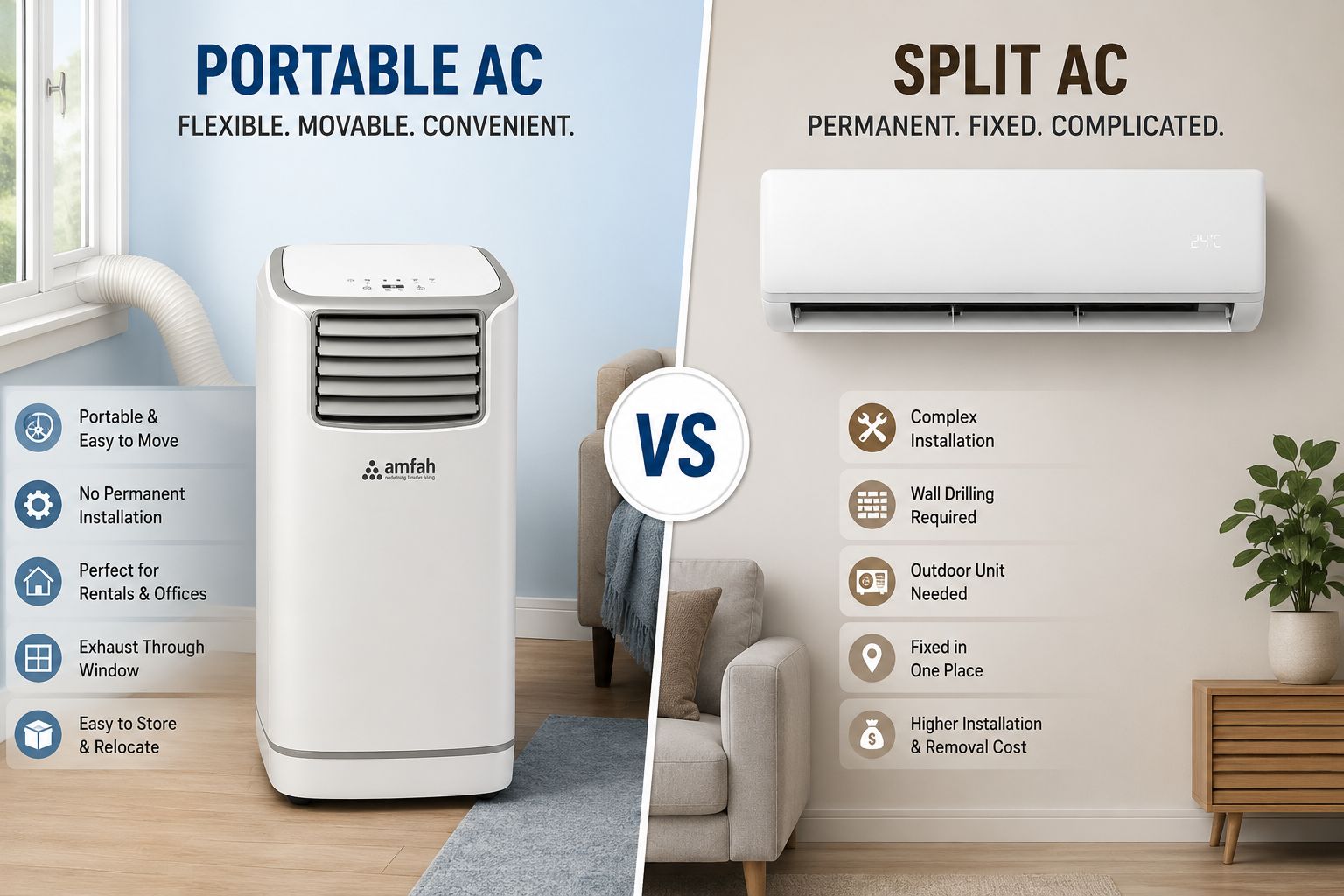
Compare portable AC vs split AC to understand installation, portability, wall damage, cooling, and why portable AC is a practical choice for homes, offices, and rental spaces.
Our Senior indoor air consultants are online to draft complete thermodynamic calculations for industrial cleanrooms, warehouses, data grids, or residential spaces.