
Buying GuidesAugust 29, 20267 min read
What Size Dehumidifier Do I Need?
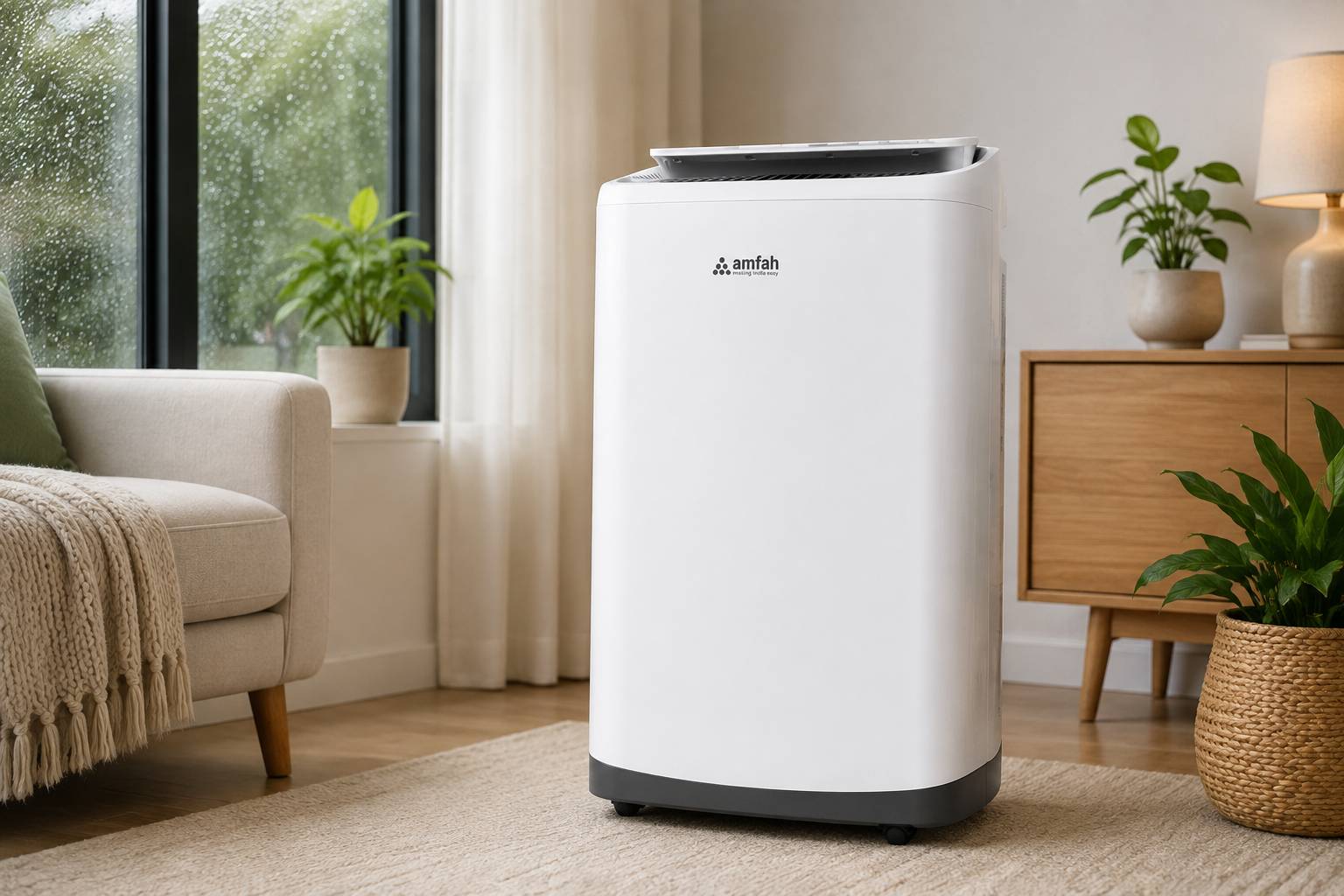
Find out what size dehumidifier you need for your room based on room size, humidity levels, moisture sources, and usage. A simple guide for Indian homes and offices.
 |The Most Preferred Brand on the Government e-Marketplace (GeM) Portal
 |The Most Preferred Brand on the Government e-Marketplace (GeM) Portal.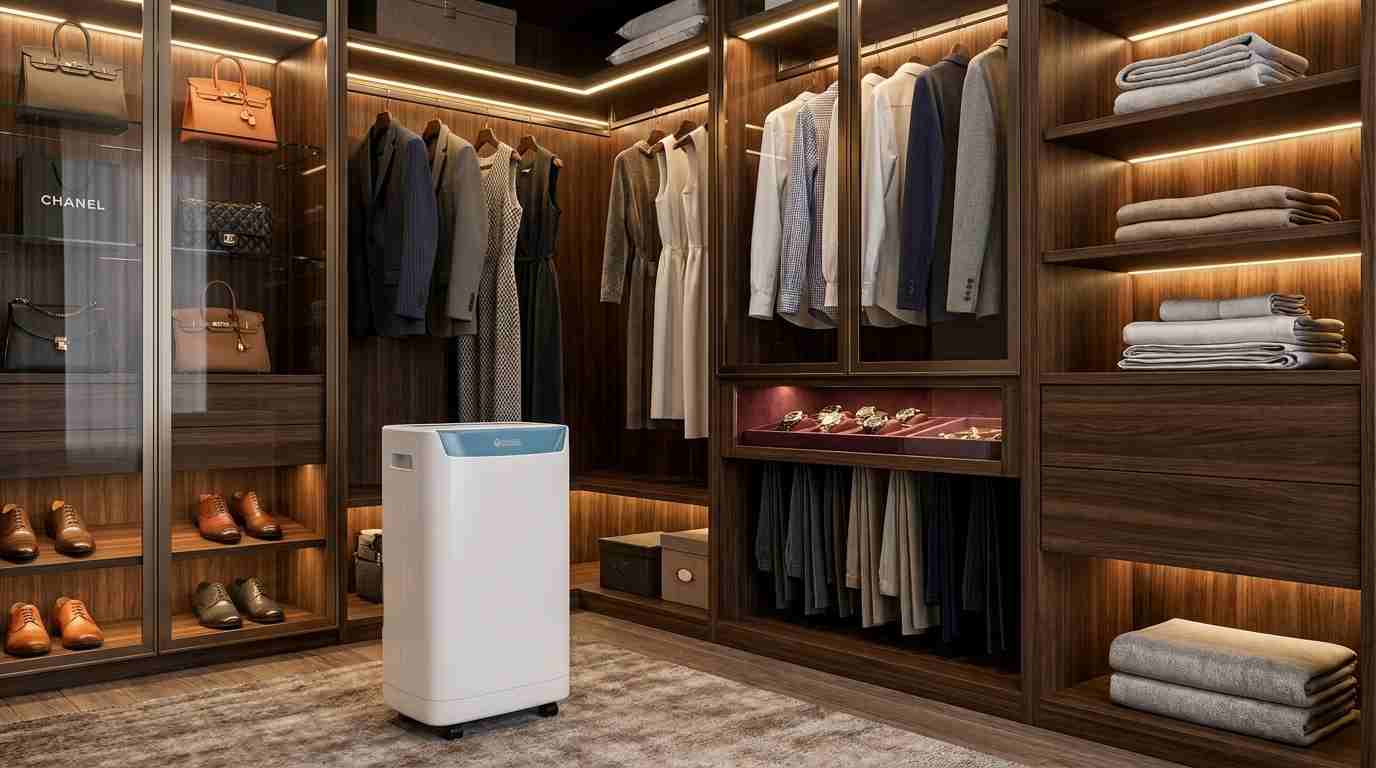
Musty wardrobe? Learn practical steps to remove humidity, prevent mold, and protect clothes, shoes, and leather items all year round.
You open your wardrobe expecting a fresh smell, and instead get a damp, musty one. Clothes feel slightly moist, leather bags show white patches, shoes smell off, or you spot mold in a corner.
These are all classic signs of trapped humidity and the good news is, they're fixable.
A wardrobe is essentially a sealed box with almost no airflow, which makes it one of the easiest places in a home for moisture to collect. Common triggers include:
Without circulation, that moisture has nowhere to go.
Left unaddressed, these tend to get worse rather than resolve on their own.
The EPA notes that indoor humidity encourages mold growth whenever moisture is left uncontrolled — and a closed wardrobe, with almost no airflow, is one of the more favorable environments for exactly that.
Store only fully dry clothes. Even slightly damp clothing raises humidity inside the wardrobe and creates odor over time.
Don't overfill it. Packed-tight clothes block airflow between items, letting moisture sit rather than dissipate.
Open the doors daily. A few minutes of open-door time lets trapped moisture escape and fresh air in.
Keep wet items out. Raincoats, gym clothes, and towels should dry completely outside the wardrobe first.
Clean it regularly. Dust combined with moisture is a common starting point for mold — wipe down shelves periodically.
Silica gel packets, charcoal bags, and moisture-absorber boxes do help in small wardrobes with mild humidity. But during monsoon months or in consistently humid cities, they saturate quickly and need frequent replacing and if the room itself stays humid, the wardrobe will keep re-absorbing moisture regardless.
A wardrobe can't manage humidity in isolation it reflects whatever humidity level exists in the room around it. A residential dehumidifier addresses this at the source, removing excess moisture from the entire room rather than just masking the symptom inside the wardrobe. As room humidity drops, the wardrobe stays drier and fresher without any extra effort.
The larger and more valuable the wardrobe collection, the more this matters.
How can I quickly reduce humidity in my wardrobe without buying anything? Open the doors daily for a few minutes, avoid storing damp clothes, and don't overpack the space these three habits alone noticeably improve airflow.
Do silica gel packets really work for wardrobe humidity? They help in small wardrobes with mild humidity, but they saturate fast in monsoon conditions or humid cities and need frequent replacement.
Is a dehumidifier better than a moisture absorber for wardrobes? Yes for ongoing humidity a dehumidifier treats the room continuously, while moisture absorbers are single-use and need regular replacing.
Your wardrobe protects some of your most valuable everyday belongings, and it deserves the same protection in return. Better ventilation habits combined with proper room humidity control through an AMFAH residential dehumidifier keeps it dry, fresh, and ready to use in every season.
Find out what size dehumidifier you need for your room based on room size, humidity levels, moisture sources, and usage. A simple guide for Indian homes and offices.
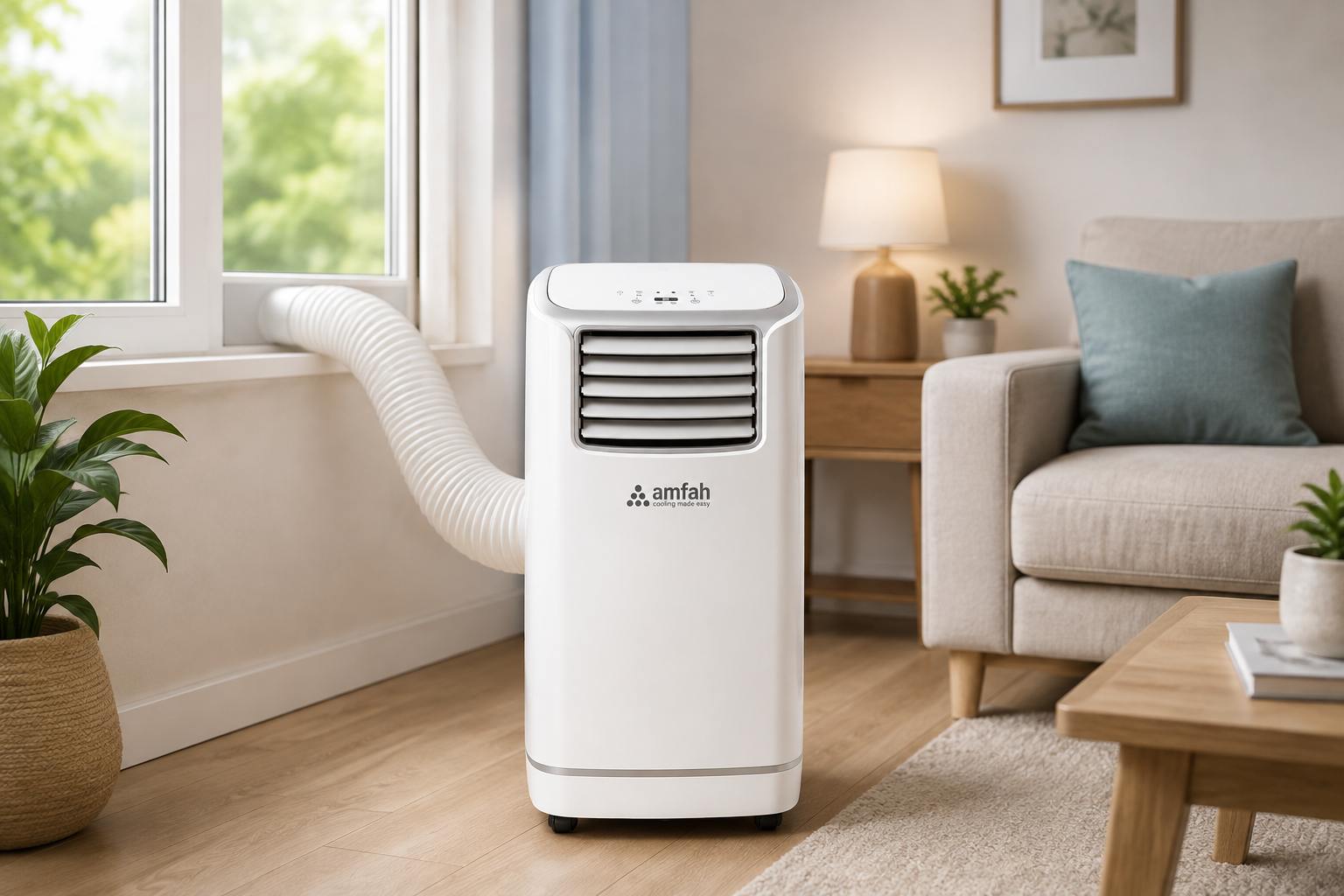
Discover why portable ACs are becoming popular in India and how they offer flexible cooling for homes, rental properties, offices, and commercial spaces.
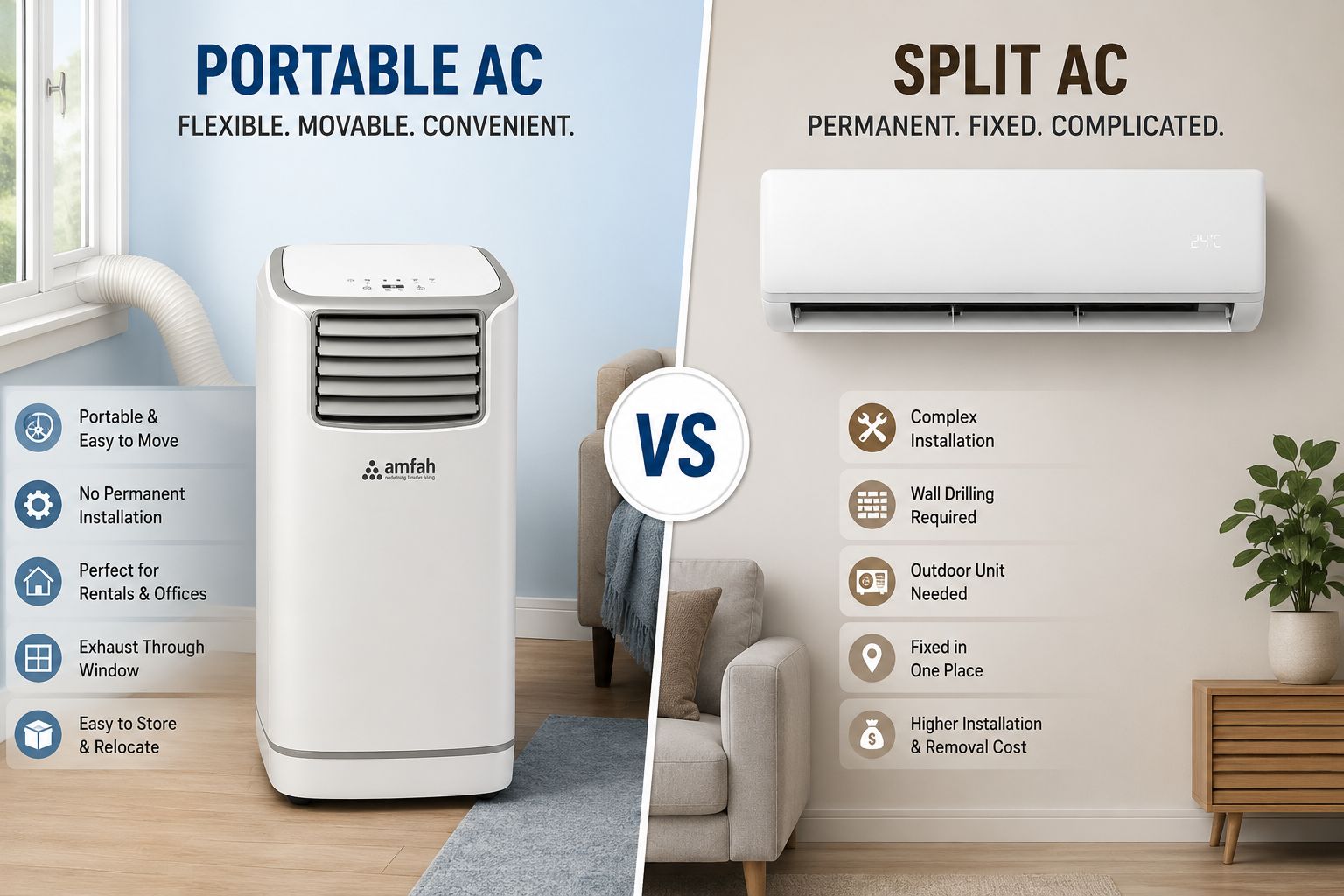
Compare portable AC vs split AC to understand installation, portability, wall damage, cooling, and why portable AC is a practical choice for homes, offices, and rental spaces.
Our Senior indoor air consultants are online to draft complete thermodynamic calculations for industrial cleanrooms, warehouses, data grids, or residential spaces.