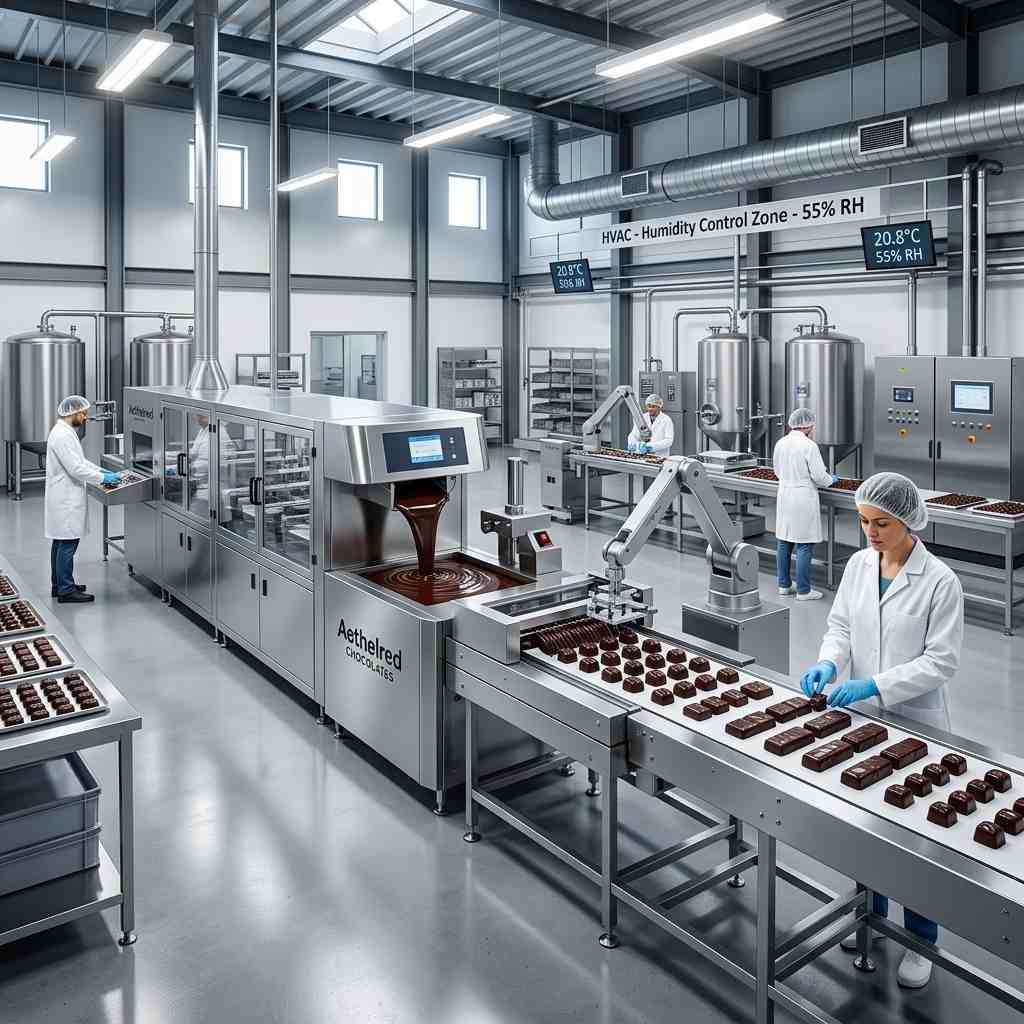
Walk into any chocolate factory and you'll notice something besides the sweet smell in the air. The temperature and humidity are tightly controlled, and that's not by accident. Chocolate and confectionery are some of the most humidity sensitive products in the food industry. Even a small rise in moisture can ruin an entire batch.
Why Humidity Is a Big Deal for Chocolate
Chocolate is made mostly of cocoa butter and sugar, and both react badly to moisture in the air.
Sugar bloom is one of the most common problems. When chocolate is exposed to humid air, moisture settles on its surface and dissolves the sugar. Once that moisture evaporates, it leaves behind a rough, whitish, grainy coating. The chocolate is still safe to eat, but it looks unappealing and feels wrong in the mouth.
There's also a loss of gloss and snap. Good chocolate should look shiny and snap cleanly when broken. High humidity dulls the shine and makes the texture soft or sticky. Confectionery items like candies, toffees, and gummies can also become sticky or clump together if the surrounding air holds too much moisture, which makes packaging and handling a headache.
Finally, moisture speeds up spoilage. Products absorb humidity from the air, and this can lead to mould growth or a change in taste and texture much sooner than expected.
The Ideal Humidity Range
Most chocolate and confectionery production areas are kept between 40% and 50% relative humidity. Sensitive stages like tempering and enrobing often need tighter control, sometimes as low as 30 to 35%. Storage rooms for finished products also need consistent humidity to prevent condensation, especially during seasonal changes or monsoon months.
How Dehumidifiers Help
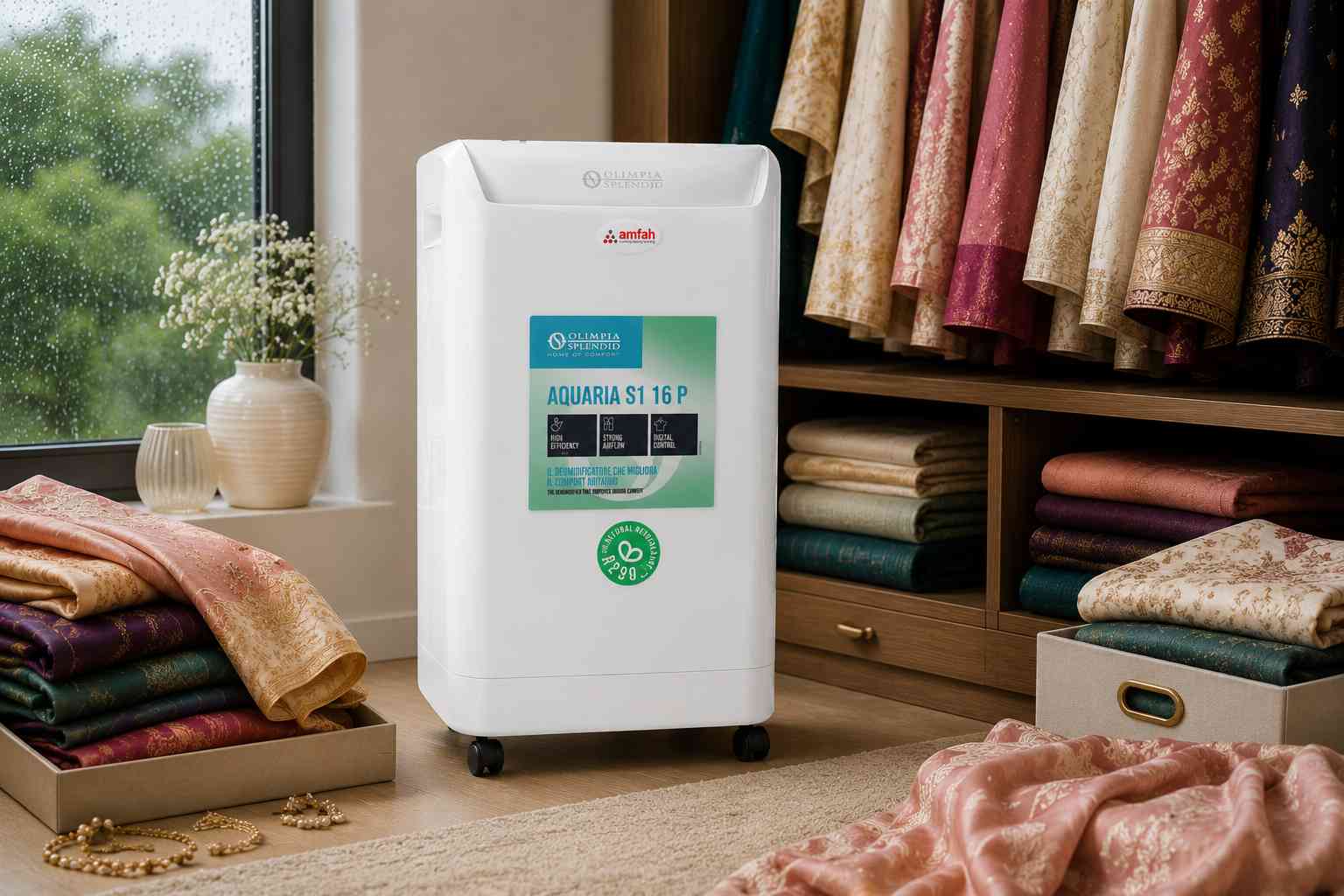
Industrial dehumidifiers are installed in production halls, tempering rooms, packaging areas, and cold storage. They pull excess moisture out of the air before it reaches the product, and they maintain a steady, consistent humidity level regardless of outside weather. This helps prevent condensation on cold surfaces like chilling tunnels and storage racks, reduces the risk of mould and bacterial growth, and protects packaging materials like foil and cartons from becoming soft or damp.
This matters even more in a country like India, where humidity levels swing dramatically between seasons. A factory that works perfectly in dry winter months can face serious quality issues during the monsoon without proper dehumidification in place.
Choosing the Right Dehumidifier
Confectionery units usually need industrial grade dehumidifiers with high moisture removal capacity, since production areas are large and doors often open frequently for material movement. When choosing one, look at the moisture removal capacity matched to your room size and production volume, the ability to maintain low humidity even at cooler temperatures (many chocolate rooms are chilled), low noise and energy efficient operation for continuous use, and how easily it integrates with your existing HVAC system.
Final Thoughts
For chocolatiers and confectionery manufacturers, humidity control isn't a luxury. It's part of the recipe. Getting it right protects product quality, extends shelf life, and keeps customers coming back for that perfect glossy snap. Investing in the right dehumidification setup pays for itself many times over in reduced wastage and consistent quality.
Looking for the right dehumidifier for your chocolate or confectionery unit? Get in touch with Amfah for a solution tailored to your production space.