
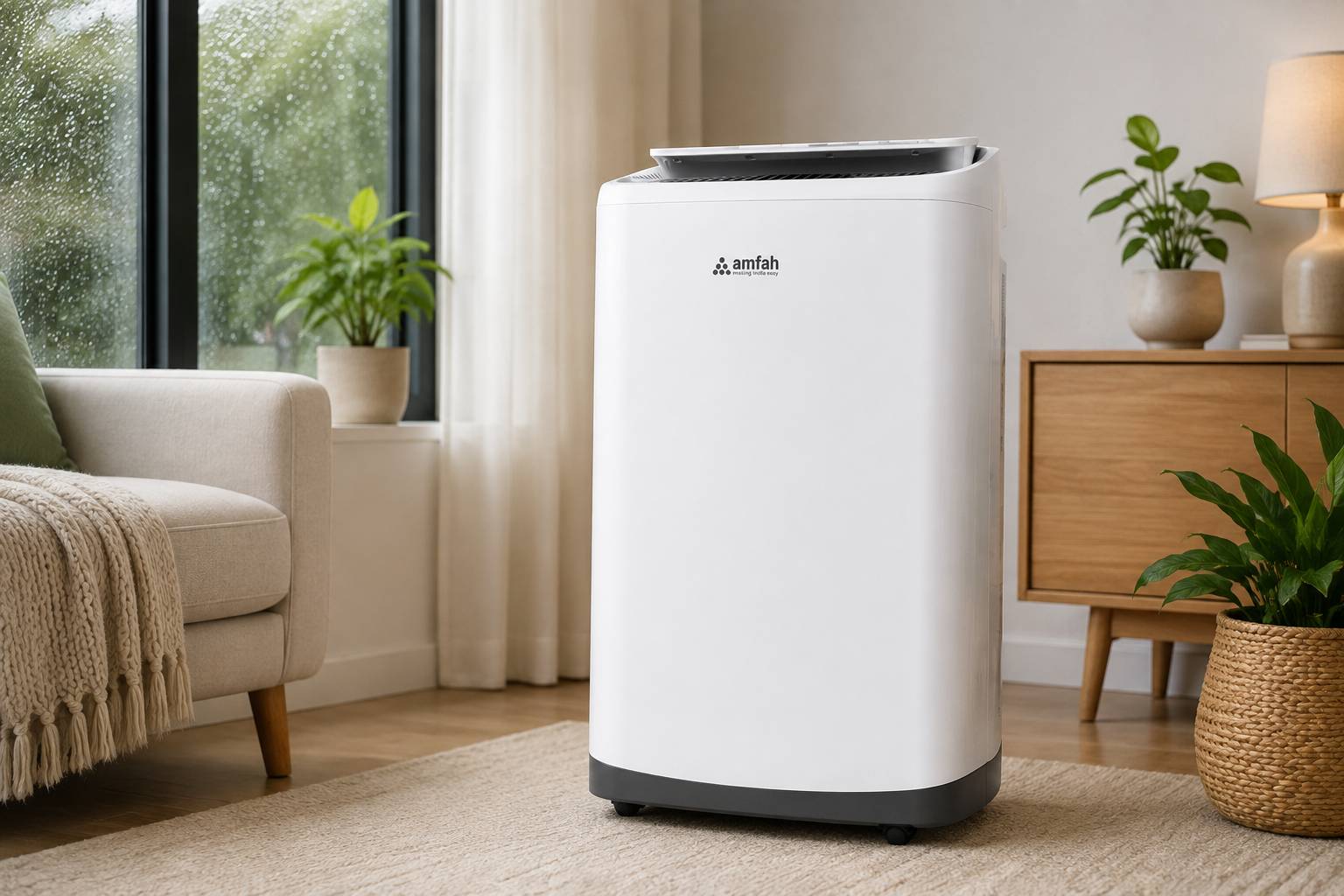
Buying GuidesAugust 29, 20267 min read
What Size Dehumidifier Do I Need?
Find out what size dehumidifier you need for your room based on room size, humidity levels, moisture sources, and usage. A simple guide for Indian homes and offices.
 |The Most Preferred Brand on the Government e-Marketplace (GeM) Portal
 |The Most Preferred Brand on the Government e-Marketplace (GeM) Portal.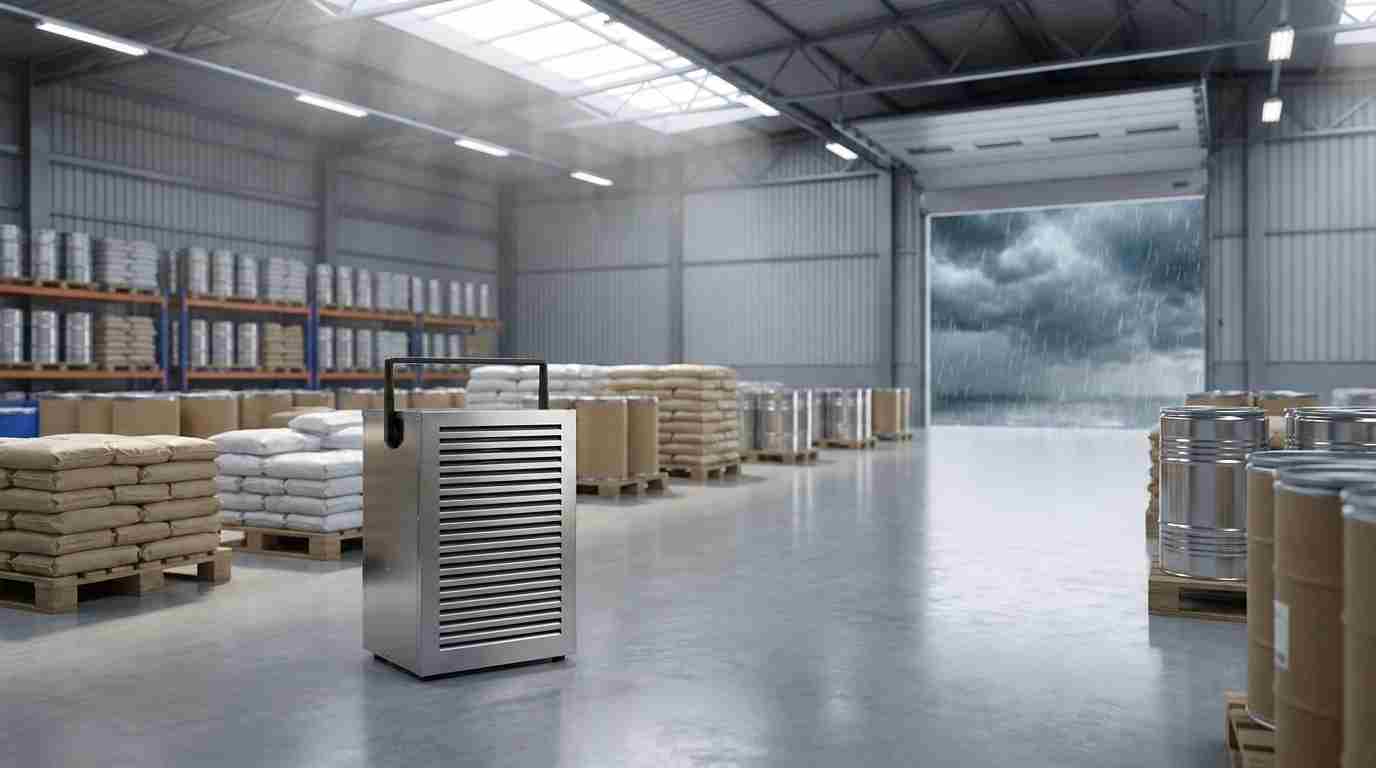
Protect powder materials from moisture with effective humidity control. Prevent caking, clumping, contamination, and product loss during storage with AMFAH.
Many industries rely on powder-based raw materials every day. From pharmaceutical ingredients and food additives to chemicals, minerals, cosmetics, and industrial compounds, these materials must remain dry throughout storage. Even small amounts of moisture can change the physical properties of a powder, making it difficult to process or unsuitable for production.
That's why humidity control is an important part of every powder storage facility.
Most powders have microscopic particles with a large surface area. When stored in a humid environment, these particles gradually absorb moisture from the surrounding air.
The amount of moisture absorbed depends on:
Some powders absorb moisture much faster than others, making environmental control essential.
Moisture can affect powder materials in several ways. Some of the most common problems include:
Once these changes occur, restoring the original quality is often impossible.
Poor storage conditions don't just damage raw materials. They can also interrupt production.
Moisture-affected powders may:
Even a small change in powder consistency can affect the final product.
Humidity control is important across many industries, including:
Each industry has different storage requirements, but keeping powders dry is a common priority.
Many businesses believe sealed bags or containers provide complete protection.
While quality packaging slows moisture entry, it cannot completely protect materials if the storage environment remains humid for long periods.
Every time containers are opened for sampling, production, or inspection, the powder is exposed to surrounding air.
Maintaining proper humidity inside the storage area reduces this risk.
Humidity damage often develops gradually. Some early warning signs include:
Routine inspections help identify these issues before they affect production.
Consistent humidity levels help prevent powders from absorbing excess moisture. Sudden fluctuations should be avoided whenever possible.
Use pallets or storage racks instead of placing bags directly on the floor. This improves air circulation and reduces exposure to floor moisture.
Close containers immediately after use. Leaving bags or drums open allows powders to absorb moisture much more quickly.
Using the First-In, First-Out (FIFO) method reduces long storage periods and helps maintain product quality.
Check both the storage environment and the materials themselves for signs of moisture before production begins.
Stable humidity supports better storage conditions by helping powders retain their original characteristics. This leads to:
Instead of correcting moisture-related problems later, businesses can prevent them during storage.
General ventilation and air conditioning improve comfort, but they may not maintain the humidity levels required for sensitive powder materials.
A commercial dehumidifier continuously removes excess moisture from the air, helping create a stable storage environment throughout the year.
This becomes especially valuable during the monsoon season and in regions where humidity remains high for extended periods.
The quality of any finished product begins with the condition of its raw materials.
Keeping powders dry during storage helps reduce waste, improve production efficiency, and maintain consistent product quality.
AMFAH commercial dehumidifiers help manufacturers create controlled storage environments for powder materials, supporting reliable operations across pharmaceutical, food, chemical, cosmetic, and industrial facilities.
Find out what size dehumidifier you need for your room based on room size, humidity levels, moisture sources, and usage. A simple guide for Indian homes and offices.
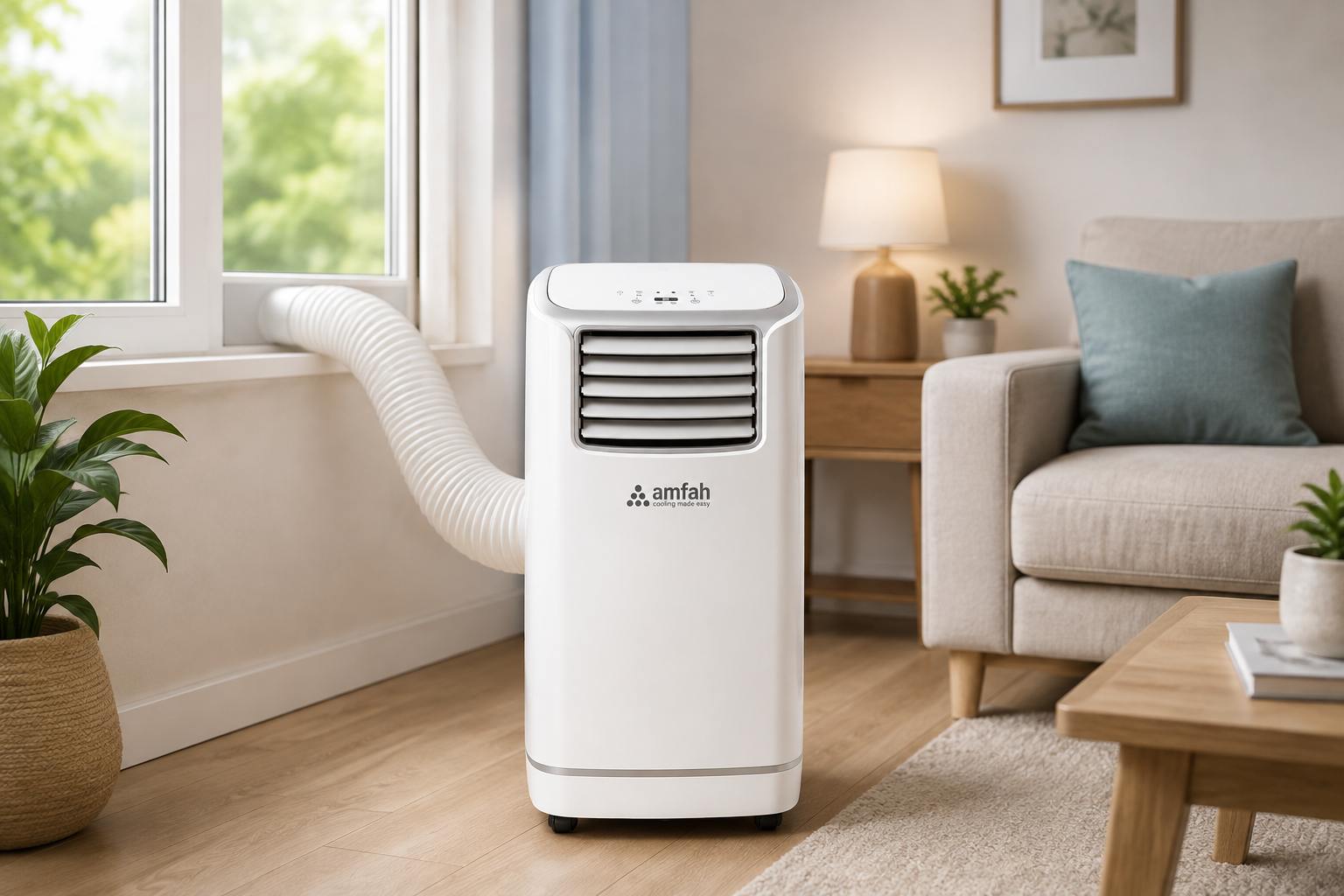
Discover why portable ACs are becoming popular in India and how they offer flexible cooling for homes, rental properties, offices, and commercial spaces.
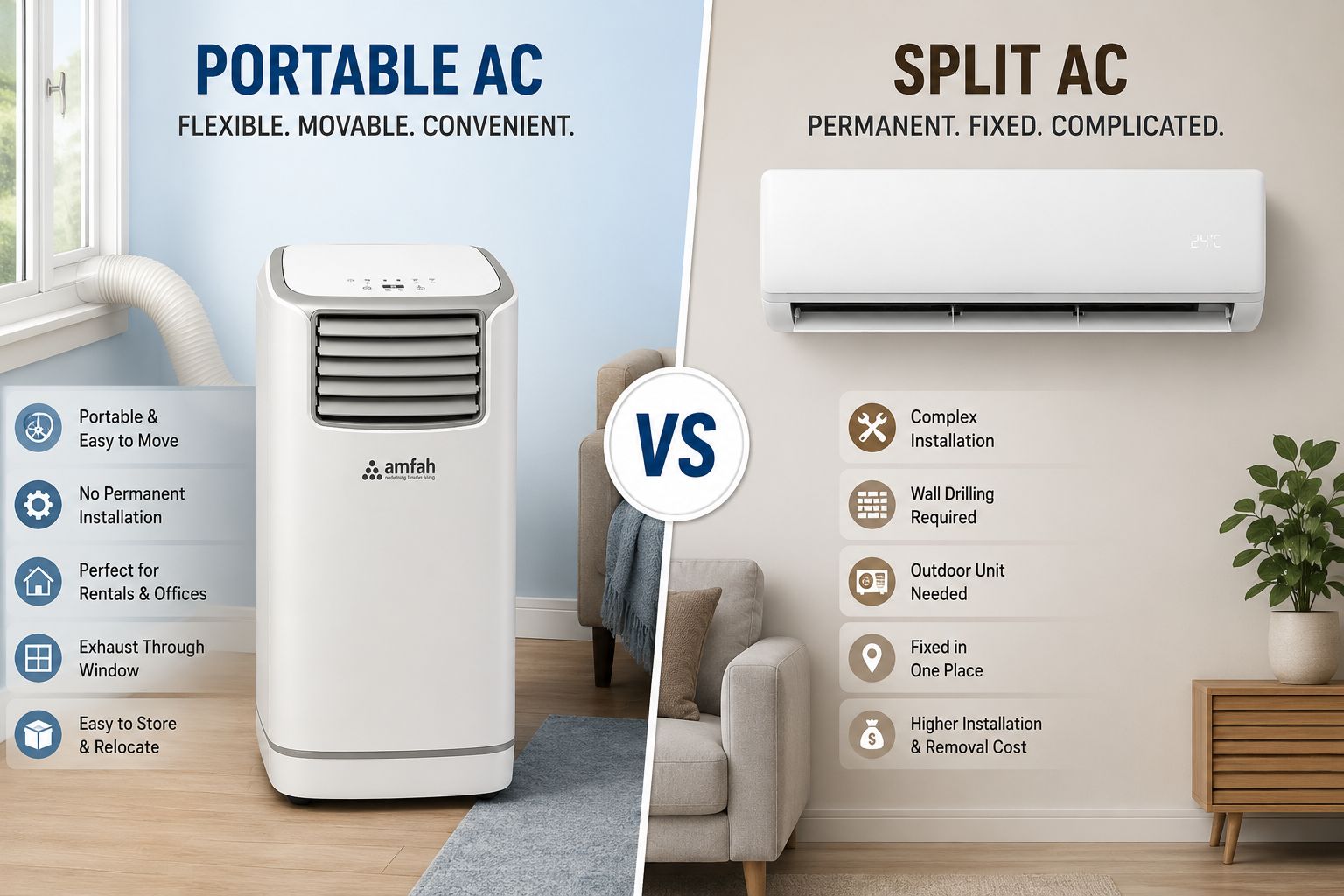
Compare portable AC vs split AC to understand installation, portability, wall damage, cooling, and why portable AC is a practical choice for homes, offices, and rental spaces.
Our Senior indoor air consultants are online to draft complete thermodynamic calculations for industrial cleanrooms, warehouses, data grids, or residential spaces.