
Buying GuidesAugust 29, 20267 min read
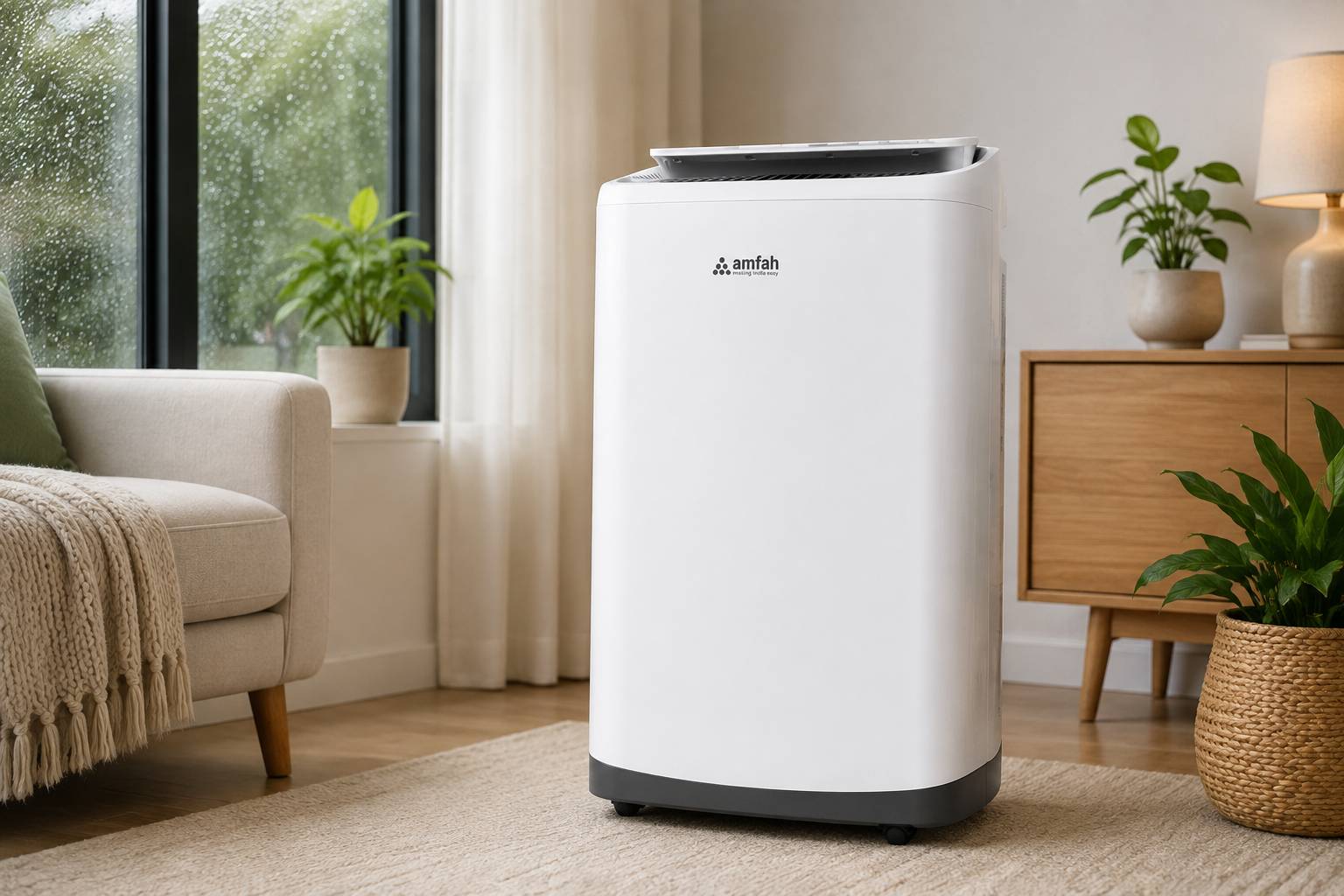
What Size Dehumidifier Do I Need?
Find out what size dehumidifier you need for your room based on room size, humidity levels, moisture sources, and usage. A simple guide for Indian homes and offices.
 |The Most Preferred Brand on the Government e-Marketplace (GeM) Portal
 |The Most Preferred Brand on the Government e-Marketplace (GeM) Portal.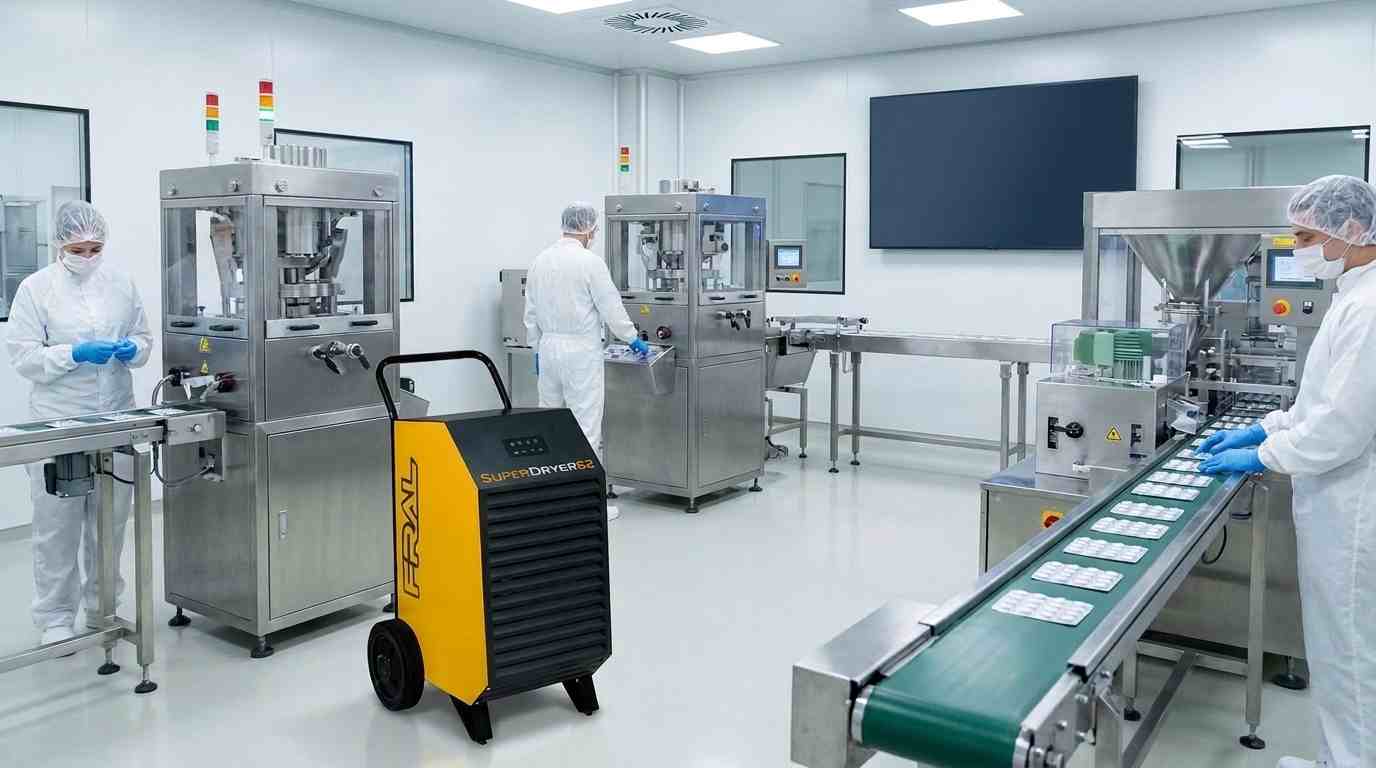
Maintain product quality with pharmaceutical humidity control. Prevent moisture-related issues in manufacturing, packaging, and storage using commercial dehumidification solutions.
When people think about pharmaceutical manufacturing, they usually focus on advanced machinery, cleanrooms, and strict quality standards. Behind every medicine, however, is another factor that quietly influences product quality—humidity.
From raw material storage to manufacturing, packaging, and finished goods storage, moisture in the air can affect both pharmaceutical and nutraceutical products. Maintaining the right humidity helps manufacturers protect product quality, improve production efficiency, and meet strict industry standards.
Many pharmaceutical and nutraceutical ingredients are sensitive to moisture.
Even a slight increase in humidity can change the physical properties of raw materials before they enter production.
Some materials absorb moisture quickly, while others may become unstable when exposed to humid conditions for extended periods.
Maintaining consistent humidity helps preserve the original characteristics of these materials throughout the manufacturing process.
Moisture can influence several stages of production, including:
Each area has different environmental requirements, making humidity control an important part of facility management.
Raw materials often remain in storage before they are used.
If storage conditions are not properly controlled, moisture can gradually enter powders and active ingredients.
This may result in:
Protecting raw materials from humidity helps ensure consistent production quality.
Pharmaceutical production depends on precision.
Changes in environmental conditions can affect how materials behave during processing.
Maintaining stable humidity helps improve:
A controlled environment allows equipment and materials to perform more consistently throughout production.
Packaging is the final stage before products reach distributors and customers.
High humidity inside packaging areas may affect:
Keeping packaging areas dry helps maintain product presentation and packaging quality.
Manufacturing is only part of the journey.
Finished medicines and nutraceutical products are often stored before shipping.
Maintaining proper storage conditions helps protect products during:
Consistent humidity helps reduce the risk of moisture-related packaging issues during storage.
Manufacturing facilities may notice problems such as:
Identifying these signs early helps prevent larger operational issues.
A well-designed manufacturing facility combines equipment, procedures, and environmental control. Some recommended practices include:
Keep materials in designated storage areas with controlled environmental conditions.
Close containers immediately after use to reduce moisture exposure.
Avoid sudden changes in humidity by maintaining stable indoor conditions throughout the facility.
Regular monitoring helps maintain consistent conditions in areas where moisture-sensitive materials are processed.
Air conditioning helps control temperature, but humidity often requires separate management.
Commercial dehumidifiers remove excess moisture from the air, helping maintain consistent environmental conditions throughout manufacturing and storage areas.
This is especially important during the monsoon season and in regions with naturally high humidity.
Humidity control supports many industries beyond pharmaceuticals, including:
Any industry handling moisture-sensitive materials can benefit from maintaining stable indoor humidity.
Maintaining the right environmental conditions helps manufacturers protect raw materials, improve production consistency, reduce waste, and maintain high-quality standards throughout the manufacturing process.
AMFAH commercial dehumidifiers provide reliable humidity control solutions for pharmaceutical and nutraceutical manufacturing facilities, helping create stable production environments from raw material storage to finished product warehouses.
Find out what size dehumidifier you need for your room based on room size, humidity levels, moisture sources, and usage. A simple guide for Indian homes and offices.
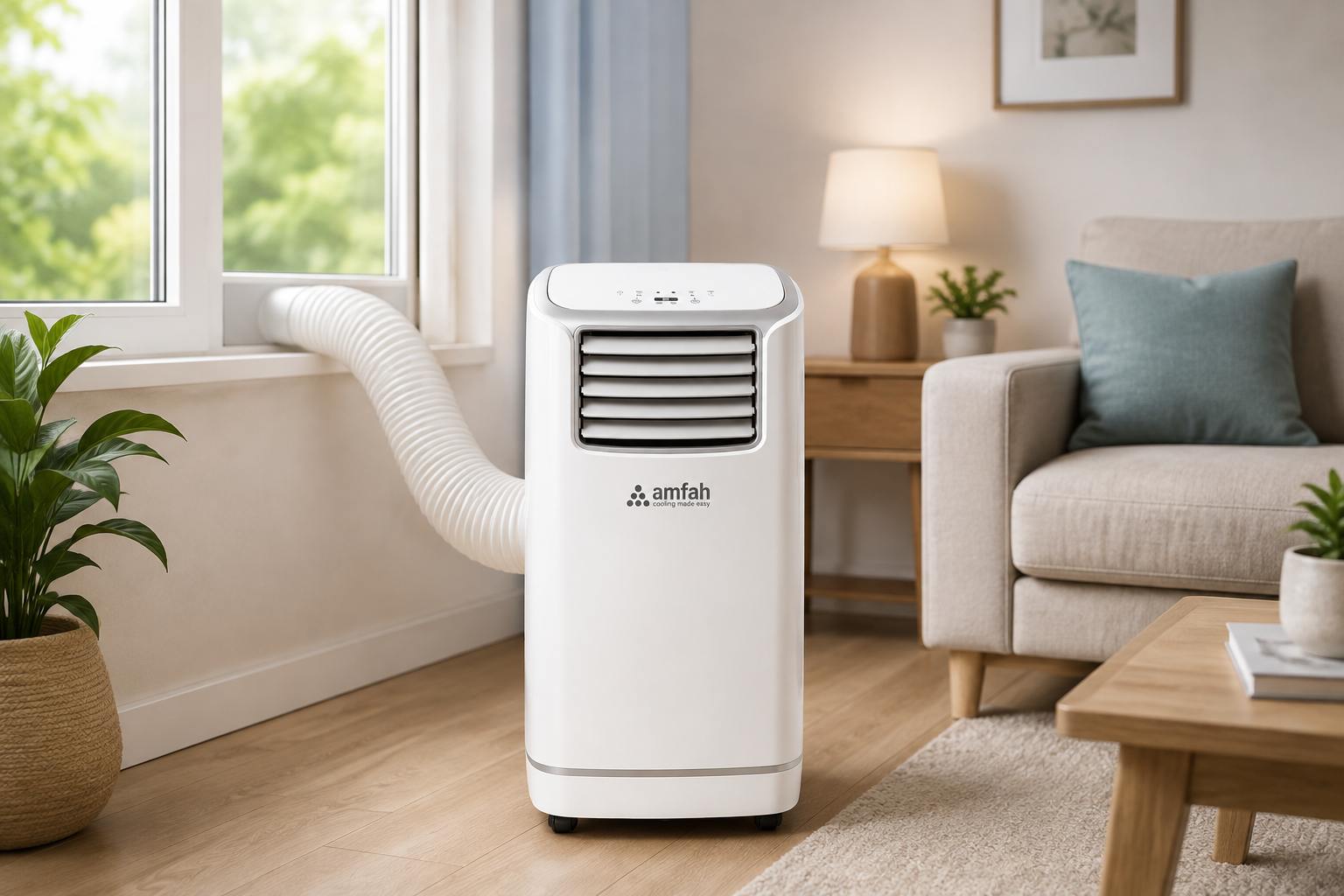
Discover why portable ACs are becoming popular in India and how they offer flexible cooling for homes, rental properties, offices, and commercial spaces.
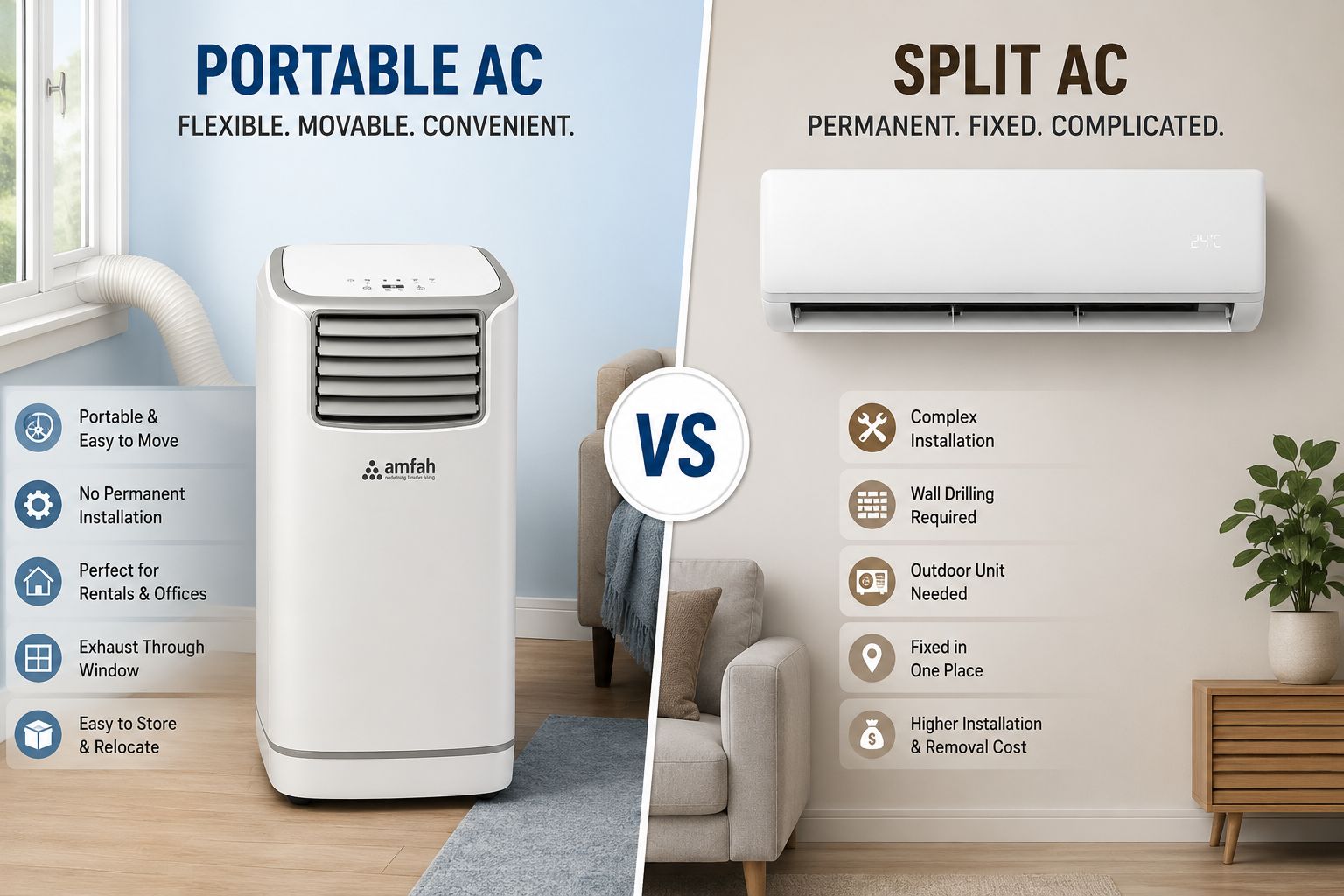
Compare portable AC vs split AC to understand installation, portability, wall damage, cooling, and why portable AC is a practical choice for homes, offices, and rental spaces.
Our Senior indoor air consultants are online to draft complete thermodynamic calculations for industrial cleanrooms, warehouses, data grids, or residential spaces.