Buying GuidesAugust 29, 20267 min read
What Size Dehumidifier Do I Need?
Find out what size dehumidifier you need for your room based on room size, humidity levels, moisture sources, and usage. A simple guide for Indian homes and offices.
 |The Most Preferred Brand on the Government e-Marketplace (GeM) Portal
 |The Most Preferred Brand on the Government e-Marketplace (GeM) Portal.
Discover how tight relative humidity (RH) control ensures active pharmaceutical ingredient (API) stability, protects formulation integrity, and meets GMP validation criteria.
When we talk about making medicine the humidity in the air is not about how people feel. The humidity level is very important for the medicine to be safe for people to use. It also affects how well the medicine works and if it meets the rules set by the government. The humidity in the air is a deal, for pharmaceutical manufacturing because it can change how the medicine is made and if it is good to use.
Uncontrolled humidity is a problem. It can make products degrade which means they get worse over time. It can also cause microbes to grow, which is not good. This can lead to problems with the way things are made and issues with following the rules.
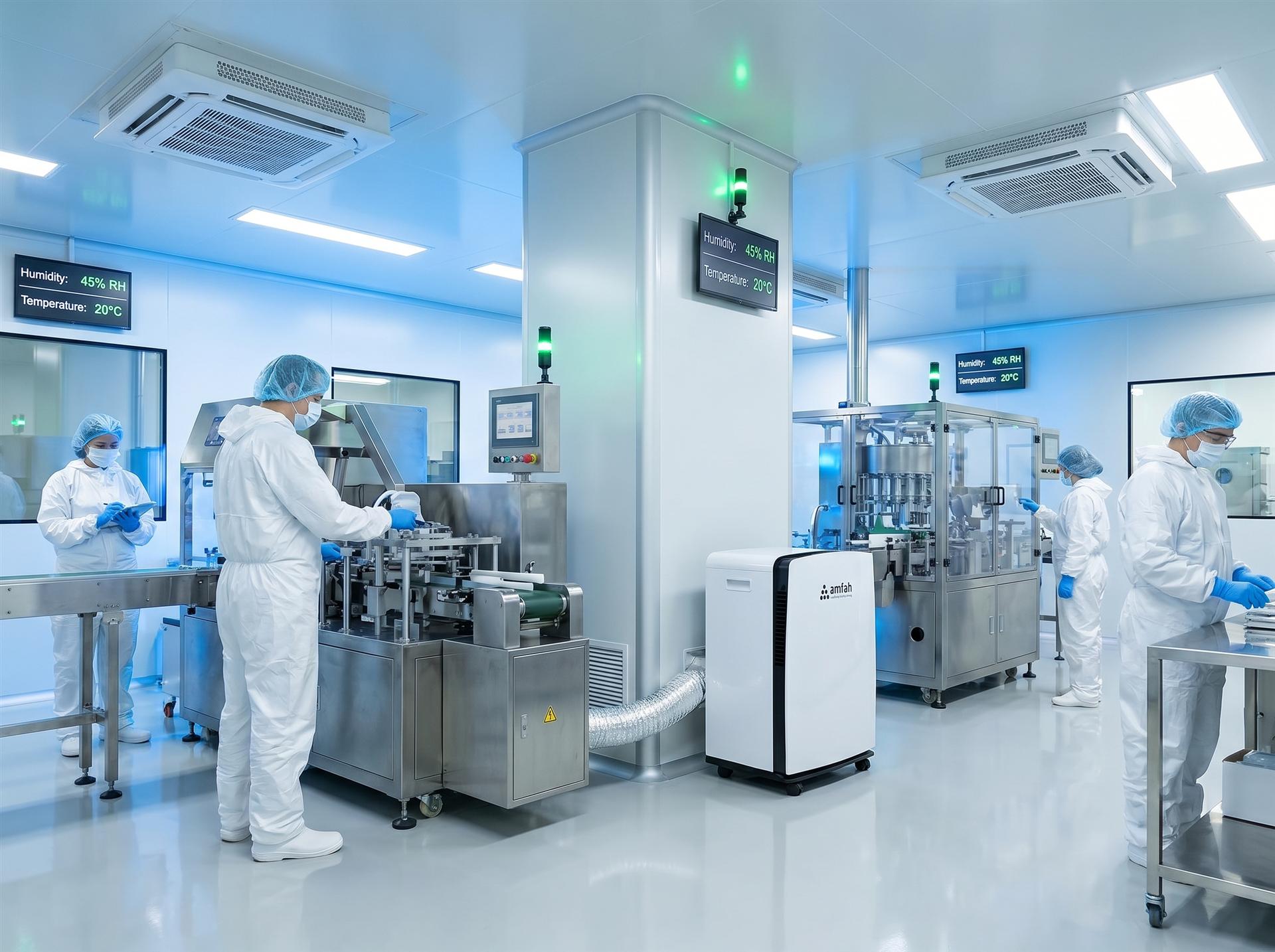
Pharmaceutical cleanrooms need to keep the air right. They use systems to control the humidity. This helps keep the air stable, which is very important.
By keeping the moisture in the air under control companies that make things can protect the products that're sensitive. They can also make sure that production is reliable and reduce the risk of losing products, which can be very costly. Pharmaceutical cleanrooms and manufacturers rely on humidity control systems to maintain environmental conditions and protect sensitive products, like pharmaceuticals.
humidity is how much moisture is in the air compared to how much the air can hold at a certain temperature. In manufacturing it is crucial to keep the right humidity level because many ingredients and products are very sensitive to moisture. Different manufacturing processes need humidity levels. For instance powder handling, tablet manufacturing, capsule production and packaging operations all need environmental conditions. Small changes in humidity can affect how well a product works and the outcome of production. Relative humidity is important, in manufacturing. The right humidity level ensures that products are made correctly. Moisture affects pharmaceutical ingredients. Pharmaceutical manufacturing requires control of humidity.
Pharmaceutical ingredients are like sponges they soak up moisture from the air around them. When the air is too humid it can make powders stick together tablets get soft. Capsules fall apart. Sometimes moisture can even change the way pharmaceutical ingredients work making them less effective. Pharmaceutical ingredients need to be kept in an environment to stay good. This means keeping the humidity level right. When we do this pharmaceutical ingredients stay good for a time and work the way they should, from the time they are made until they are used.
High humidity is really bad for places like cleanrooms. It helps bacteria and mold grow. This can cause a lot of problems. For example it can get products rejected, slow down production and cause issues with regulations. If we control the humidity it makes it harder for bacteria and mold to grow. This is because we are making the environment not so great for them. So controlling humidity is important for cleanrooms to work well and to keep products safe. Controlling humidity, in cleanrooms is very important. It helps keep products safe in cleanrooms.
Pharmaceutical manufacturing relies on precision and consistency. Variations in humidity can affect several critical processes, including granulation, blending, compression, coating, and packaging. When humidity levels fluctuate, manufacturers may experience inconsistent product quality, production inefficiencies, and increased waste. Maintaining controlled humidity helps ensure repeatable and reliable manufacturing outcomes.
While excessive humidity is problematic, very low humidity levels can also create challenges. Dry air increases static electricity, which can interfere with powder handling and attract airborne particles. Balanced humidity levels help minimize static-related issues and contribute to smoother manufacturing operations.
Pharmaceutical facilities face several humidity-related challenges, including seasonal weather changes, moisture brought in by employees, cleaning activities, and manufacturing processes. These factors can make it difficult to maintain the desired humidity range without specialized equipment.
Standard HVAC systems may not always provide the level of humidity control required in pharmaceutical environments. Dehumidifiers help remove excess moisture from the air and maintain stable conditions throughout the year.
Desiccant dehumidifiers are particularly effective because they can achieve low humidity levels while providing consistent performance, even in high-humidity climates.
At AMFAH India, we provide advanced dehumidification solutions designed for pharmaceutical and cleanroom applications. Our systems help maintain precise humidity levels, protect moisture-sensitive products, reduce contamination risks, and support GMP-compliant manufacturing environments.
With customized solutions and industry expertise, AMFAH helps pharmaceutical companies achieve reliable humidity control and improved operational efficiency.
Relative humidity control is a critical part of pharmaceutical cleanroom management. Proper humidity levels help protect product quality, prevent contamination, improve manufacturing consistency, and support regulatory compliance.
Investing in the right dehumidification solution ensures a stable production environment and contributes to the long-term success of pharmaceutical operations.
Find out what size dehumidifier you need for your room based on room size, humidity levels, moisture sources, and usage. A simple guide for Indian homes and offices.
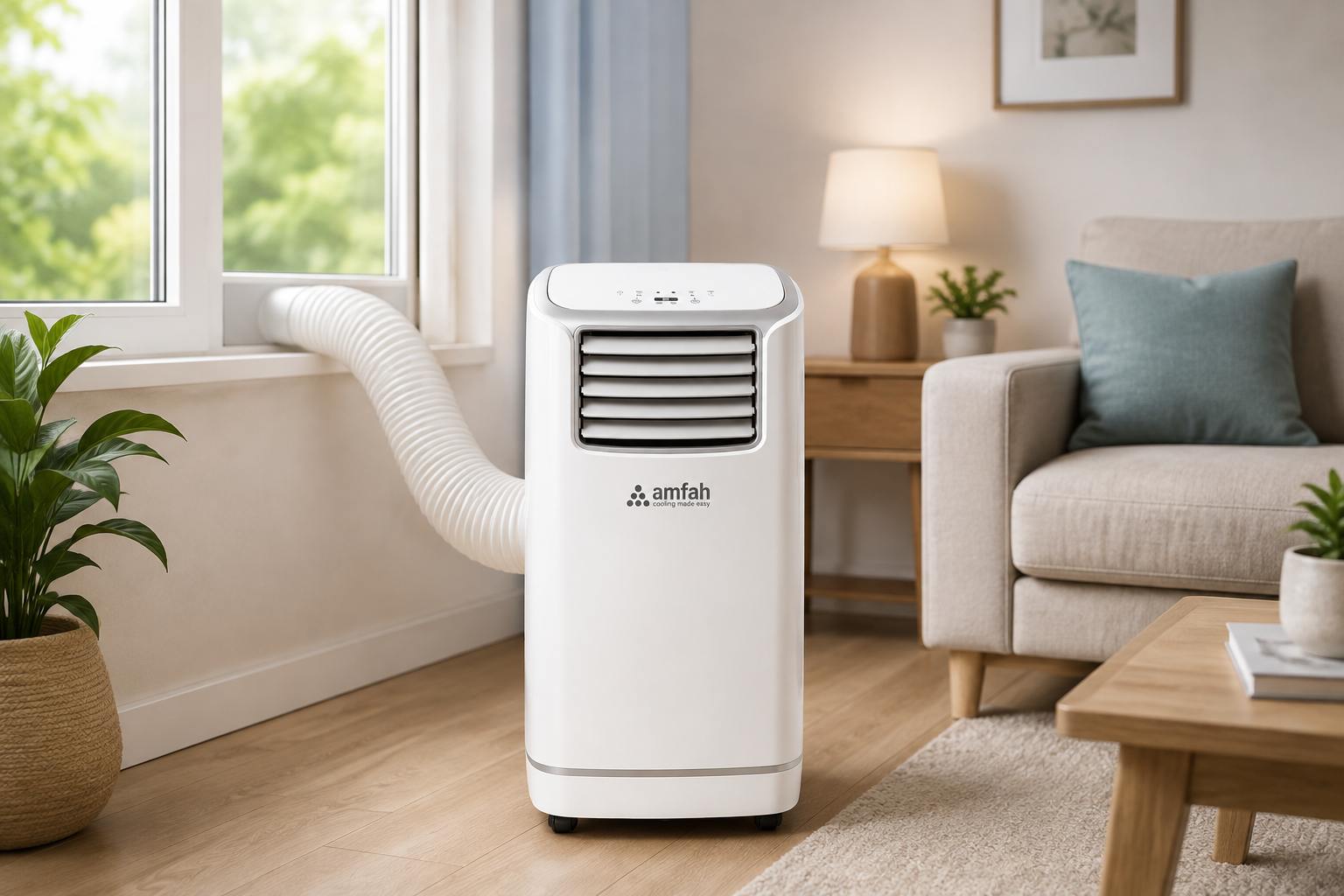
Discover why portable ACs are becoming popular in India and how they offer flexible cooling for homes, rental properties, offices, and commercial spaces.
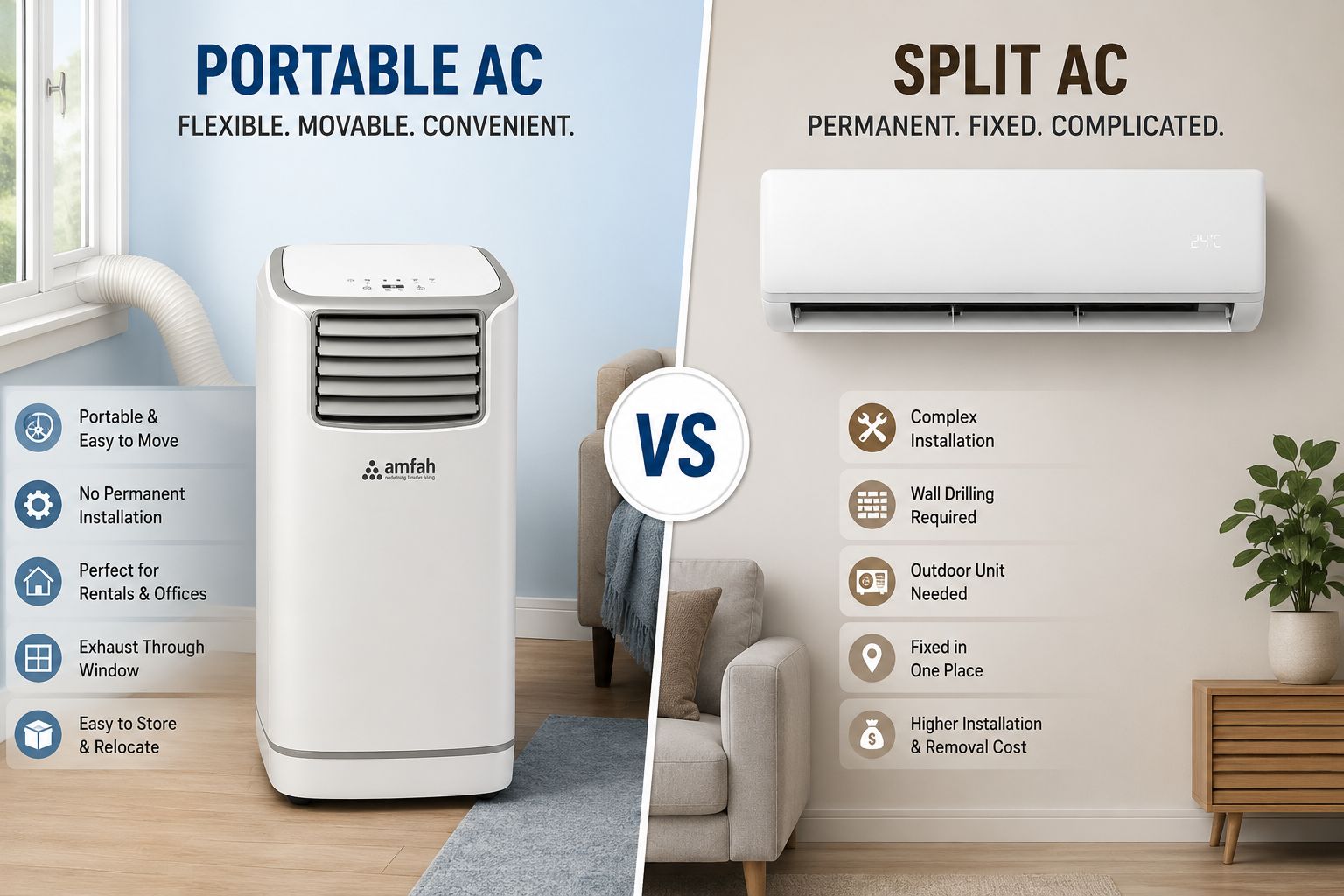
Compare portable AC vs split AC to understand installation, portability, wall damage, cooling, and why portable AC is a practical choice for homes, offices, and rental spaces.
Our Senior indoor air consultants are online to draft complete thermodynamic calculations for industrial cleanrooms, warehouses, data grids, or residential spaces.