Summer in India is changing the way people think about cooling. A few years ago, if someone wanted an air conditioner, there were usually two choices: a split AC or a window AC. Today, there is another option that is getting more attention — the portable AC.
A Different Way of Staying Cool Is Becoming Popular
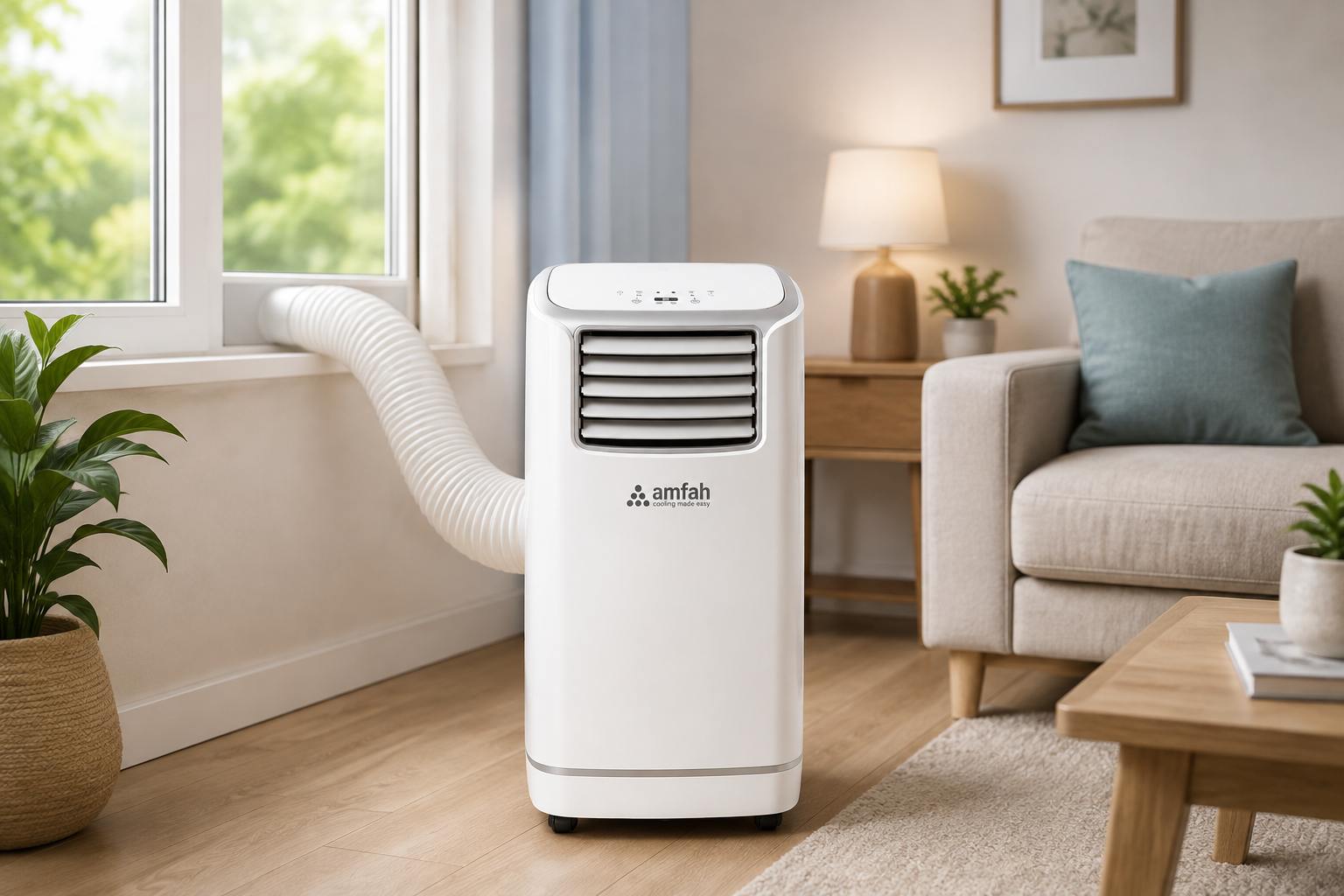
You may have seen one in a home, office or shop. It looks different from a regular wall-mounted AC because it sits on the floor and can be moved when required.
At first, a portable air conditioner may sound like a product made only for temporary use. But that's changing.
People are living in rented homes, moving between cities for work, working from home, opening temporary offices and looking for cooling solutions that don't require permanent changes to a building. This is where portable ACs are finding their place in India.
Why Are More People Looking at Portable ACs?
The way people live and work has changed:
- Someone may rent an apartment for two years before moving to another city.
- A small business may operate from a rented office.
- A company may create a temporary workspace for a new project.
- A student may move between rented rooms during their studies.
In all these situations, installing a permanent air conditioner can become a difficult decision.
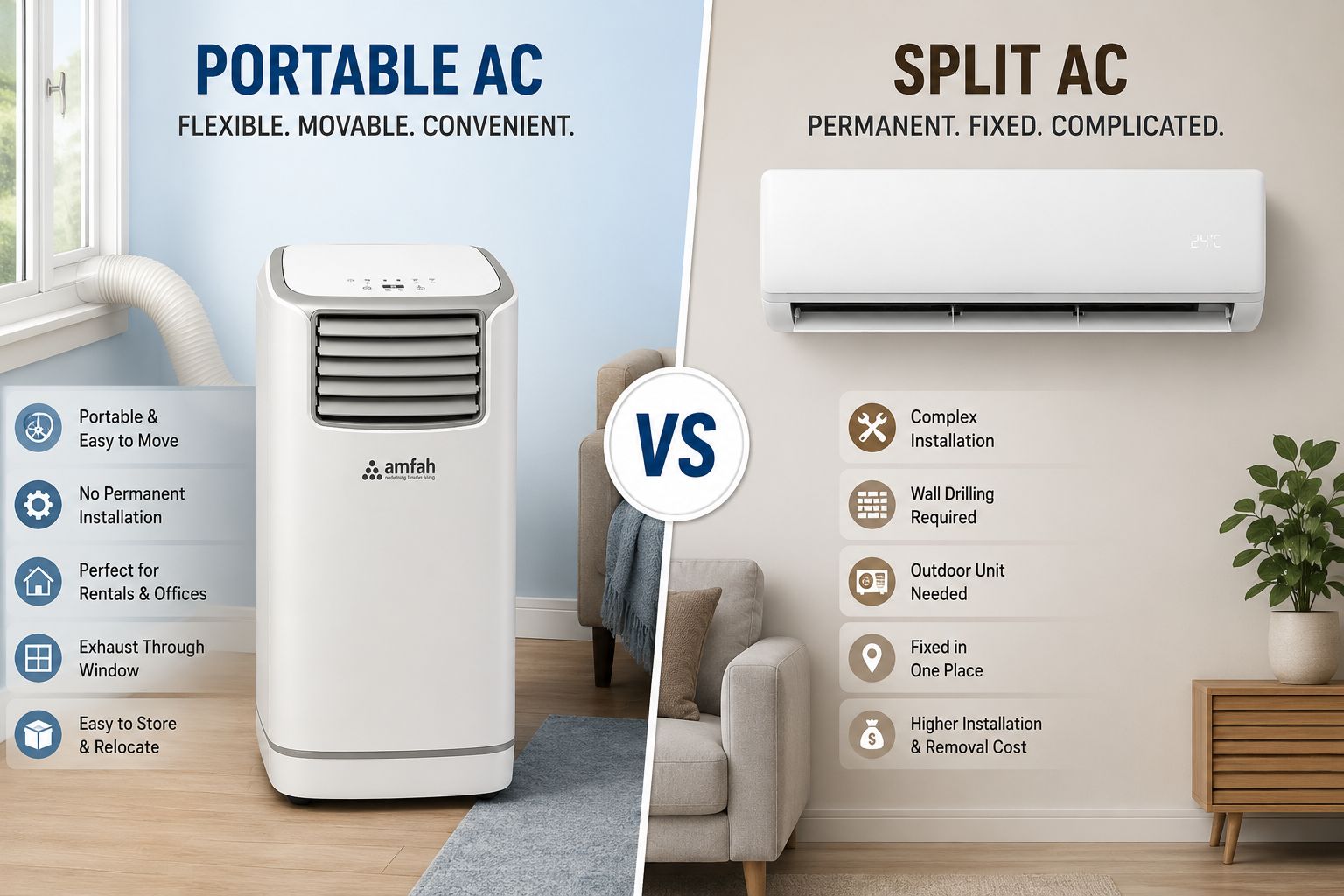
A split AC requires installation, wall drilling, piping and an outdoor unit. A portable AC takes a different approach. The unit stays inside the room and uses an exhaust hose to send hot air outside through a suitable window or opening. Most portable units are also fitted with wheels, making them easier to move.
That simple difference is one of the main reasons portable ACs are attracting attention.
The Rental Home Problem
Imagine you have rented a beautiful apartment. The walls have just been painted. The interiors are finished. Everything looks exactly the way you want it.
Then summer arrives and you need an AC.
A split AC installation usually involves mounting the indoor unit, drilling through the wall for pipes and installing an outdoor unit. For a homeowner, this may be a normal part of installing an AC. For a tenant, it can be a different story.
The landlord may not allow drilling. The building may have restrictions on outdoor units. And when you eventually move out, the installation has to be removed.
This is one of the situations where portable AC becomes attractive. Recent Indian coverage has specifically highlighted rented homes and people who cannot make permanent changes to their property as an important use case for portable air conditioners.
No Need to Turn Your Wall Into an AC Installation Site
Installing a split AC is not just about putting a machine on the wall. The indoor unit has to be mounted securely. A passage is needed for refrigerant pipes, electrical connections and drainage. The outdoor unit also needs a suitable location. All of this requires installation work.
Portable AC takes a much simpler route. Instead of fixing an indoor unit permanently to the wall, the air conditioner stays on the floor.
The hot air produced during cooling is directed outside using the exhaust hose and a suitable window arrangement. This means you don't have to redesign the room around a permanent AC installation. For people living in rented properties, this can make a huge difference.
What Happens When You Move?
This is one of the biggest reasons portable AC is getting attention. India has a large population of people who move for work, education and business.
Maybe you are working in Mumbai today and move to Pune next year. Maybe you're studying in Bengaluru for a few years. Maybe your company changes offices.
With a permanently installed AC, moving can become another project: the system has to be removed, transported and installed again.
A portable AC is designed around a different idea. You can move the unit with you. Disconnect it from the existing setup, transport it to the new location and set it up again where suitable ventilation is available. That freedom is difficult to get from a permanently installed cooling system.
Portable AC Is Also Finding Its Way Into Offices
The rise of portable AC isn't limited to homes. Look at modern offices. Many companies operate from rented buildings, and office layouts also change frequently.
A meeting room may become a workstation. A new team may be added. A temporary project team may need a separate room. Sometimes one room becomes uncomfortable because of computers, equipment, sunlight or poor airflow.
Installing a complete split AC system for every changing requirement isn't always convenient. A portable AC can be brought into the room without making major changes to the building.
This makes portable cooling useful for:
- Office cabins & meeting rooms
- Temporary workspaces & project offices
- Retail shops & showrooms
- Clinics & consultation rooms
- Commercial spaces & reception areas
Why Businesses Like Flexible Cooling
For a business, flexibility can be more valuable than it first appears.
Imagine a company rents an office for two years and invests in permanent AC installations. A year later, the company moves to a larger office. The cooling system now has to be removed and the new office needs another installation.
This doesn't mean split ACs are useless. It simply shows why portable cooling has a different advantage. A portable AC can move when the business moves. For temporary offices and changing workspaces, that flexibility can make cooling much easier to manage.
Portable AC Doesn't Mean Complicated Cooling
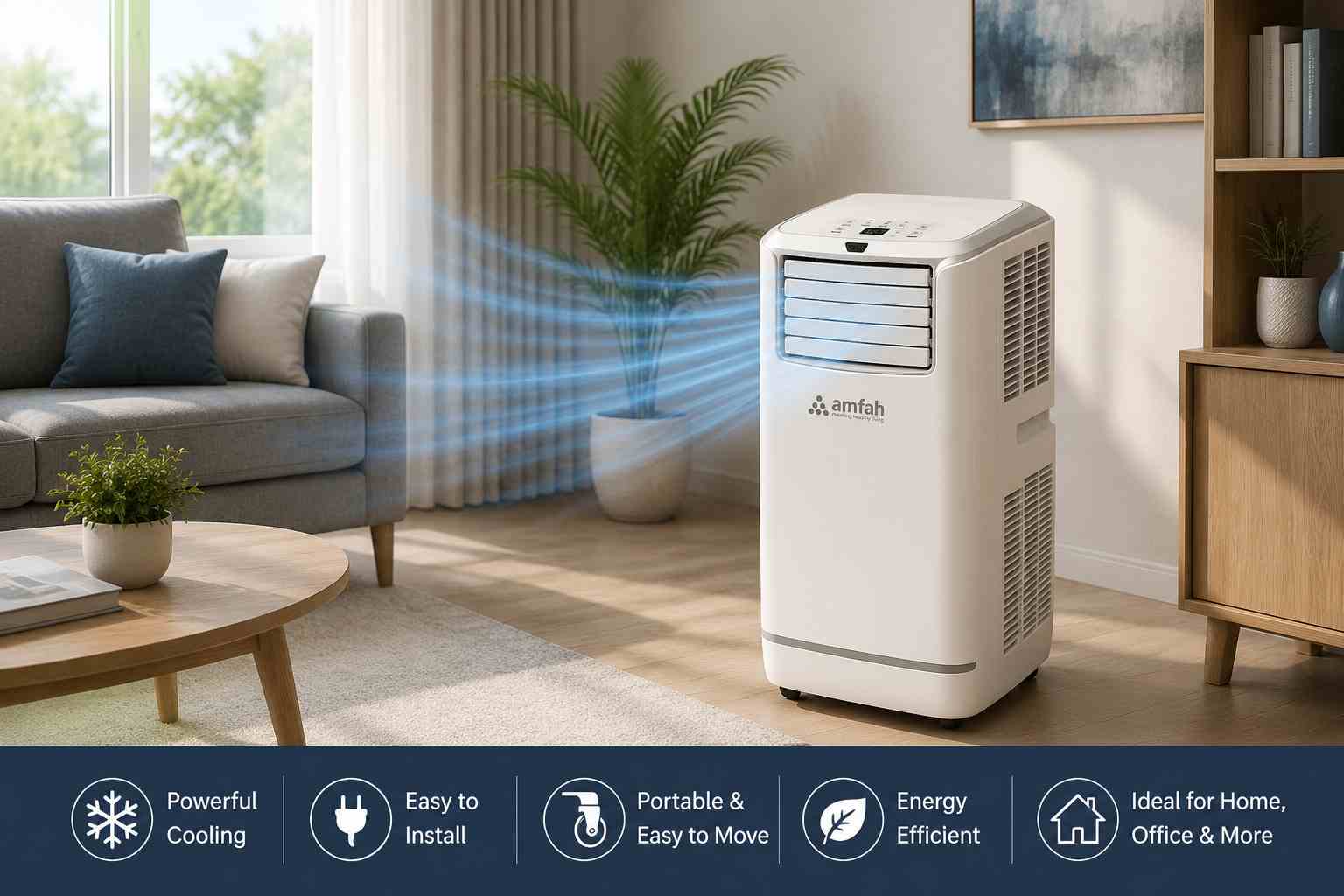
One reason portable ACs are becoming easier for people to understand is their simple design. The unit sits inside the room, the user connects the exhaust hose to the appropriate window kit or opening, and the machine draws warm indoor air, cools it, and sends the cooled air back into the room while the extracted heat is exhausted outside.
There is still a setup involved. A portable AC isn't simply a machine that can be placed anywhere with no ventilation. The exhaust needs to be installed correctly for the unit to work properly. But compared with a permanent split AC installation, the process is much less disruptive.
India's Growing Need for Flexible Cooling
The demand for cooling in India is also being influenced by hotter weather and longer periods of uncomfortable heat. Recent reporting has highlighted increasing electricity demand linked to air-conditioning use during hot periods in India.
But the answer isn't always to install a permanent AC in every room. People are looking for cooling solutions that fit their homes, budgets and lifestyles:
- A rented apartment has different requirements from an owned bungalow.
- A small office has different requirements from a large corporate building.
- A temporary workspace has different requirements from a permanent home.
Portable ACs fit into this changing picture because they provide another way to approach cooling.
Small Homes Are Another Reason Portable AC Is Getting Attention
Indian cities are becoming more crowded, and many people live in apartments where space is limited. Not every home has a convenient place for an outdoor AC unit. Not every room is easy to modify. And not every homeowner wants visible pipes running through carefully designed interiors.
A portable AC can be placed inside the room without mounting a large indoor unit on the wall. For people looking for a more flexible approach, this can be a practical alternative.
Portable AC and Monsoon Humidity
India doesn't only have hot summers. The monsoon brings another problem — humidity. A room can feel uncomfortable even when the temperature isn't extremely high. The air may feel heavy and sticky because of the moisture present in it.
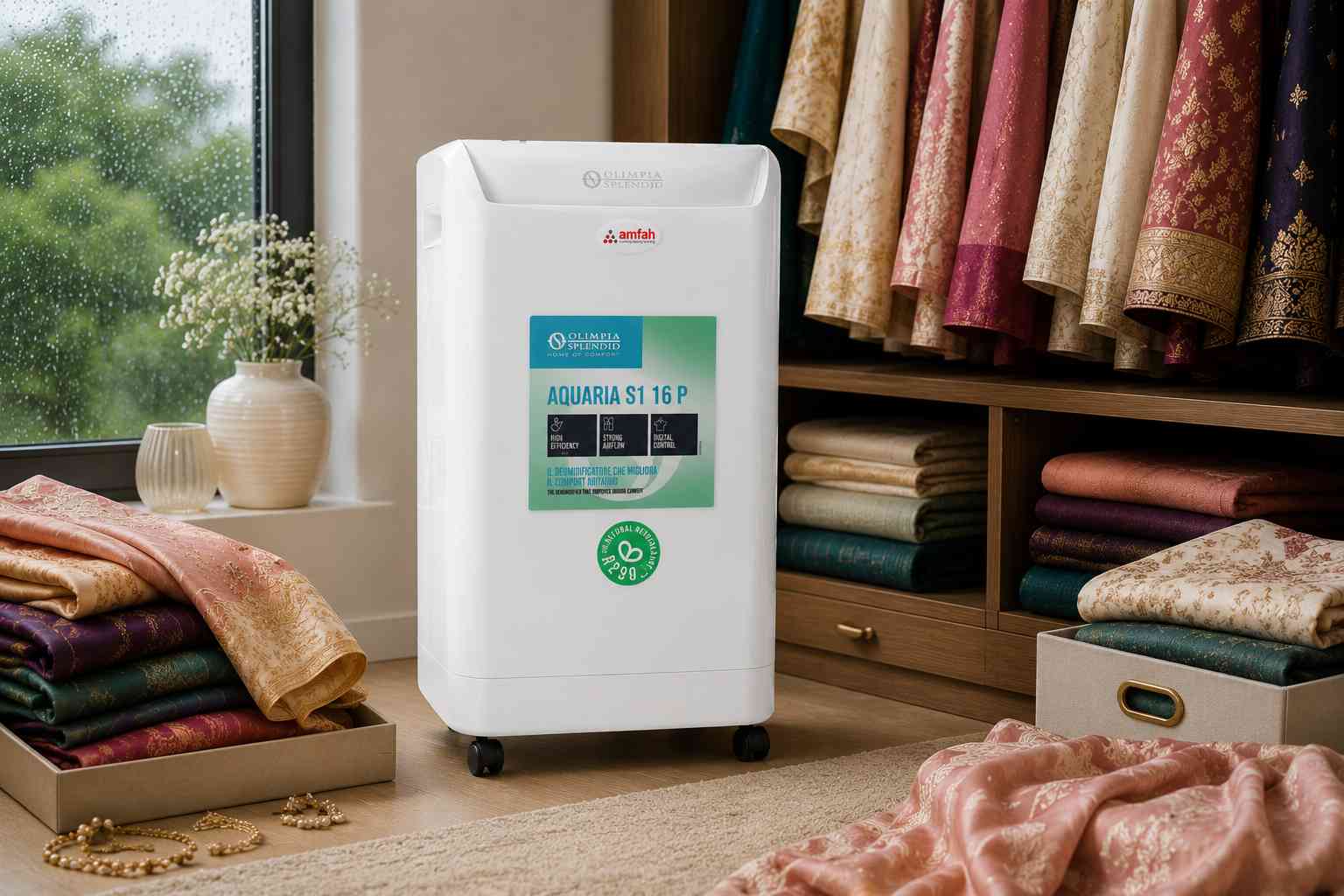
Portable ACs can remove some moisture while they cool, and some models also offer dehumidification modes. This can be useful in humid weather.
However, cooling and humidity control are still two different things. If excess moisture is the main problem in a home, wardrobe, storage room or office, a dedicated dehumidifier is designed specifically to control that moisture.
For Indian homes and businesses, understanding both temperature and humidity can help create a much more comfortable indoor environment.
Why Portable AC Is More Than a Temporary Solution
Portable ACs were once viewed mainly as something you use when a normal AC cannot be installed. That perception is changing.
Today, people are actively choosing portable cooling because they want flexibility:
- They want something that can work in a rented home.
- They want something they can move.
- They want to avoid permanent wall modifications.
- They want cooling for temporary offices and workspaces.
- They want a solution that doesn't depend on installing an outdoor unit.
That doesn't make portable AC suitable for every possible building. It simply means that modern cooling needs are changing, and portable air conditioning is becoming a more practical part of that conversation.
The Portable AC Trend Is Just Beginning
Think about how quickly our lifestyles have changed. People work from home, rent homes for shorter periods, businesses move offices, students move cities, families relocate for work, and commercial spaces change their layouts.
Cooling systems need to fit these changes. This is where portable AC has a natural advantage. Instead of asking the building to adapt permanently to the air conditioner, the cooling system can adapt to the space. That is a very different way of thinking about air conditioning.
Why More Indians Are Choosing Portable Cooling
The rise of portable AC in India isn't happening because people suddenly stopped using split ACs. It's happening because there are situations where a fixed AC isn't the easiest solution:
- For a renter: Avoiding permanent wall work can be important.
- For an office: Being able to move the unit can be useful.
- For a temporary workspace: Permanent installation may not make sense.
- For frequent relocations: Portability can save a lot of hassle.
- For businesses: Flexible cooling makes it easier to respond when the workspace changes.
Portable AC gives people another choice. And as Indian homes, offices and lifestyles continue to change, that choice is becoming increasingly relevant.
A New Chapter in Cooling
The future of cooling isn't necessarily about one type of air conditioner replacing another. It's about having the right solution for different situations. Some spaces need permanent cooling; others need flexibility. Some buildings allow extensive installation; others don't. Some people own their homes; others rent. And some businesses need cooling today but may move tomorrow.
AMFAH portable AC solutions are designed for people and businesses looking for flexible cooling without the complexity of a traditional permanent installation. With a movable design and a simpler setup, portable AC gives you the freedom to take your cooling solution with you as your space and requirements change.
The rise of portable AC in India is really about one simple idea: Cooling should fit your life, not the other way around.
Explore AMFAH Portable Air Conditioners & Solutions