Buying GuidesAugust 29, 20267 min read
What Size Dehumidifier Do I Need?
Find out what size dehumidifier you need for your room based on room size, humidity levels, moisture sources, and usage. A simple guide for Indian homes and offices.
 |The Most Preferred Brand on the Government e-Marketplace (GeM) Portal
 |The Most Preferred Brand on the Government e-Marketplace (GeM) Portal.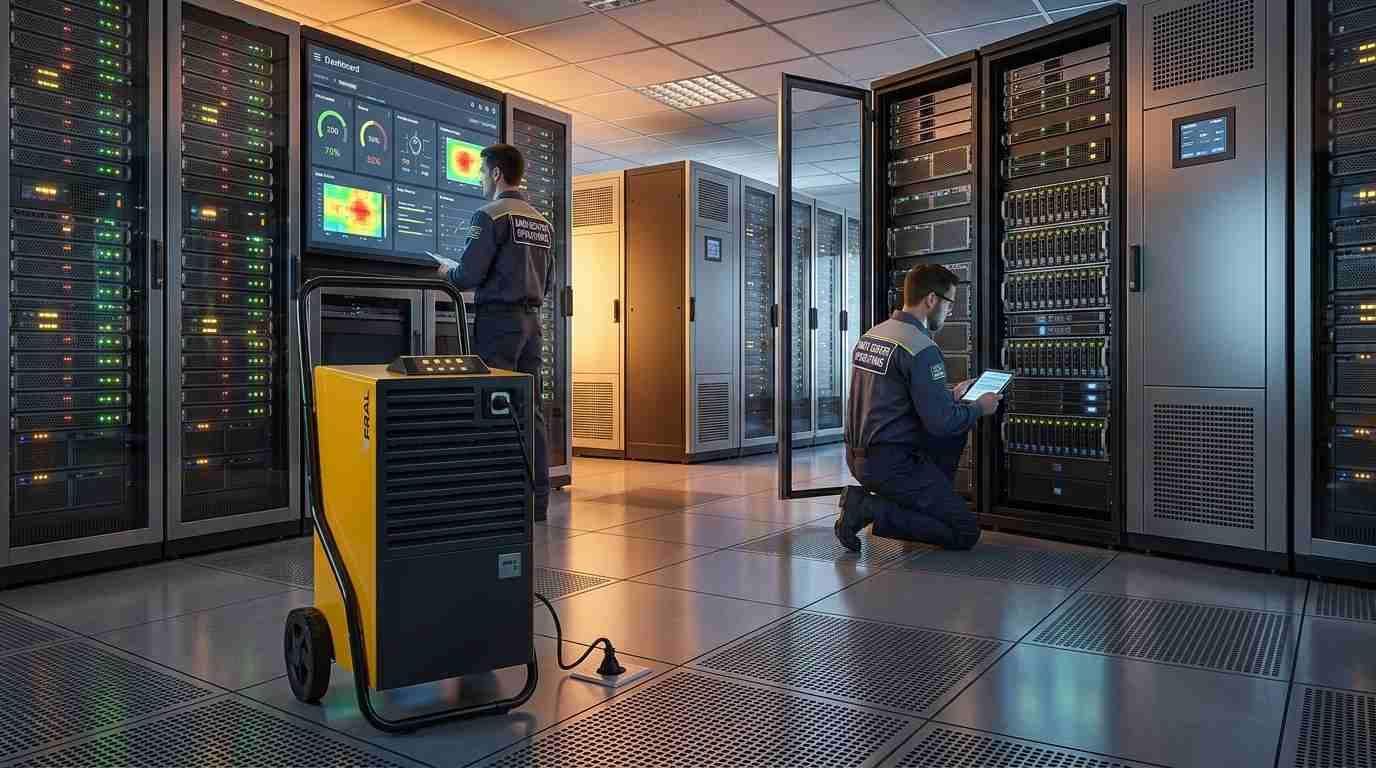
Learn why humidity control is essential in data centers. Discover how commercial dehumidifiers protect servers, networking equipment, and IT infrastructure from moisture, corrosion, and downtime.
Companies today really need data centers to keep things like websites, cloud services, banking systems, healthcare records, online shopping platforms and business applications running all the time.
Inside a data center you have thousands of servers and networking devices that work all the time to process and store information. People usually talk about cooling systems. Humidity is just as important for keeping this equipment safe.
Too much moisture, in the air can be just as bad as it getting too hot. If data centers do not control the humidity they have a chance of getting corroded having water condense, equipment failing and stopping work without warning. The American Society of Heating Refrigerating and Air-Conditioning Engineers recommends that data centers control both the temperature and the moisture because both of these things affect how well the equipment works over a time.
Humidity cannot be seen, but it constantly affects electronic equipment.
When warm, humid air enters a server room, moisture can settle on metal components, connectors, and circuit boards. Over time, this invisible moisture may lead to corrosion and reduce the reliability of expensive IT equipment.
In coastal cities or during the monsoon, the challenge becomes even greater because outdoor air naturally contains much more moisture.
Servers, storage systems, switches, and networking equipment contain thousands of sensitive electronic connections.
High humidity can accelerate corrosion on metal surfaces and electrical contacts, increasing the likelihood of hardware failures and reducing equipment life.
When humid air comes into contact with cooler surfaces, water droplets can form.
Even small amounts of condensation inside electronic equipment can lead to short circuits, unexpected shutdowns, and costly repairs.
Humidity-related damage often develops slowly.
Connectors, cables, and electronic components may require frequent replacement, increasing maintenance expenses and reducing overall system reliability.
A single equipment failure can interrupt business operations, affect customer services, and result in financial losses.
For organizations that operate around the clock, maintaining a stable environment is just as important as maintaining reliable power.
Many people believe that air conditioning alone is enough for a data center.
Air conditioners primarily reduce temperature. While they remove some moisture during cooling, they are not always designed to maintain precise humidity levels, especially in regions with high humidity or during the monsoon.
This is why many modern data centers use dedicated humidity control systems alongside their cooling infrastructure.
A commercial dehumidifier continuously removes excess moisture from the air, helping maintain a stable environment throughout the year.
Instead of allowing humidity to rise during rainy weather or seasonal changes, the system keeps moisture under control before it becomes a problem.
This creates a safer environment for servers, networking equipment, storage devices, and other critical IT infrastructure.
Maintaining the right humidity provides advantages throughout the entire facility.
Commercial dehumidifiers are commonly used in:
Any environment that houses critical electronic equipment can benefit from proper humidity control.
Every data center has different cooling loads, equipment density, and environmental conditions.
Factors such as room size, server heat output, outdoor climate, ventilation, and operating hours all influence the humidity control requirements. Selecting the correct commercial dehumidifier ensures consistent performance throughout the year while supporting reliable IT operations.
Industry guidance often recommends monitoring both humidity and dew point rather than focusing only on temperature, as moisture control plays a key role in equipment reliability.
AMFAH commercial dehumidifiers are designed to help maintain stable humidity levels in mission-critical environments such as data centers and server rooms.
By removing excess moisture from the air, AMFAH helps reduce the risk of corrosion, condensation, and humidity-related equipment damage. The result is a cleaner, more reliable environment that supports continuous operations and protects valuable IT infrastructure throughout the year.
A data center is more than a room full of servers, it's the foundation of modern business operations.
While temperature control is essential, humidity control is equally important for protecting sensitive electronic equipment. Excess moisture can quietly damage components, increase maintenance costs, and lead to costly downtime.
Investing in a commercial dehumidifier helps create a stable environment where servers operate more reliably, equipment lasts longer, and businesses can continue running with confidence, regardless of the weather outside.
Find out what size dehumidifier you need for your room based on room size, humidity levels, moisture sources, and usage. A simple guide for Indian homes and offices.
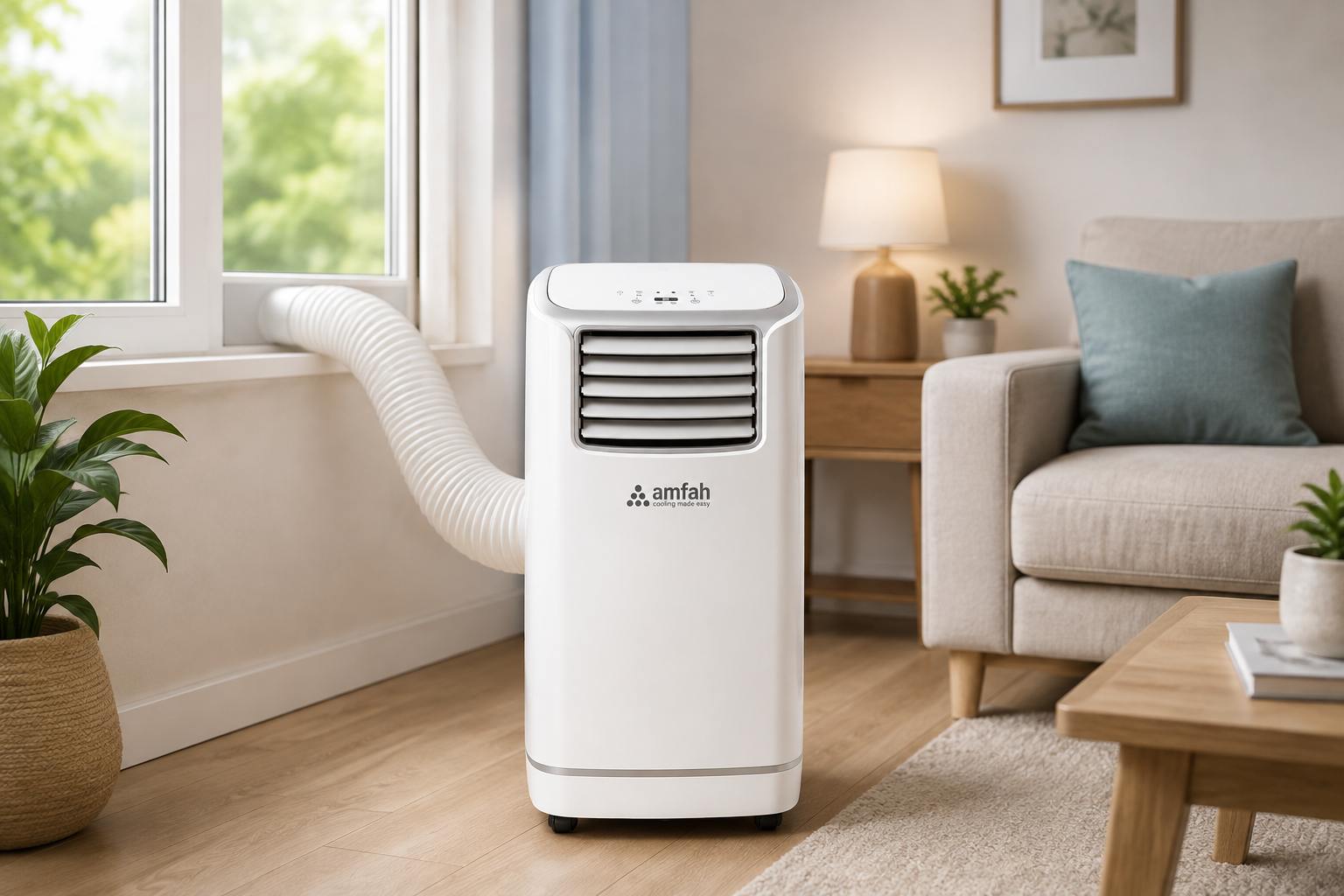
Discover why portable ACs are becoming popular in India and how they offer flexible cooling for homes, rental properties, offices, and commercial spaces.
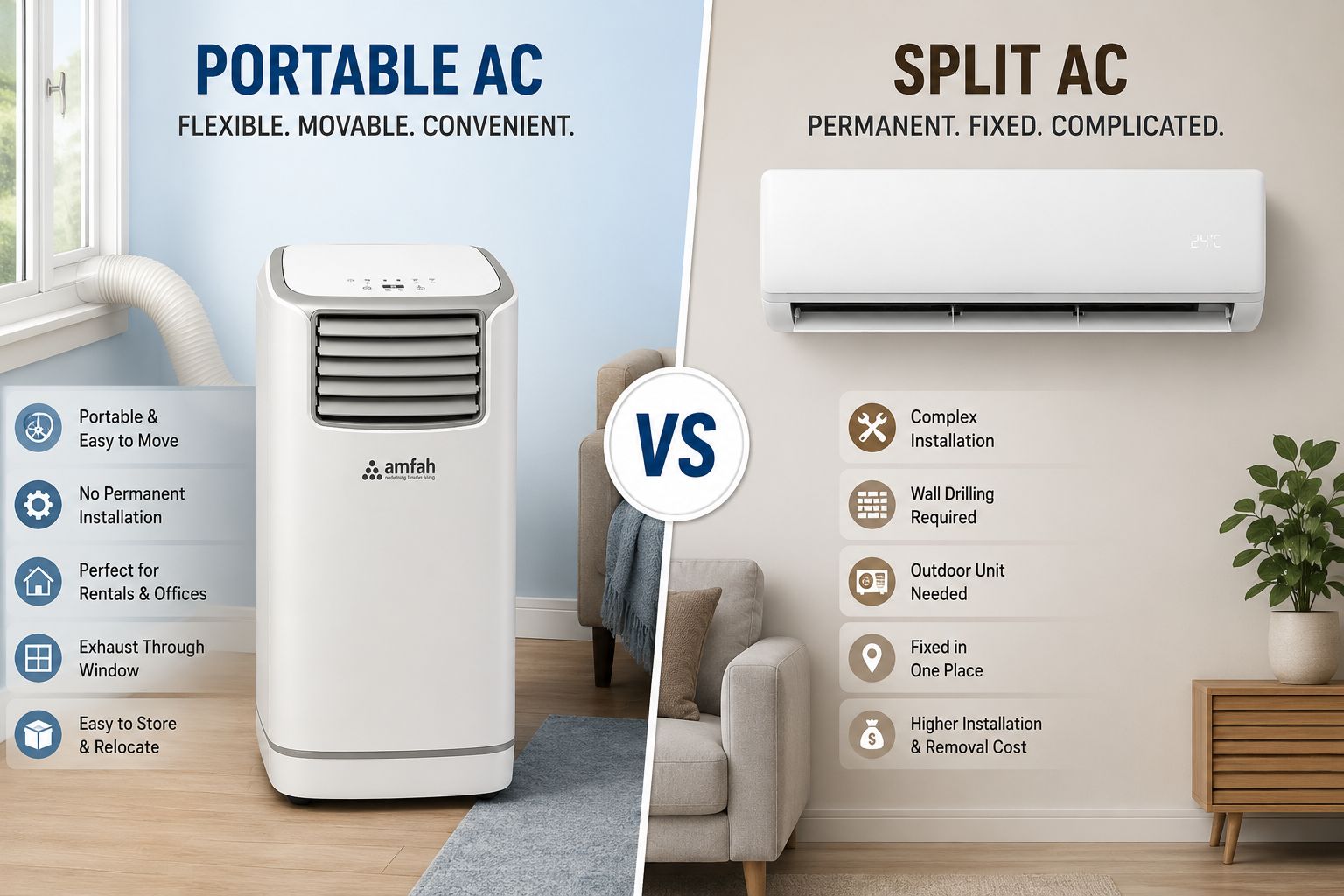
Compare portable AC vs split AC to understand installation, portability, wall damage, cooling, and why portable AC is a practical choice for homes, offices, and rental spaces.
Our Senior indoor air consultants are online to draft complete thermodynamic calculations for industrial cleanrooms, warehouses, data grids, or residential spaces.