
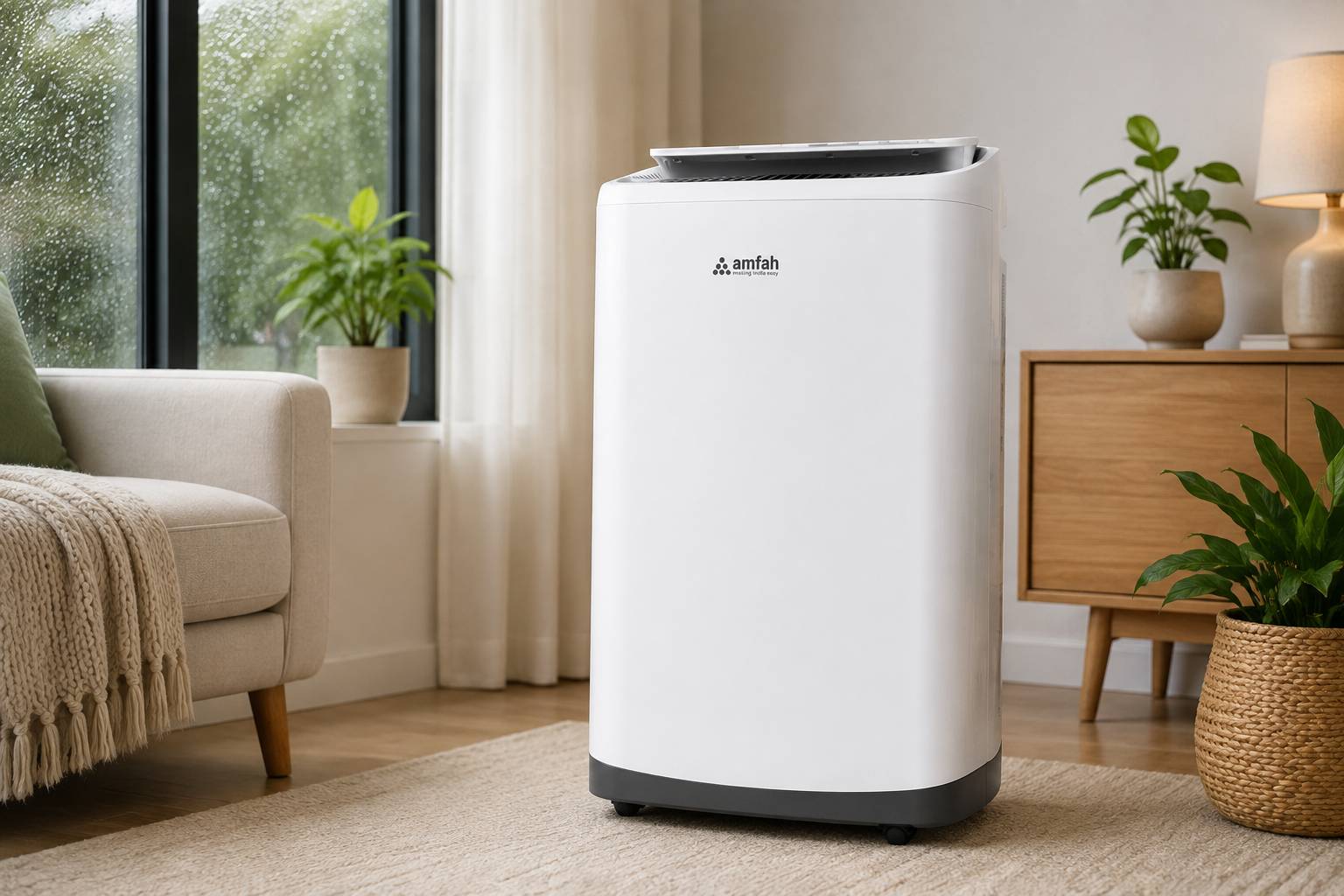
Buying GuidesAugust 29, 20267 min read
What Size Dehumidifier Do I Need?
Find out what size dehumidifier you need for your room based on room size, humidity levels, moisture sources, and usage. A simple guide for Indian homes and offices.
 |The Most Preferred Brand on the Government e-Marketplace (GeM) Portal
 |The Most Preferred Brand on the Government e-Marketplace (GeM) Portal.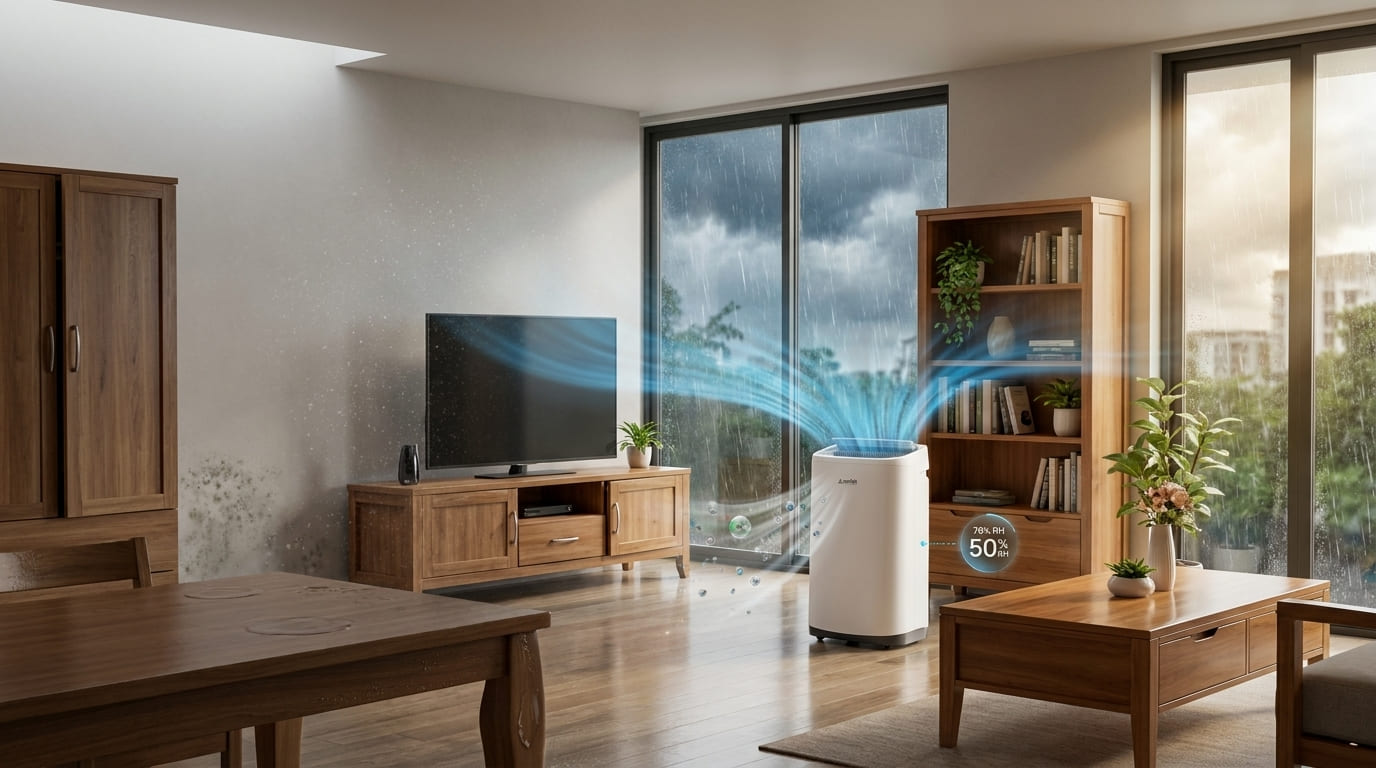
Monsoon humidity can silently damage your wooden furniture. Learn why wood swells, how moisture causes hidden damage over time, and the best ways to protect your home investments during the rainy season.
Wood is a natural material that constantly reacts to the environment around it. During the monsoon, the amount of moisture in the air increases significantly. Unlike plastic or metal, wood absorbs this moisture, which can gradually change its shape, strength, and appearance.
Wood is a hygroscopic material, meaning it absorbs moisture from humid air and releases it when the air becomes dry. During India's rainy season, indoor humidity often rises above the ideal level, especially in homes with poor ventilation or in coastal cities.
As the wood absorbs moisture, it expands. When the humidity drops again, it contracts. This continuous movement puts stress on the furniture over time.
When indoor humidity rises above 60%, wooden fibres begin absorbing excess moisture.
You may notice:
These are some of the first signs that humidity is affecting your furniture.
The biggest problem isn't swelling—it's the constant cycle of expansion and contraction.
During the monsoon, wood absorbs moisture and expands. Later, air conditioners or dry weather remove that moisture, causing the wood to shrink again. Repeating this cycle over several months can weaken joints, loosen screws, create small cracks, and reduce the overall lifespan of the furniture.
When indoor humidity rises above 70%, mold and mildew begin to grow on wooden surfaces.
You may see:
Besides damaging furniture, mold can also affect indoor air quality and create an unpleasant environment.
Furniture in India experiences one of the toughest climate cycles.
During the monsoon, high humidity causes wood to expand. In summer or air-conditioned rooms, the wood dries and contracts again. This constant movement slowly weakens furniture and can shorten its lifespan if humidity is not controlled.
Experts recommend maintaining indoor humidity between 45% and 55%.
You can monitor humidity with a digital hygrometer and reduce excess moisture by improving ventilation, using an air conditioner in Dry Mode, or installing a dehumidifier. While silica gel packs help inside wardrobes and drawers, they are not sufficient for controlling the humidity of an entire room.
A dehumidifier provides the most effective long-term solution by maintaining stable humidity levels and protecting wooden furniture, electronics, books, and other valuable household items throughout the monsoon season.
AMFAH dehumidifiers are designed to handle India's humid climate efficiently. Whether you want to protect your furniture, reduce dampness, improve indoor air quality, or create a healthier home environment, AMFAH offers reliable humidity control solutions for every requirement.
With intelligent humidity control, energy-efficient operation, quiet performance, and modern designs, AMFAH dehumidifiers help safeguard not only your furniture but your entire home.
Monsoon humidity can silently damage furniture long before visible signs appear. Wooden cabinets may swell, leather furniture can develop unpleasant odors, mold may spread inside wardrobes, and expensive furnishings may lose their original finish.
Fortunately, most of these problems are preventable. Maintaining proper indoor humidity, improving ventilation, and using a reliable dehumidifier can significantly reduce moisture-related damage.
Protecting your furniture isn't just about preserving its appearance—it's about protecting the investment you've made in creating a comfortable and beautiful home. With the right humidity control, you can enjoy the monsoon season without worrying about the lasting effects of excess moisture.
Find out what size dehumidifier you need for your room based on room size, humidity levels, moisture sources, and usage. A simple guide for Indian homes and offices.
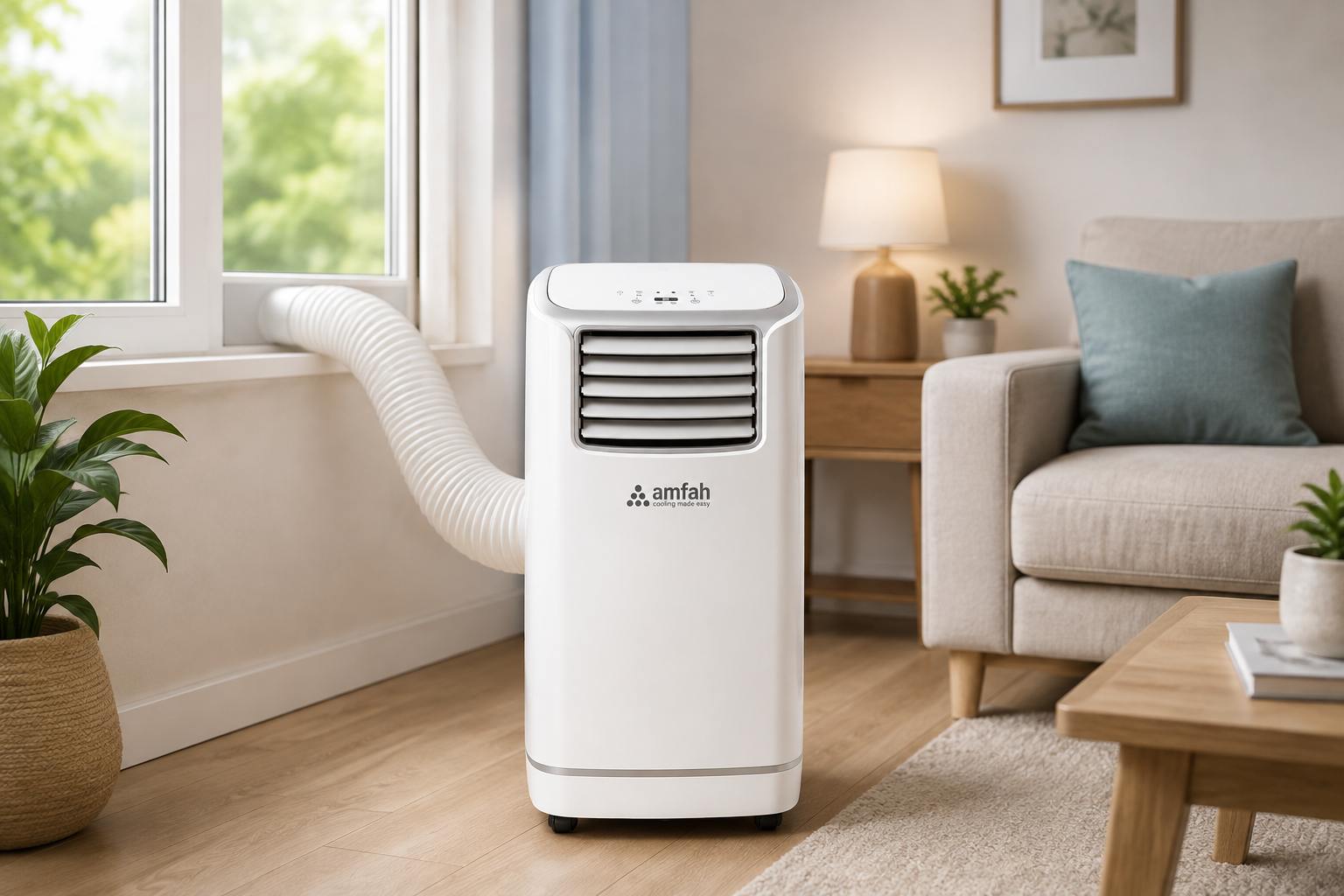
Discover why portable ACs are becoming popular in India and how they offer flexible cooling for homes, rental properties, offices, and commercial spaces.
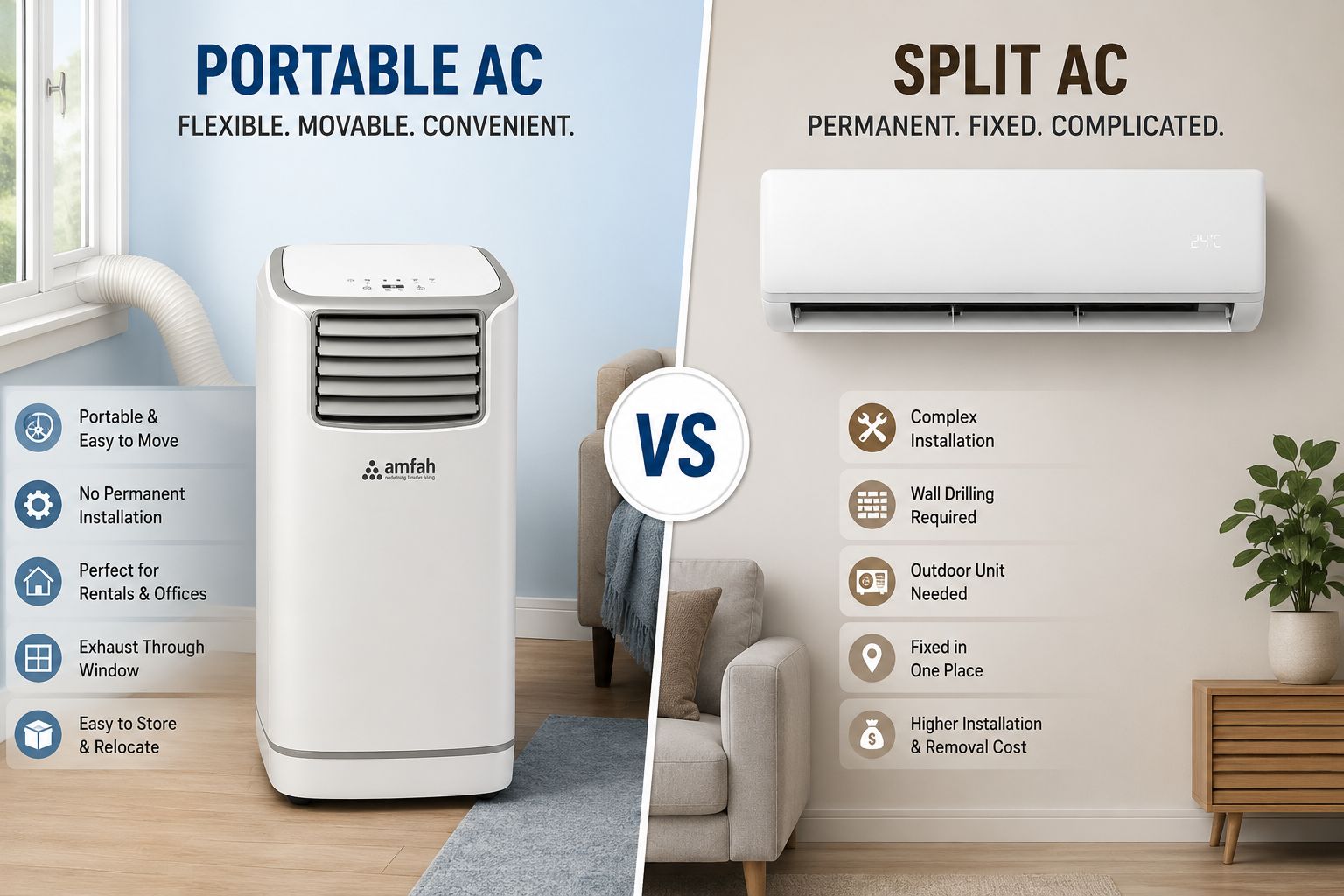
Compare portable AC vs split AC to understand installation, portability, wall damage, cooling, and why portable AC is a practical choice for homes, offices, and rental spaces.
Our Senior indoor air consultants are online to draft complete thermodynamic calculations for industrial cleanrooms, warehouses, data grids, or residential spaces.