Buying GuidesAugust 29, 20267 min read
What Size Dehumidifier Do I Need?
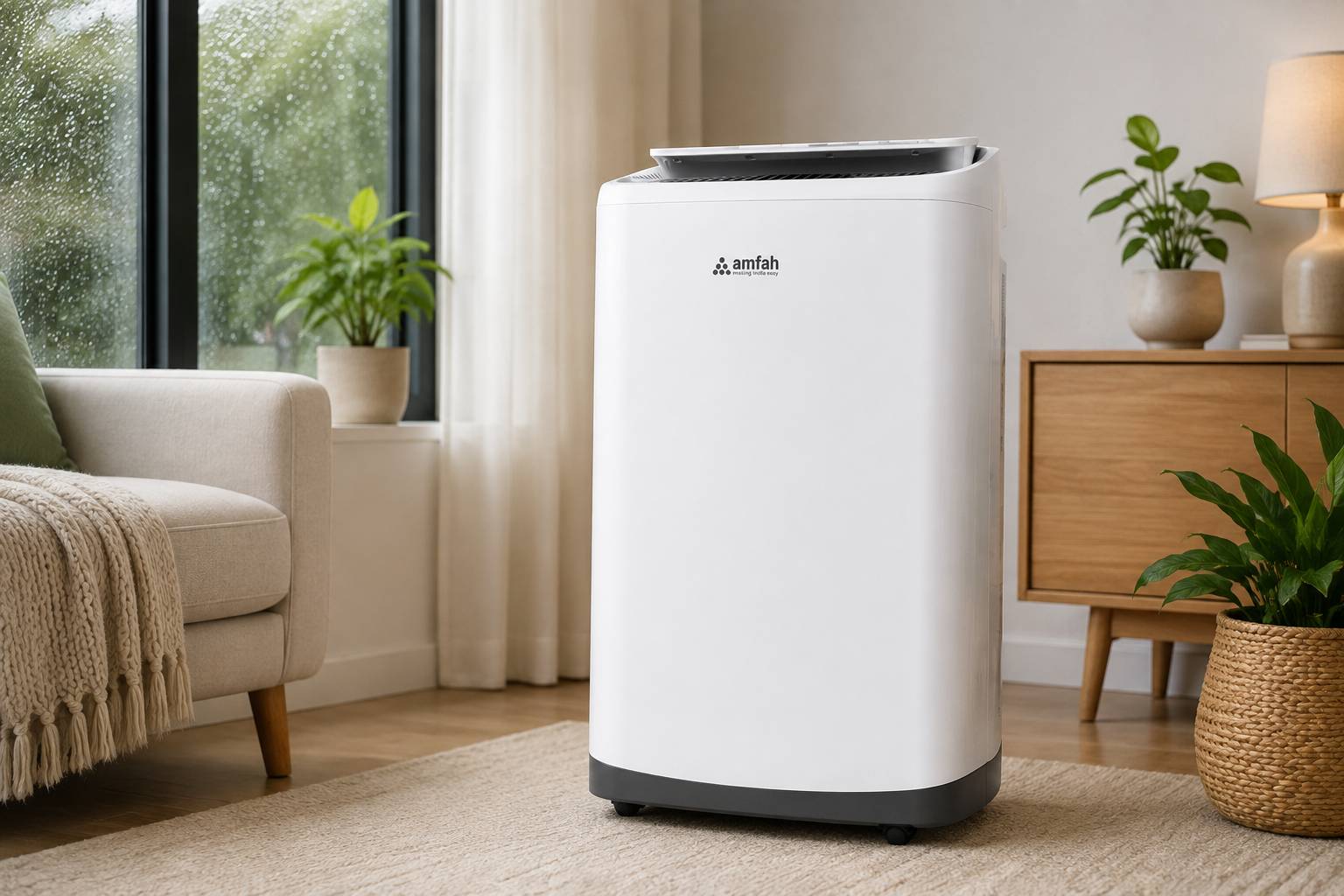
Find out what size dehumidifier you need for your room based on room size, humidity levels, moisture sources, and usage. A simple guide for Indian homes and offices.
 |The Most Preferred Brand on the Government e-Marketplace (GeM) Portal
 |The Most Preferred Brand on the Government e-Marketplace (GeM) Portal.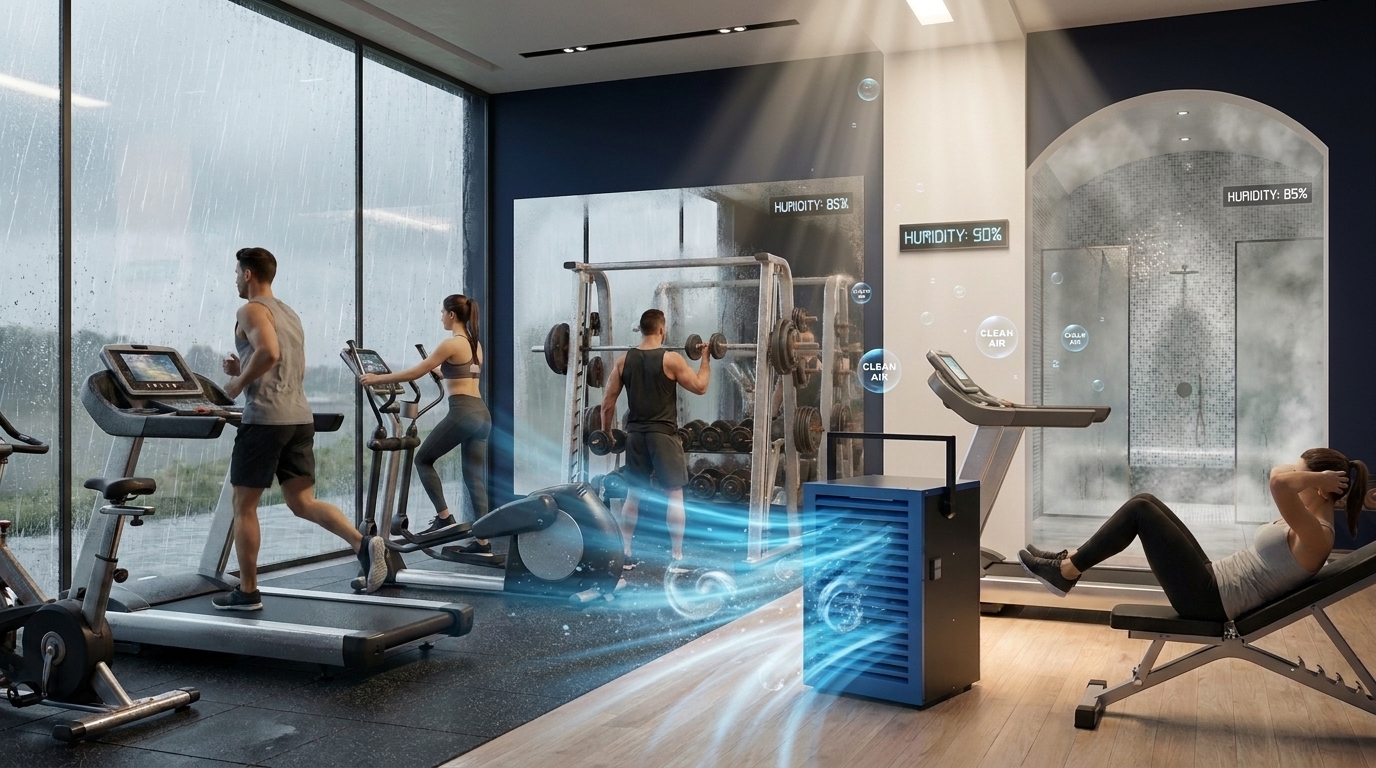
High humidity in gyms and spas can cause rust on premium cardio machines, mold in lockers, and structural decay. Discover how commercial dehumidifiers protect equipment, ensure patron health, and maintain operational efficiency.
Fitness centers, gyms, and spas are naturally high-humidity environments. Without proper relative humidity control, the moisture generated from sweat, showers, steam rooms, and saunas can cause extensive rust on premium cardio equipment, foster mold in locker rooms, and lead to structural decay. Discover why commercial dehumidification is essential for protecting your business assets and ensuring patron health.
Gyms and spas are made for people to get healthy and feel good. The things people do inside them make the air very wet. One person working out in a gym can sweat a lot up to one and a half liters in one hour. When you add the wet air from the showers steam rooms and pools the air inside gets very humid, often more than 75%.
When the air inside stays very humid it can slowly damage the gym and spa. This can cause problems like equipment breaking down lockers getting moldy and paint peeling off the walls. All these problems can cost the people who own gyms and spas a lot of money to fix. That is why it is an idea to buy a strong dehumidifier for the gym and spa. This helps keep the place clean, dry and safe for people to use. Gyms and spas need to have a dehumidifier to keep the air dry and prevent damage, to the facilities and assets like the equipment and the buildings themselves gyms and spas can stay in good condition with a commercial dehumidifier.
A dehumidifier is an electrical appliance designed to extract excess moisture from the surrounding air, helping to maintain a balanced and healthy level of relative humidity. It works by drawing in damp indoor air, passing it over cold coils to condense the water vapor into a collection tank or drain, and then reheating the dry air to room temperature before dispersing it back into the space. This process is essential for preventing mold, musty odors, rust, and structural degradation in spaces prone to high moisture levels.
Buying gym equipment is a big deal. One treadmill or one strength machine can be really expensive. When the air is too humid it can hurt these machines.
Rusting of iron weights and steel frames is a problem: Things like barbells and dumbbells are made of metal. When the air is humid it makes them rust faster. Rust makes the parts that move get stuck, squeaky. They can break easily.
Electronic display panels can stop working: Modern machines like treadmills have a lot of electronics inside them like touch screens and heart rate sensors. When the air is damp it can get inside these machines. Cause short circuits, which can be expensive to fix.
The upholstery on the equipment can get damaged: Benches and rollers are covered in vinyl or leather. When they get wet and people sweat on them they can start to crack and smell bad. Bacteria can also grow on them.
The drive belts and cables can get worn out: When the air is too humid it can make the belts and pulleys weak. This can cause them to slip, wear out fast and even be a safety hazard when people are working out on the gym equipment. The commercial gym equipment can get damaged in ways and high humidity is a big problem, for commercial gym equipment.
Gym members expect a fresh, clean environment when they exercise. High humidity negatively affects the user experience in several ways:
Many fitness center operators try to solve the moisture problem by running their air conditioners at full blast or installing exhaust fans. However, this is neither effective nor economical:
Air Conditioners (ACs) are designed to cool the air, not remove large volumes of humidity. When ACs try to remove moisture, they consume immense amounts of electricity and can make the room uncomfortably cold for working out. Furthermore, when the AC turns off once the target temperature is reached, the humidity immediately surges back.
Exhaust and Ventilation systems simply replace the indoor air with outdoor air. During hot, humid summers or rainy monsoon seasons, ventilation actually pulls more humid air into your facility, worsening the problem.
Commercial-grade dehumidifiers are specifically engineered to extract tens or hundreds of liters of water per day from large spaces. Here is how they protect your business:
In the competitive fitness and wellness industry, facility hygiene and equipment quality are critical to retaining premium members. Letting moisture damage your treadmills, rust your weight plates, and create mold in your locker rooms can damage your brand's reputation and result in expensive repairs.
By installing a high-capacity AMFAH commercial dehumidifier, you can safeguard your equipment investment, ensure a fresh-smelling environment, keep your floors dry and safe, and provide a premium experience for every member who walks through your door.
Find out what size dehumidifier you need for your room based on room size, humidity levels, moisture sources, and usage. A simple guide for Indian homes and offices.
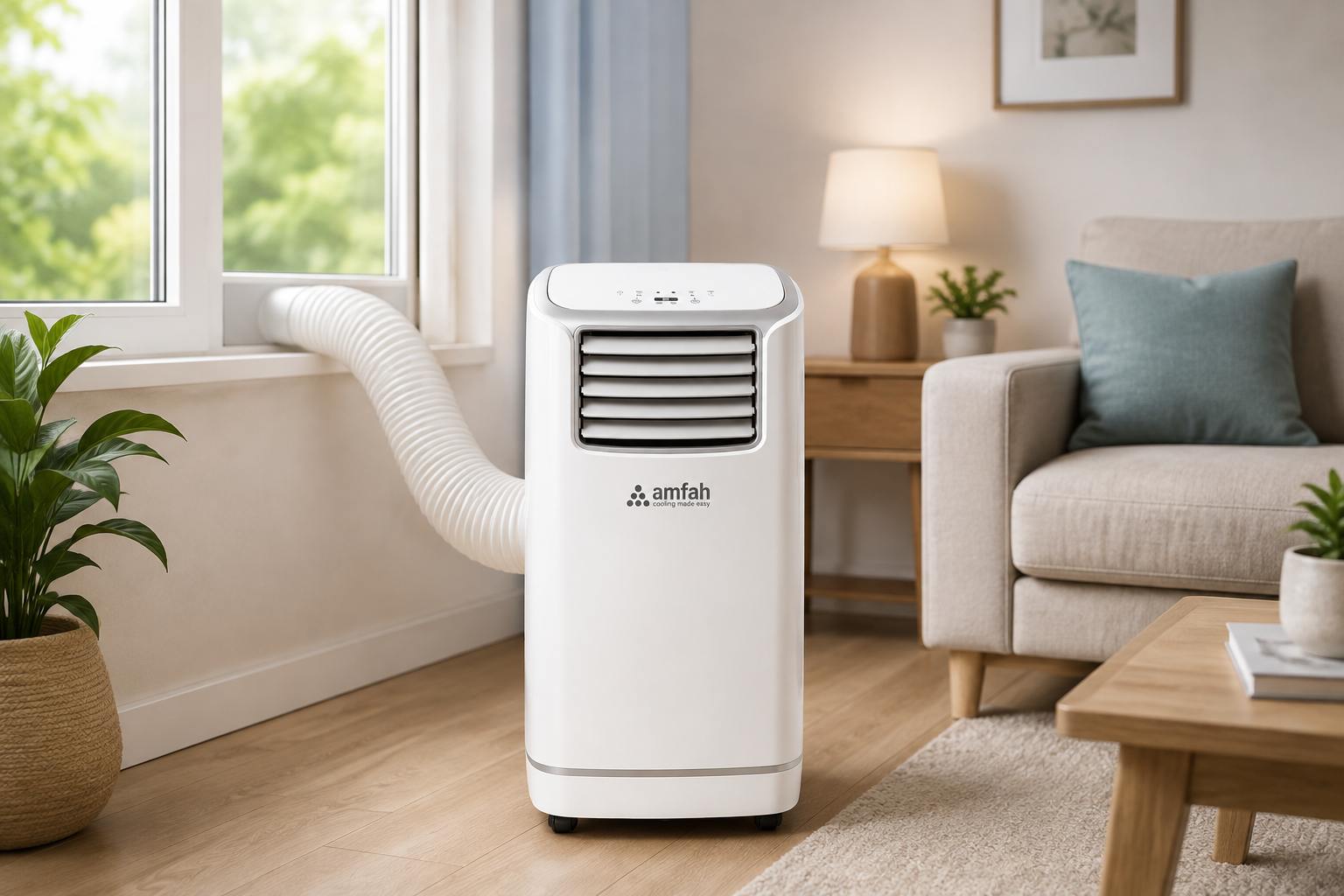
Discover why portable ACs are becoming popular in India and how they offer flexible cooling for homes, rental properties, offices, and commercial spaces.
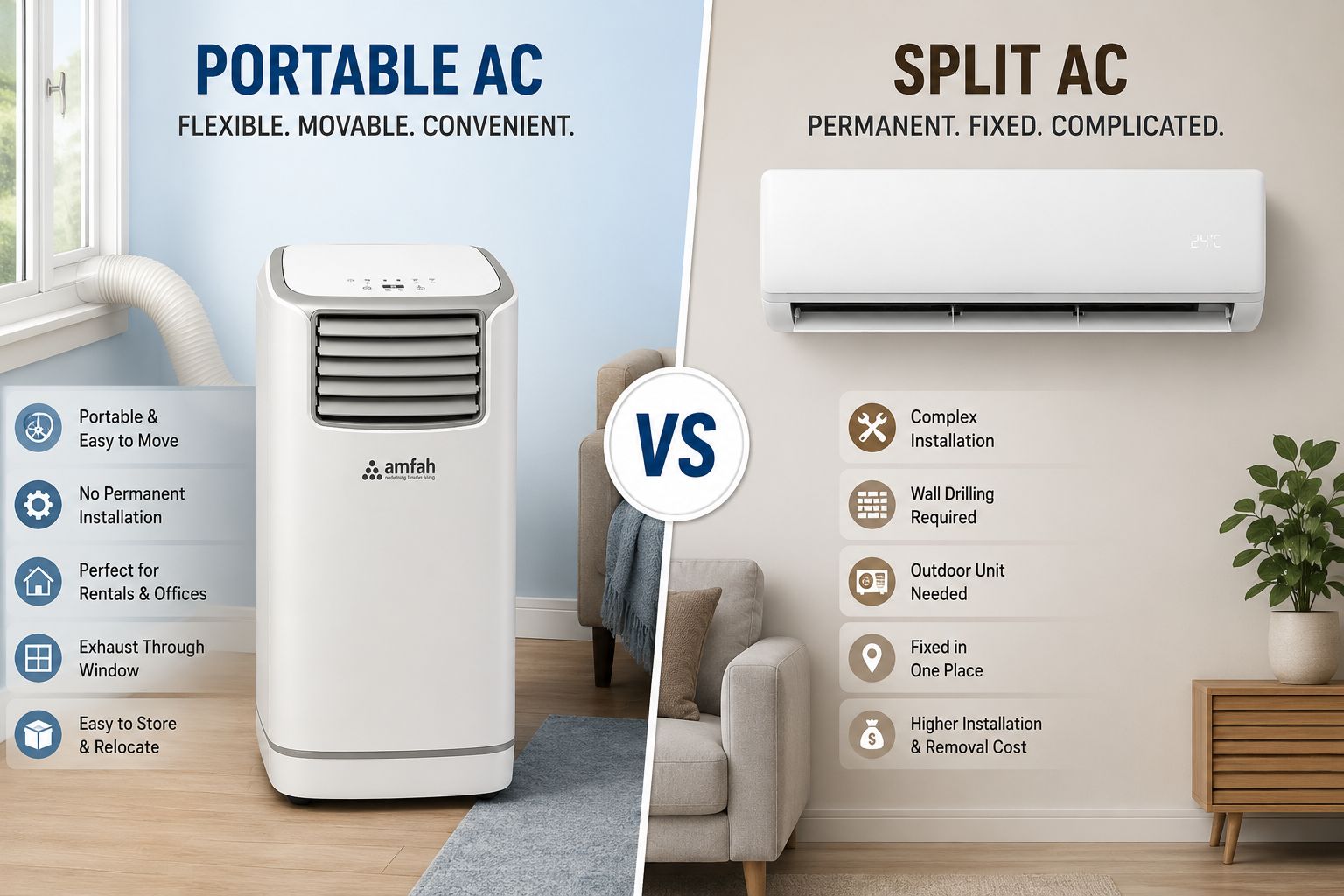
Compare portable AC vs split AC to understand installation, portability, wall damage, cooling, and why portable AC is a practical choice for homes, offices, and rental spaces.
Our Senior indoor air consultants are online to draft complete thermodynamic calculations for industrial cleanrooms, warehouses, data grids, or residential spaces.