
Buying GuidesAugust 29, 20267 min read
What Size Dehumidifier Do I Need?
Find out what size dehumidifier you need for your room based on room size, humidity levels, moisture sources, and usage. A simple guide for Indian homes and offices.
 |The Most Preferred Brand on the Government e-Marketplace (GeM) Portal
 |The Most Preferred Brand on the Government e-Marketplace (GeM) Portal.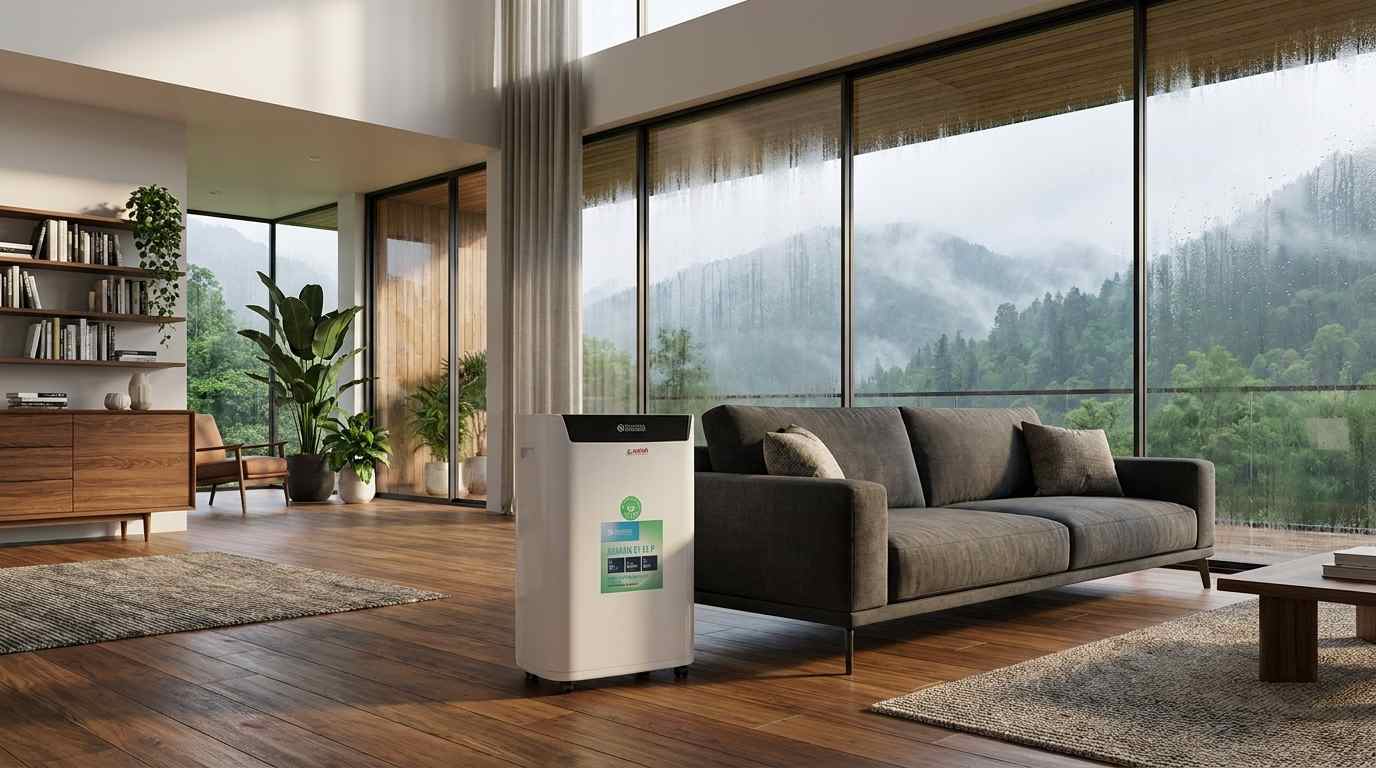
Farmhouses and hill homes face constant humidity from rain, fog, and open land. Learn the warning signs and how to protect your property.
A home in the hills, a peaceful farmhouse, or a weekend retreat surrounded by nature sounds perfect fresh air, greenery, and cool weather make these places feel like an escape.
But there's a catch most owners discover too late: these locations trap moisture far more than a typical city home does.
Elevation and greenery don't protect a home from moisture they usually invite more of it.
That last point matters more than owners realize. A home that's occupied daily gets some natural airflow from doors opening, fans running, and daily use. A property that sits shut for two or three weeks between visits has no such relief humidity simply accumulates, unnoticed, until you walk back in.
If you only visit your farmhouse or hill home occasionally, you're less likely to catch humidity problems early. Watch for these on arrival:
By the time these are visible, moisture has usually been building for weeks.
It's tempting to think running the AC on arrival solves the problem. It doesn't not fully.
An air conditioner is built to lower temperature, and moisture removal is just a side effect of that cooling process. In a hill home surrounded by fog and rain, or a farmhouse near open water, incoming humidity can outpace what a standard AC pulls out. That's why a hill home can feel pleasantly cool and still smell damp at the same time.
Unlike a city apartment in daily use, farmhouses and hill homes often hold seasonal furniture, artwork, or storage items that sit untouched for long stretches — exactly the conditions moisture needs to do lasting damage:
The EPA recommends keeping indoor humidity below 60%, ideally between 30–50%, to limit mold growth and moisture damage a target that's genuinely difficult to hold in a fog-prone hill property or a farmhouse near open land without active humidity control.
A dehumidifier works independently of temperature, it actively pulls moisture from the air whether the space is occupied or empty, hot or cool. For a property that isn't lived in every day, this matters far more than it does for a city home:
A hill cottage, a working farmhouse, and a weekend villa each face different humidity loads depending on elevation, surrounding land, and how often the property is used. AMFAH's residential dehumidifiers are sized and configured around exactly these factors, so the property stays protected whether you're there every weekend or once a season.
The appeal of a farmhouse or hill home is the very thing that makes it vulnerable nature, fresh air, and distance from the city all come with moisture that doesn't stay outside. Getting ahead of it with proper humidity control protects your investment and means the home is always ready the moment you walk back in.
Find out what size dehumidifier you need for your room based on room size, humidity levels, moisture sources, and usage. A simple guide for Indian homes and offices.
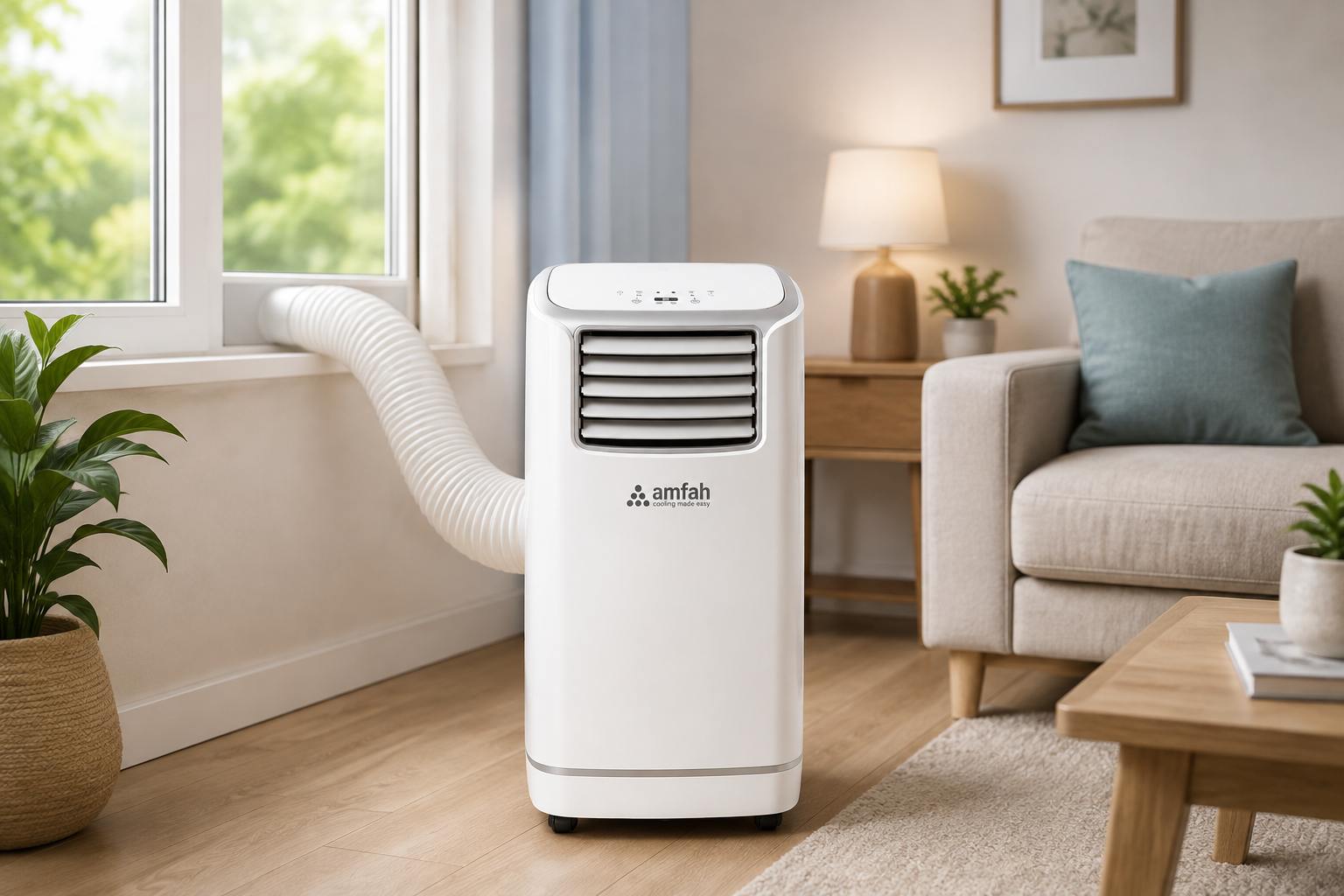
Discover why portable ACs are becoming popular in India and how they offer flexible cooling for homes, rental properties, offices, and commercial spaces.
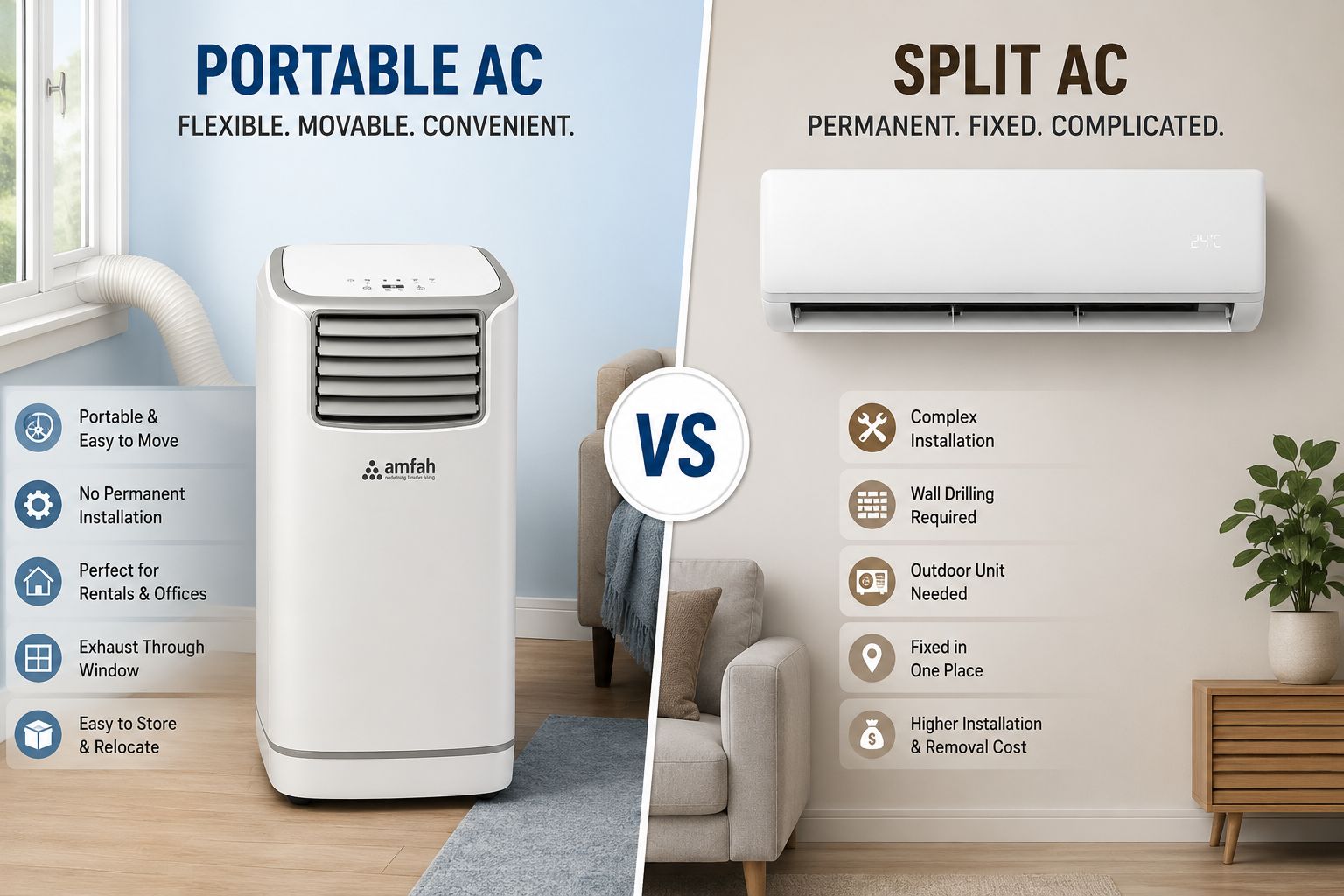
Compare portable AC vs split AC to understand installation, portability, wall damage, cooling, and why portable AC is a practical choice for homes, offices, and rental spaces.
Our Senior indoor air consultants are online to draft complete thermodynamic calculations for industrial cleanrooms, warehouses, data grids, or residential spaces.