
Buying GuidesAugust 29, 20267 min read
What Size Dehumidifier Do I Need?
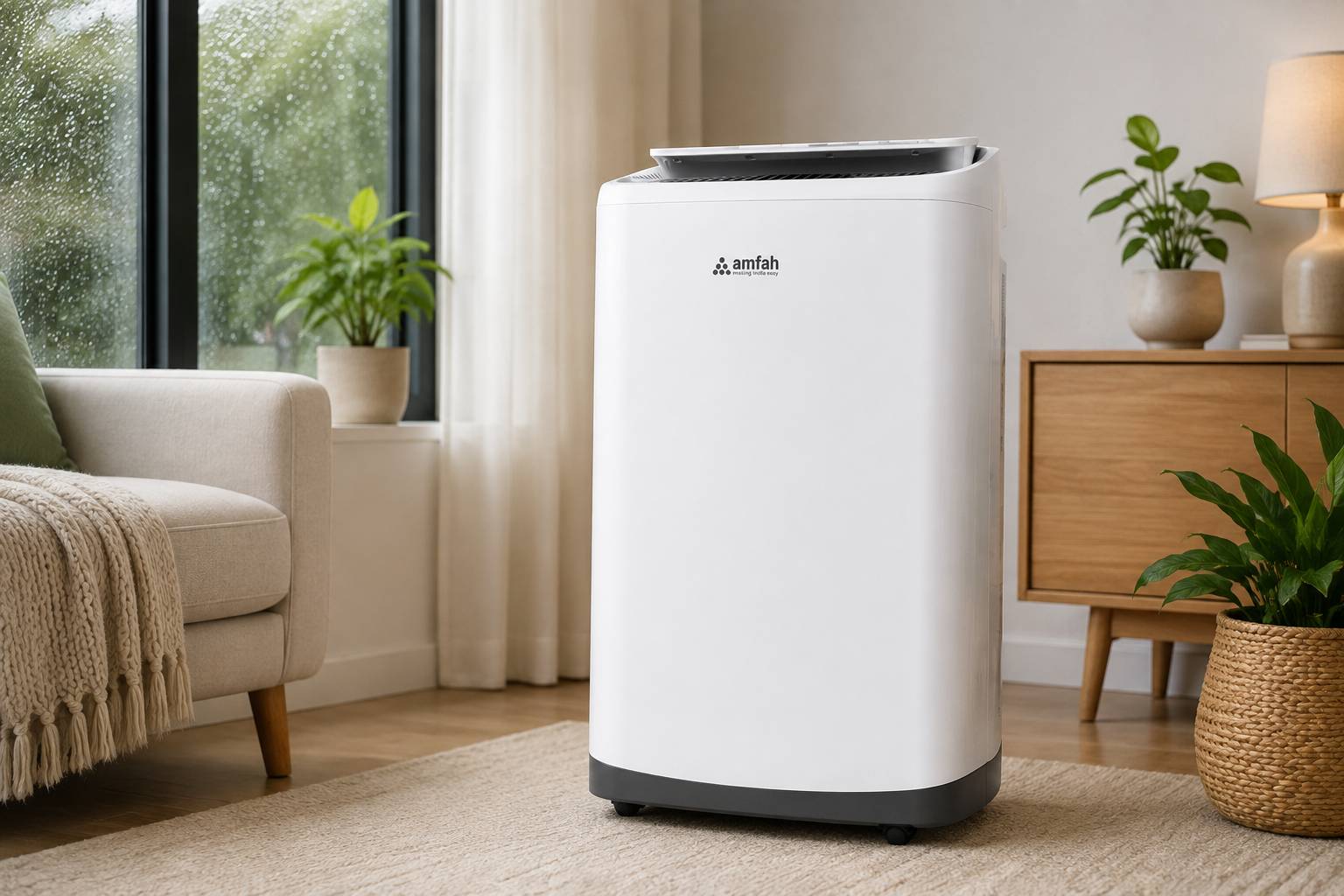
Find out what size dehumidifier you need for your room based on room size, humidity levels, moisture sources, and usage. A simple guide for Indian homes and offices.
 |The Most Preferred Brand on the Government e-Marketplace (GeM) Portal
 |The Most Preferred Brand on the Government e-Marketplace (GeM) Portal.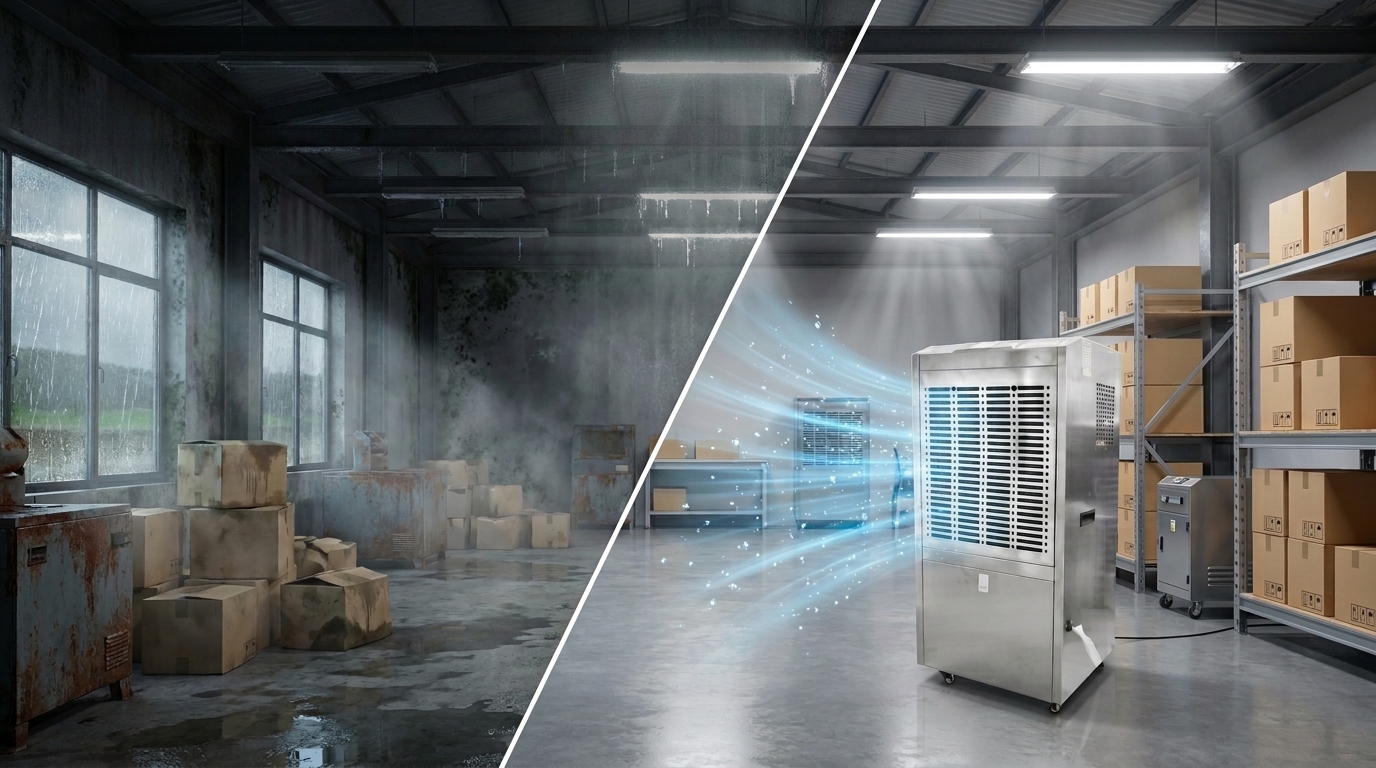
India's monsoon brings heavy rains and extreme humidity, posing severe threats to industrial setups. Learn why heavy-duty industrial dehumidifiers are crucial for protecting your machinery, raw materials, electronics, and packaging from moisture damage during the rainy season.
Monsoon season in India is beautiful, but for industries, it brings a hidden enemy: extreme humidity. When the air becomes heavy with moisture, it threatens machinery, raw materials, packaging, and final products. Here is a simple guide on why industrial dehumidifiers are not just helpful, but absolutely essential to keep your business running smoothly during the rainy season.
As the rains arrive, outdoor humidity levels easily shoot up to 80% or even 90%. While we might enjoy the cool breeze, this damp air sneaks into factories, warehouses, and cleanrooms. Without a proper system to control this moisture, it can lead to silent damage that costs companies lakhs of rupees in ruined stock and broken machines.
Too much moisture in the air isn't just uncomfortable; it behaves like a slow poison for industrial settings. Here are the most common issues businesses face during the monsoon:
Many business owners think that running air conditioners or turning on exhaust fans will solve the problem. Unfortunately, this is a common misunderstanding:
Ventilation simply pulls in the wet outdoor air, making the indoor environment even more humid. On the other hand, Air Conditioners are designed to cool the temperature, not control humidity. While they do remove some moisture as a side effect, they cannot achieve the low humidity levels required by most industrial standards. Moreover, running ACs constantly to fight humidity is highly inefficient and results in massive electricity bills.
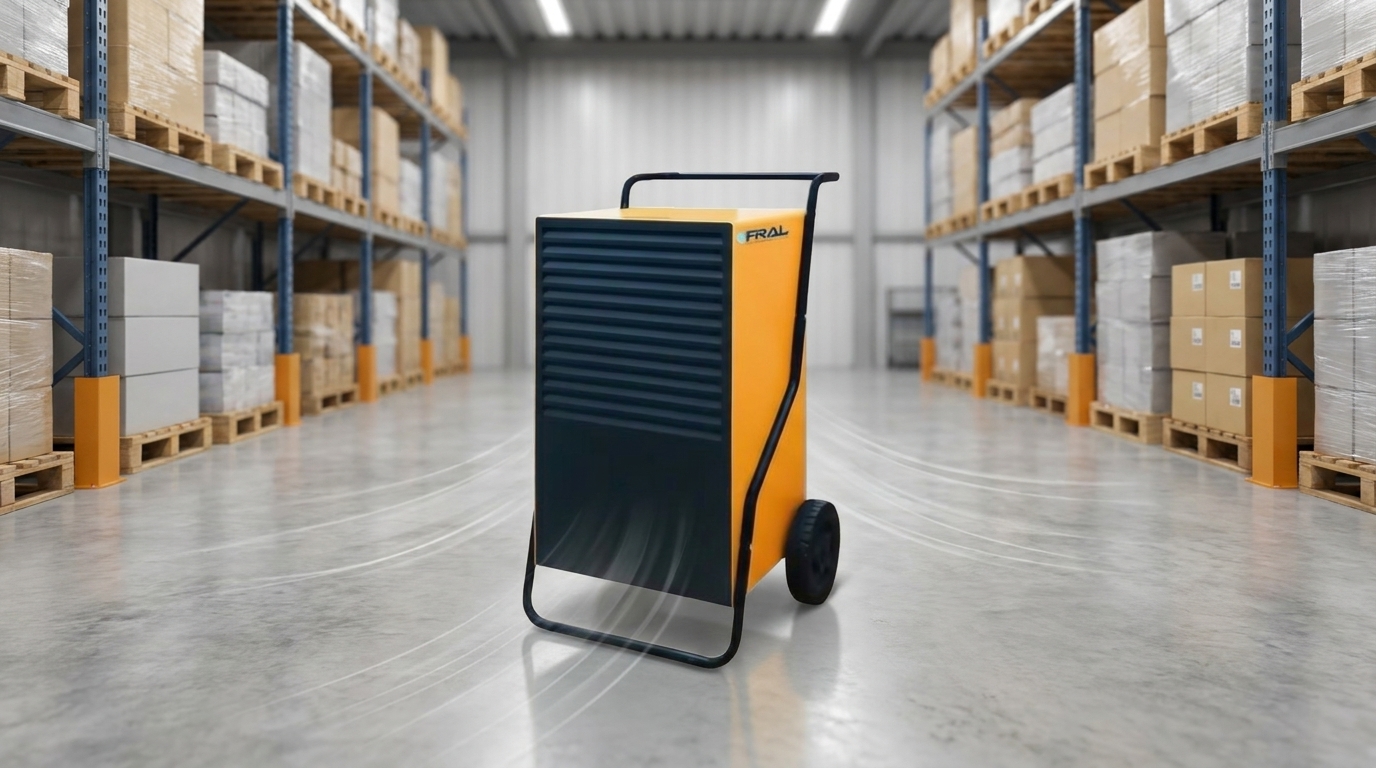
An industrial dehumidifier is built for one specific job: pulling large amounts of water out of the air continuously and keeping the indoor relative humidity (RH) at a stable, safe level (usually between 40% and 50%).
Here is how they help your business survive the monsoon:
While every warehouse and factory benefits from humidity control, certain sectors face immediate risks without it:
The monsoon is a vital season for India's ecology, but it shouldn't come at the cost of your business's productivity. Relying on luck or basic ventilation to protect your factory or warehouse can lead to massive losses.
Investing in a heavy-duty industrial dehumidifier is the most reliable way to shield your operations from the wet weather. It keeps your machinery running, your products safe, your packaging strong, and your staff healthy. Don't wait for moisture damage to disrupt your workflow—act before the heavy rains start.
Find out what size dehumidifier you need for your room based on room size, humidity levels, moisture sources, and usage. A simple guide for Indian homes and offices.
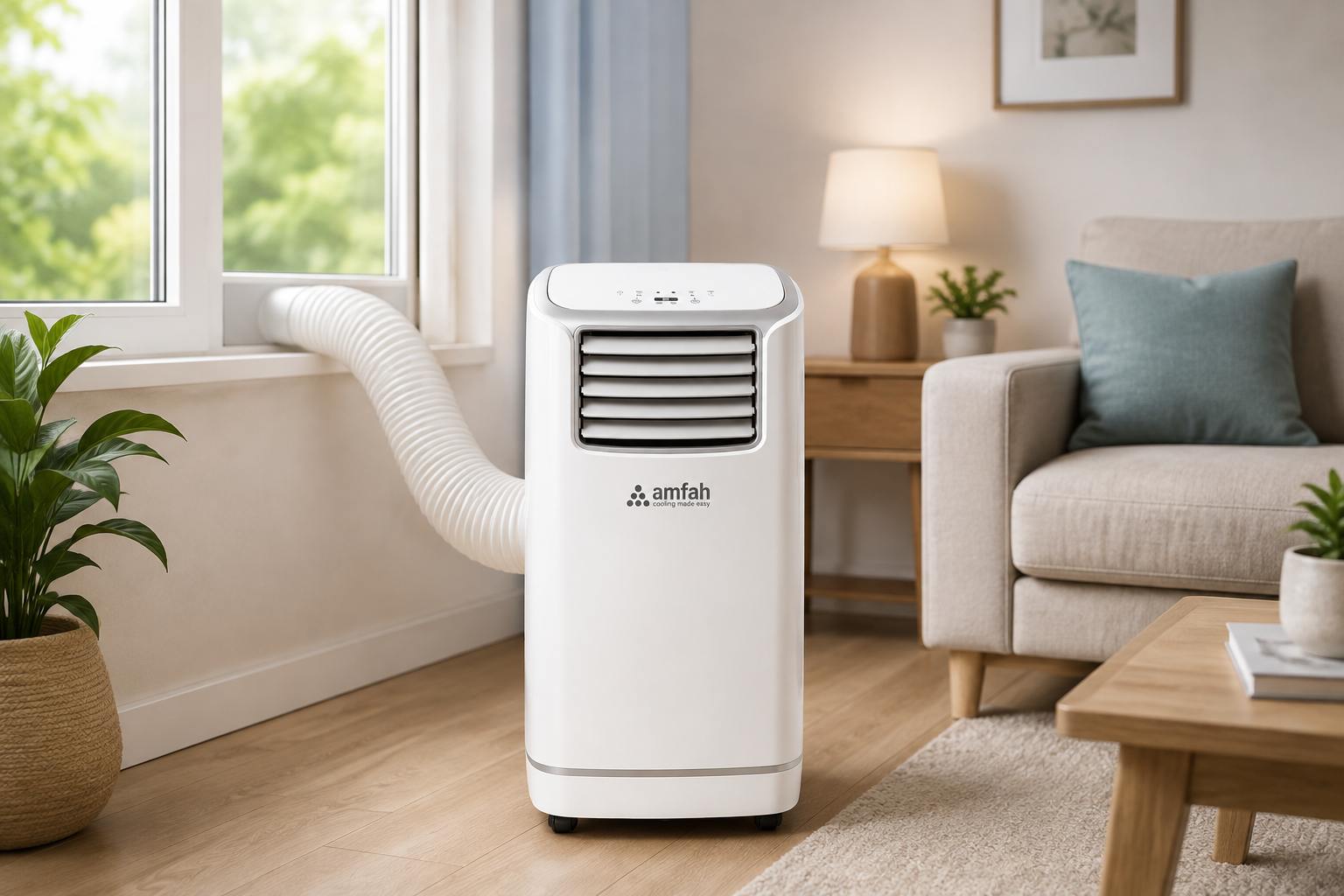
Discover why portable ACs are becoming popular in India and how they offer flexible cooling for homes, rental properties, offices, and commercial spaces.
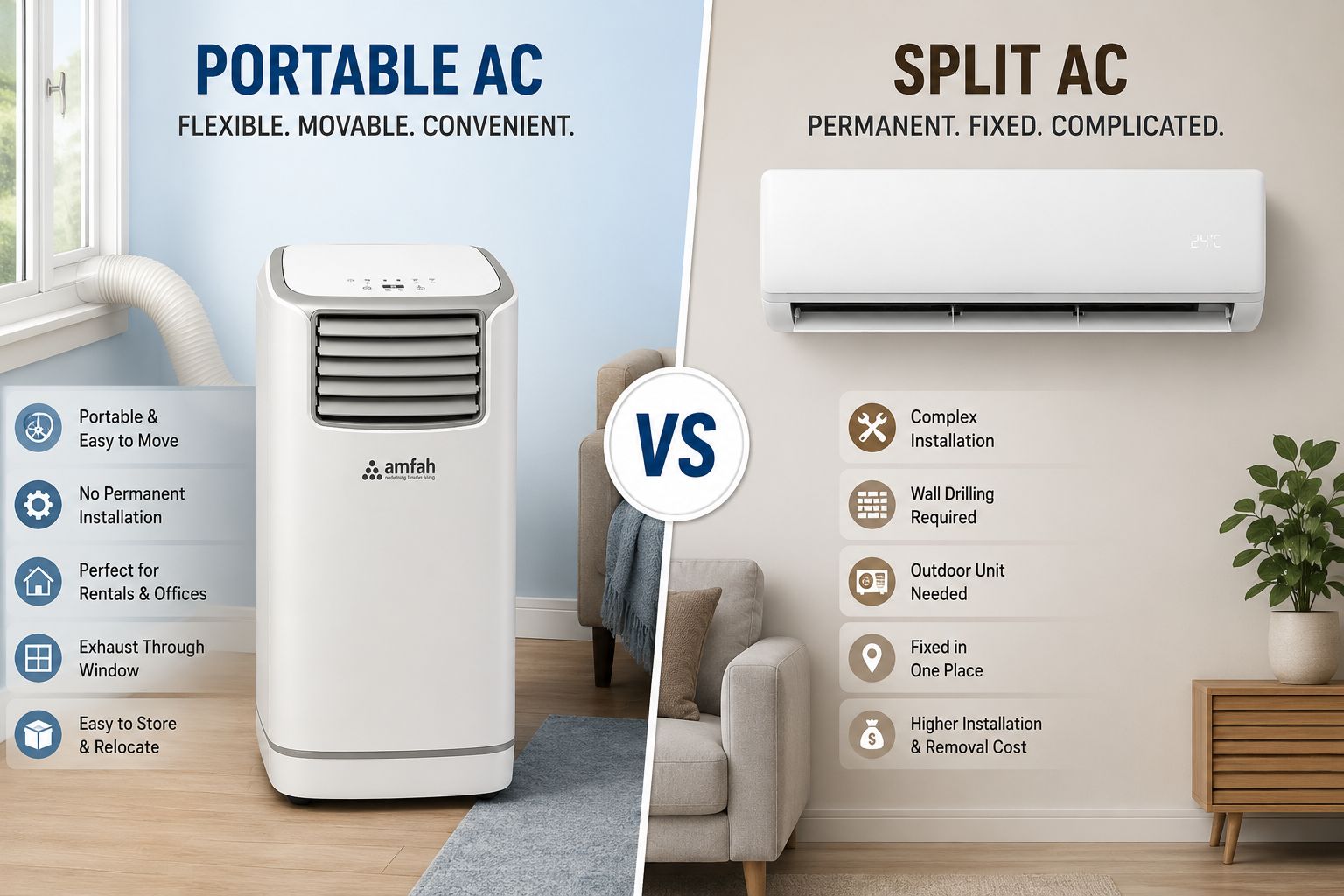
Compare portable AC vs split AC to understand installation, portability, wall damage, cooling, and why portable AC is a practical choice for homes, offices, and rental spaces.
Our Senior indoor air consultants are online to draft complete thermodynamic calculations for industrial cleanrooms, warehouses, data grids, or residential spaces.