
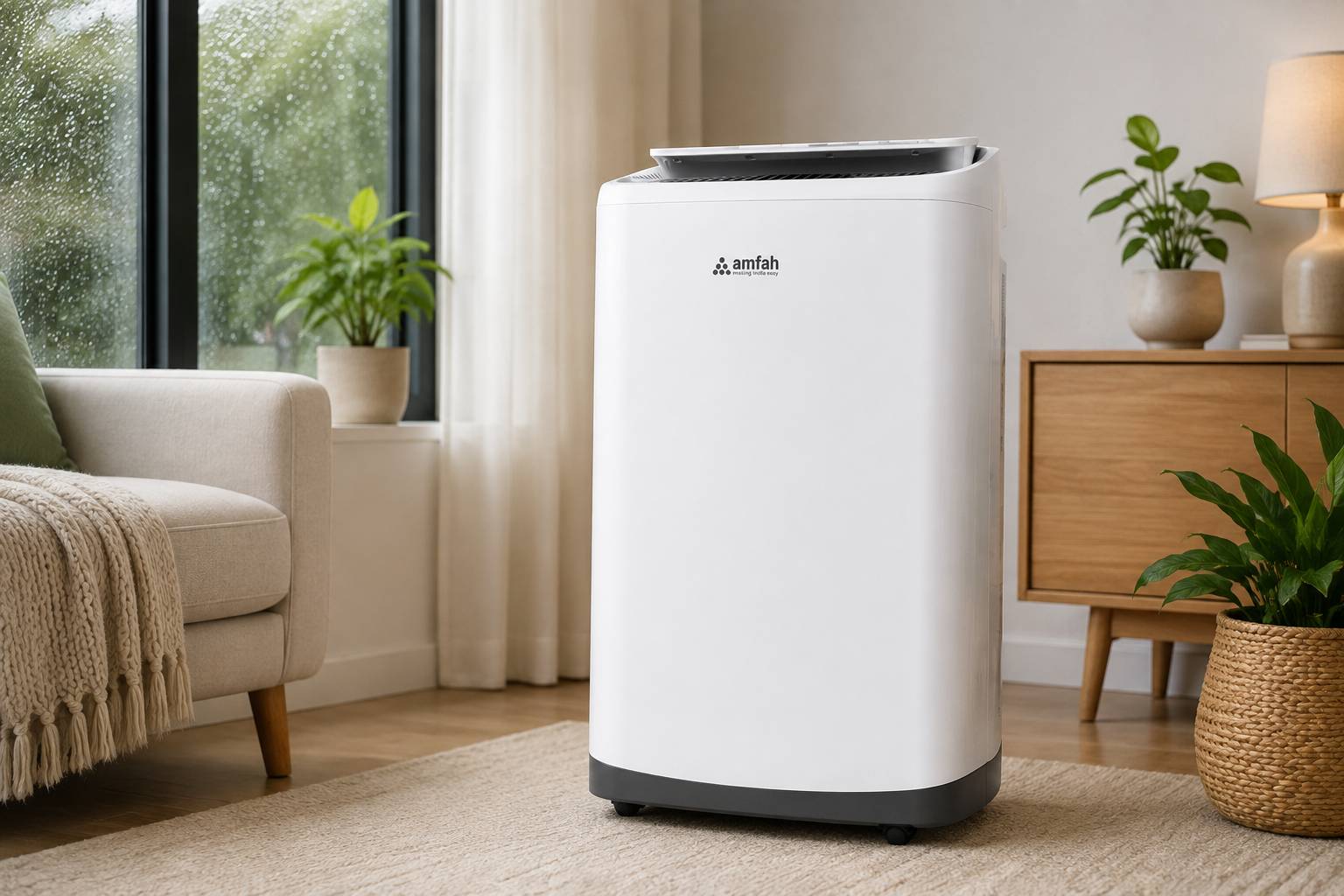
Buying GuidesAugust 29, 20267 min read
What Size Dehumidifier Do I Need?
Find out what size dehumidifier you need for your room based on room size, humidity levels, moisture sources, and usage. A simple guide for Indian homes and offices.
 |The Most Preferred Brand on the Government e-Marketplace (GeM) Portal
 |The Most Preferred Brand on the Government e-Marketplace (GeM) Portal.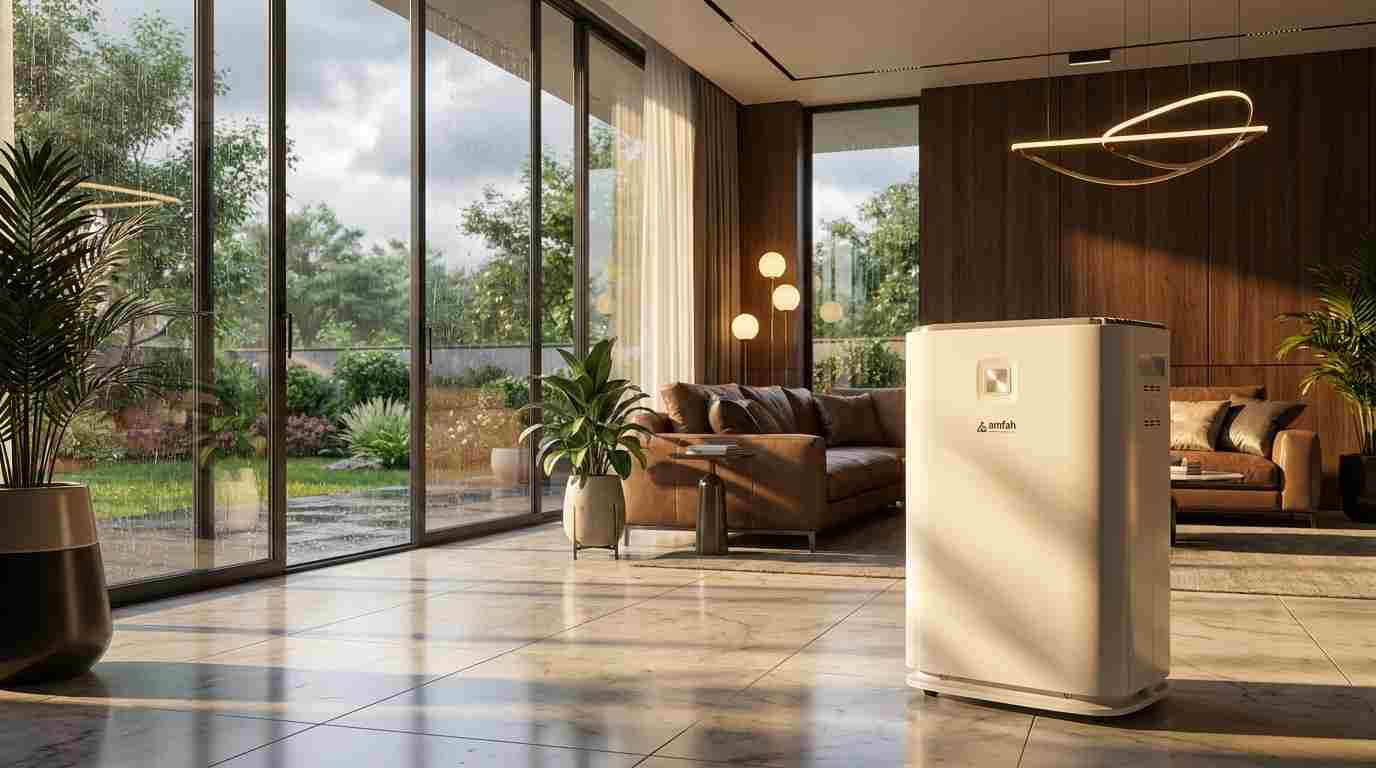
Imported wood, leather, and artwork are sensitive to moisture. Discover why luxury homes need dedicated humidity control, not just air conditioning.
A luxury home isn't just about square footage or design, it's the imported wood flooring, the designer furniture, the walk-in wardrobe, the artwork on the walls. These are precisely the materials that suffer first when indoor humidity isn't managed.
Standard construction materials tolerate moisture reasonably well. Premium ones don't:
A budget home with laminate flooring and synthetic furnishings simply has less to lose. A luxury home has more surface area of expensive, moisture-sensitive material which means the cost of ignoring humidity is proportionally much higher.
Many luxury homeowners assume that because the home is centrally air-conditioned around the clock, humidity is automatically handled. It isn't.
Central air conditioning is engineered around temperature setpoints, not moisture removal. In India's monsoon months, or in coastal cities like Mumbai and Goa, outdoor humidity can be high enough that the AC's incidental dehumidifying effect simply can't keep pace leaving rooms cool but still measurably damp, especially in closed spaces like wardrobes and store rooms that get less direct airflow from the AC vents.
In a luxury home, the earliest signs of humidity damage rarely look serious:
None of these individually feels urgent. That's precisely why they're dangerous by the time damage is obvious (discoloration, warping, a lingering odor), it's no longer a quick fix. It's a repair or replacement, on materials that were expensive to install in the first place.
Beyond protecting materials, indoor humidity directly affects how a home feels day to day crisp bedsheets versus slightly damp ones, a fresh-smelling wardrobe versus a musty one, comfortable air versus air that feels heavy despite the AC running.
The EPA's guidance of keeping indoor humidity between 30–50%, and below 60% at the outer limit, is a useful benchmark but hitting it consistently in a large luxury home, across multiple rooms and wardrobes, generally requires dedicated equipment rather than relying on air conditioning alone.
Whether the property is in Mumbai, Bengaluru, Delhi, Goa, a coastal city, or a hill station, AMFAH's residential dehumidifiers are sized to the room and integrated without disrupting the home's design running quietly in the background alongside the existing AC and smart home setup, not in place of it.
The details that make a home feel luxurious the wood, the leather, the artwork, the wardrobe are also the details most exposed to humidity damage. Pairing your air conditioning with dedicated humidity control is what keeps those details protected and the home feeling as fresh as it looks, in every season.
Find out what size dehumidifier you need for your room based on room size, humidity levels, moisture sources, and usage. A simple guide for Indian homes and offices.
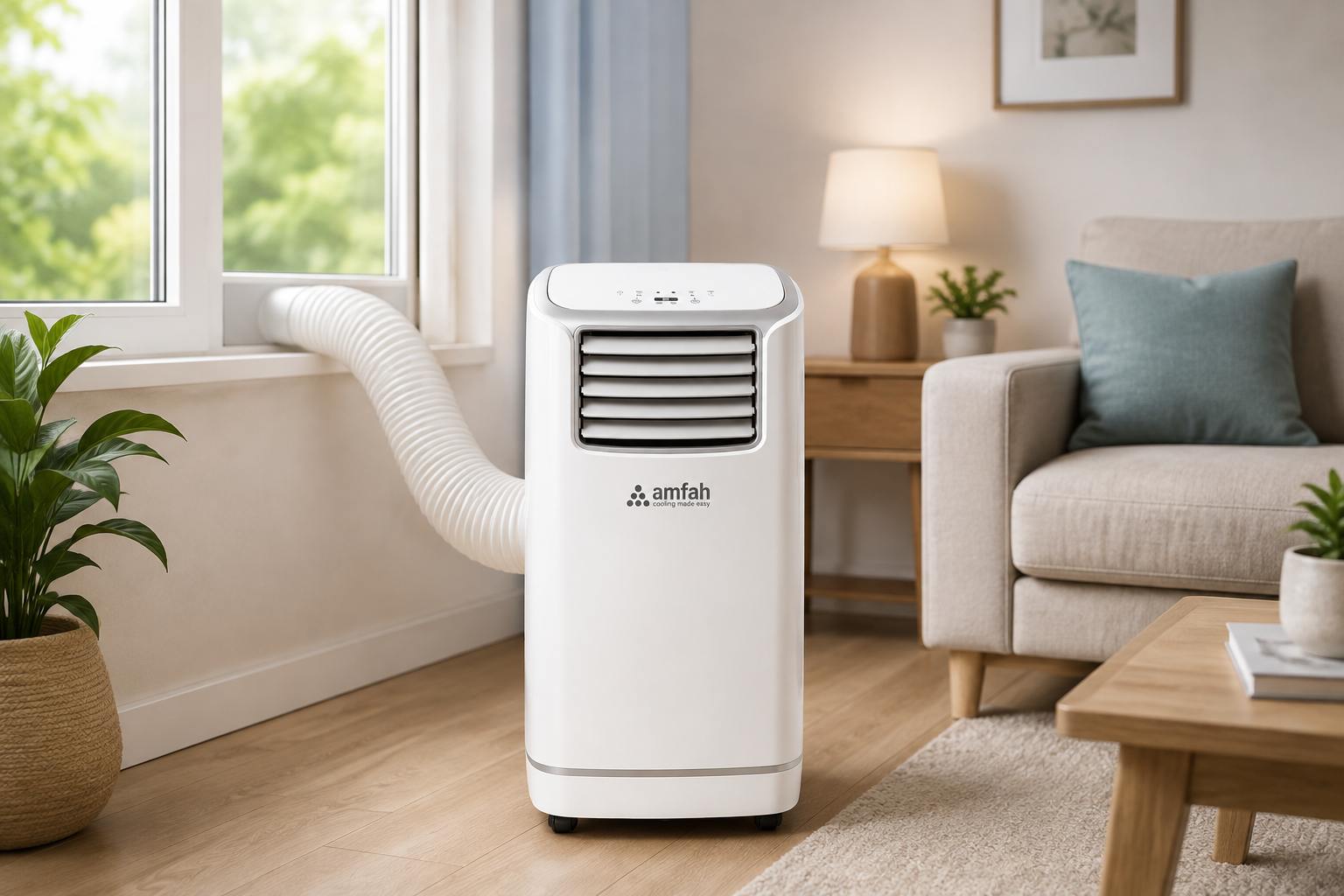
Discover why portable ACs are becoming popular in India and how they offer flexible cooling for homes, rental properties, offices, and commercial spaces.
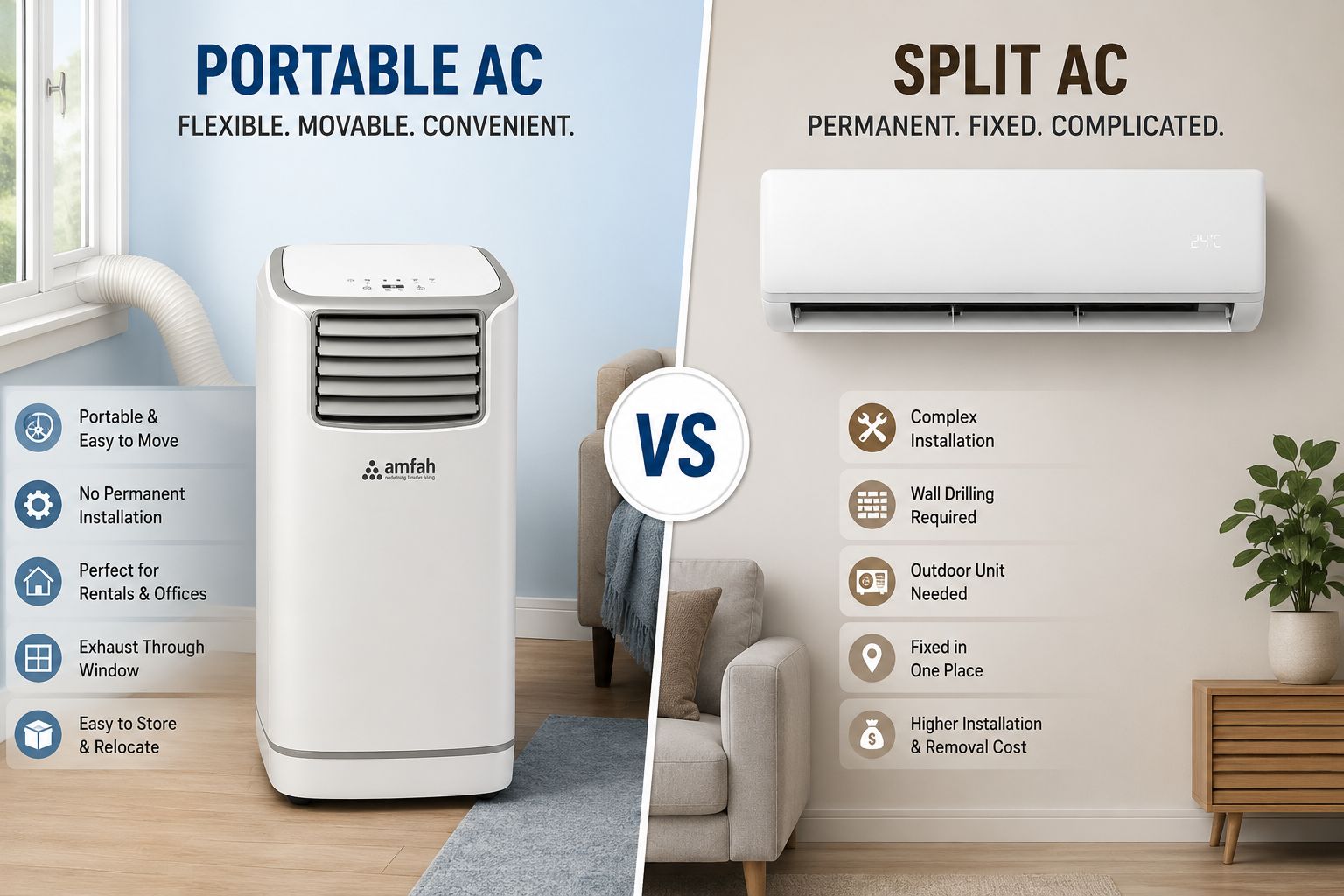
Compare portable AC vs split AC to understand installation, portability, wall damage, cooling, and why portable AC is a practical choice for homes, offices, and rental spaces.
Our Senior indoor air consultants are online to draft complete thermodynamic calculations for industrial cleanrooms, warehouses, data grids, or residential spaces.