
Buying GuidesAugust 29, 20267 min read
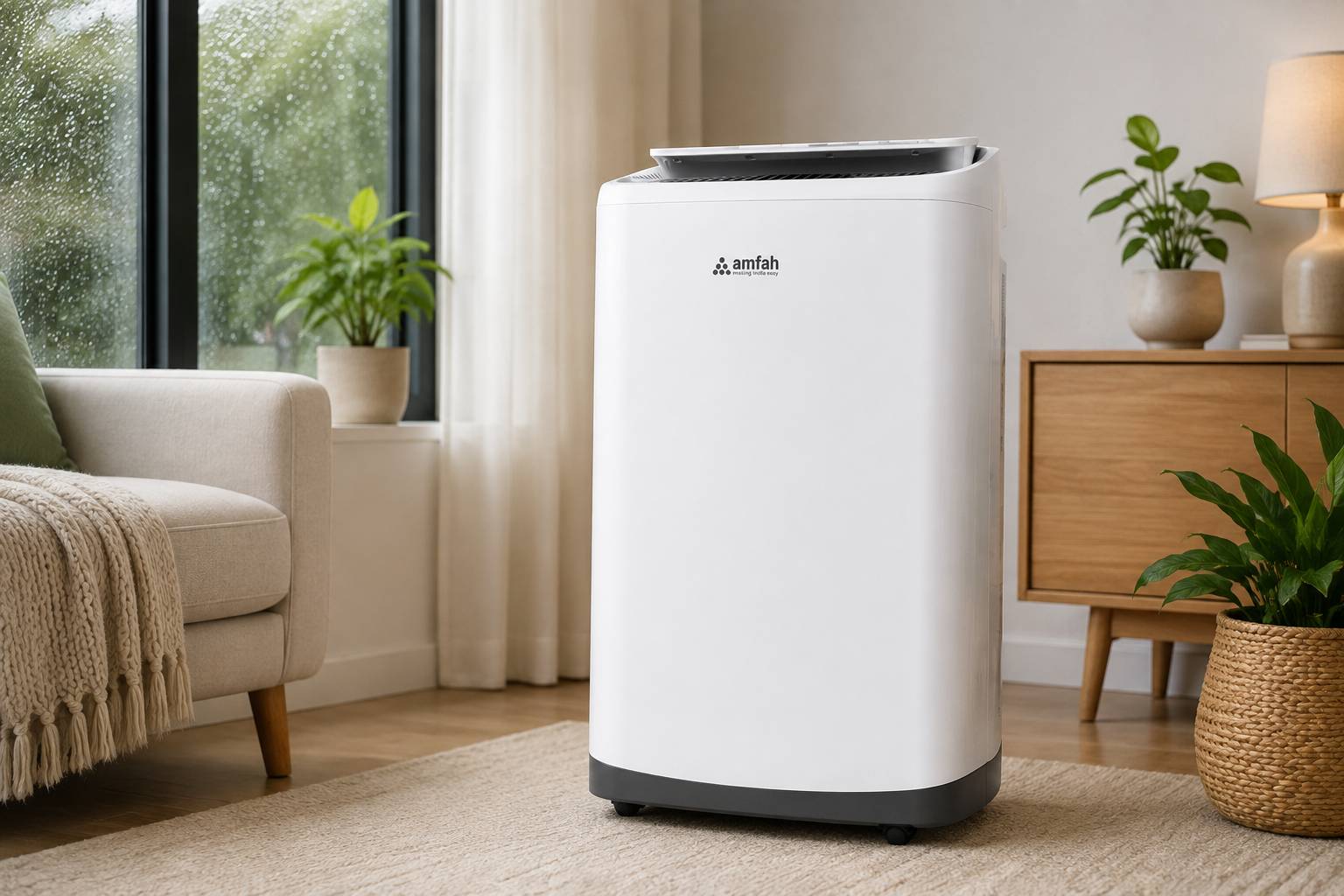
What Size Dehumidifier Do I Need?
Find out what size dehumidifier you need for your room based on room size, humidity levels, moisture sources, and usage. A simple guide for Indian homes and offices.
 |The Most Preferred Brand on the Government e-Marketplace (GeM) Portal
 |The Most Preferred Brand on the Government e-Marketplace (GeM) Portal.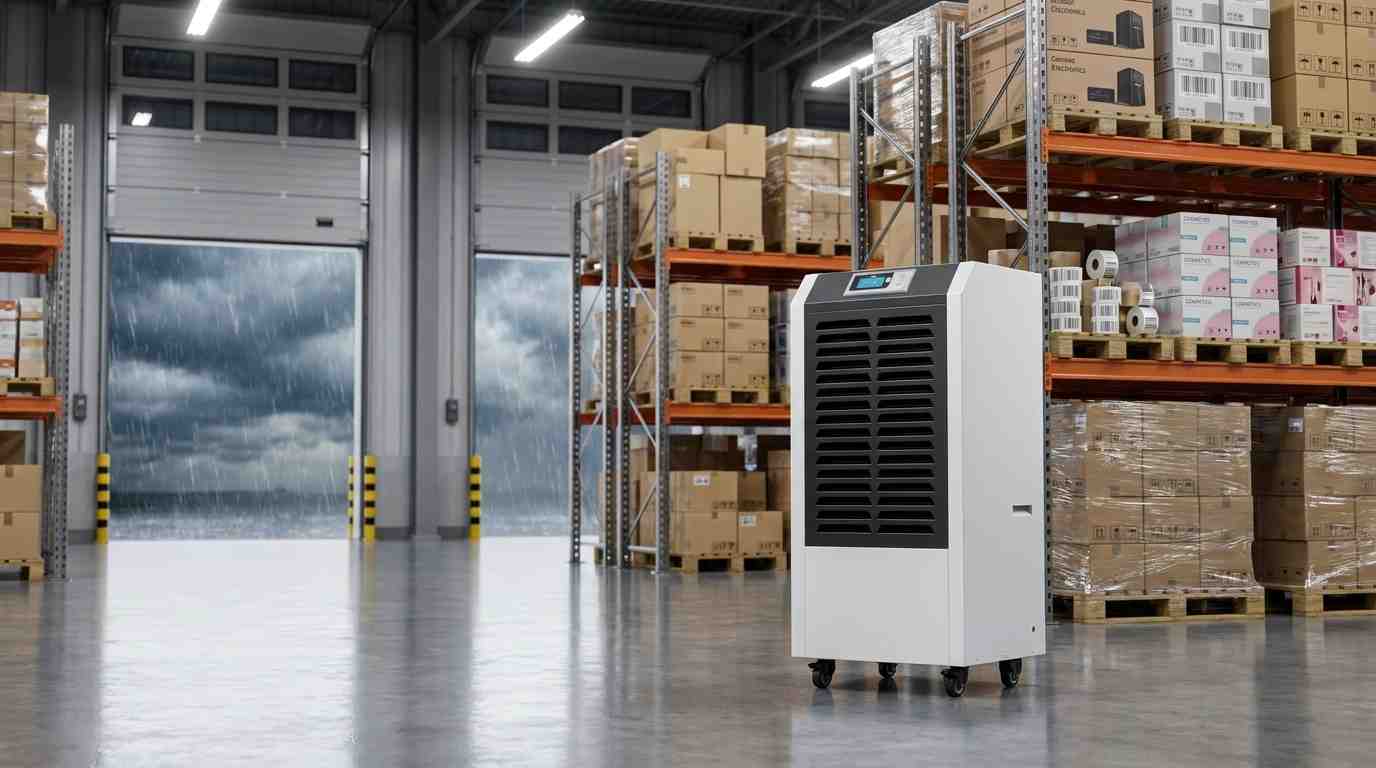
Learn why humidity control is essential for packaging storage. Discover how excess moisture damages cartons, labels, paper, and packaging materials, and how dehumidifiers help protect inventory.
Before anyone sees your product, they see the packaging. Whether it's a medicine box, food carton, cosmetic package, electronic product, or e-commerce shipment, packaging creates the first impression. A clean, sturdy package builds confidence, while a damaged, swollen, or moldy package does the opposite.
Many businesses invest heavily in product quality but overlook one important factor that affects packaging long before it reaches the customer: humidity.
Many businesses assume packaging materials are safe once they are stored inside a warehouse. Unfortunately, that's not always true.
Paper, cardboard, labels, cartons, adhesive tapes, and printed packaging continuously interact with the surrounding air.
When humidity becomes too high, these materials begin absorbing moisture. The damage often starts slowly and goes unnoticed until products are ready for dispatch.
Most packaging materials contain paper fibers or similar porous materials that naturally absorb moisture from humid air.
Humidity levels become even higher during:
Excess moisture can affect almost every type of packaging. Common problems include:
Even if the product inside is perfectly fine, damaged packaging creates a poor customer experience.
Humidity affects businesses across many industries, including:
For many of these industries, damaged packaging can lead to rejected shipments and dissatisfied customers.
Corrugated boxes are widely used because they are lightweight and strong. However, they are also highly sensitive to moisture.
When humidity increases, corrugated boxes can:
This creates serious risks during transportation and warehouse storage.
Humidity doesn't just affect cartons. It also affects:
Excess moisture may cause labels to curl, wrinkle, peel, or lose adhesion. For industries that rely on accurate product identification, this becomes a significant operational problem.
Large warehouses experience constant changes in temperature and humidity.
Frequent opening of loading doors allows humid outdoor air to enter, and rainy weather makes the situation even worse.
Without humidity control, moisture spreads throughout the storage area and affects packaging materials stored on racks or pallets.
Export shipments often remain in storage for weeks before transportation. During shipping, products may experience different climates and varying humidity levels.
Poor humidity control before dispatch increases the risk of:
Protecting packaging before shipment is just as important as protecting the product itself.
Good warehouse practices reduce the risk of moisture damage. Some simple steps include:
Use pallets or racks instead of placing cartons directly on the floor. This helps reduce exposure to moisture.
Walls may become cooler or damp during rainy weather. Leaving a small gap improves airflow around stored materials.
Following the First-In, First-Out (FIFO) method reduces the amount of time packaging remains in storage.
Check cartons for signs of softness, dampness, mold, label damage, or warping. Finding problems early prevents larger inventory losses.
Many warehouses rely on ventilation fans. While airflow is helpful, it doesn't remove moisture from humid air.
During the monsoon, the outdoor air entering the warehouse may already contain high humidity. Instead of solving the problem, ventilation alone may simply bring more moisture indoors.
A commercial dehumidifier removes excess moisture from the air before packaging materials absorb it.
Balanced humidity helps maintain:
According to ASHRAE, maintaining appropriate indoor humidity improves building performance and helps protect stored materials from moisture-related damage.
Proper humidity control offers several long-term advantages, including:
Instead of replacing damaged packaging, businesses protect it before problems begin.
Packaging represents your brand long before customers see the product inside.
Keeping cartons, labels, and paper materials dry helps maintain product quality, improve customer confidence, and reduce unnecessary losses.
AMFAH commercial dehumidifiers help manufacturers, warehouses, and logistics facilities maintain balanced humidity, protecting packaging materials from excess moisture and ensuring products leave the warehouse in the same condition they were packed.
Find out what size dehumidifier you need for your room based on room size, humidity levels, moisture sources, and usage. A simple guide for Indian homes and offices.
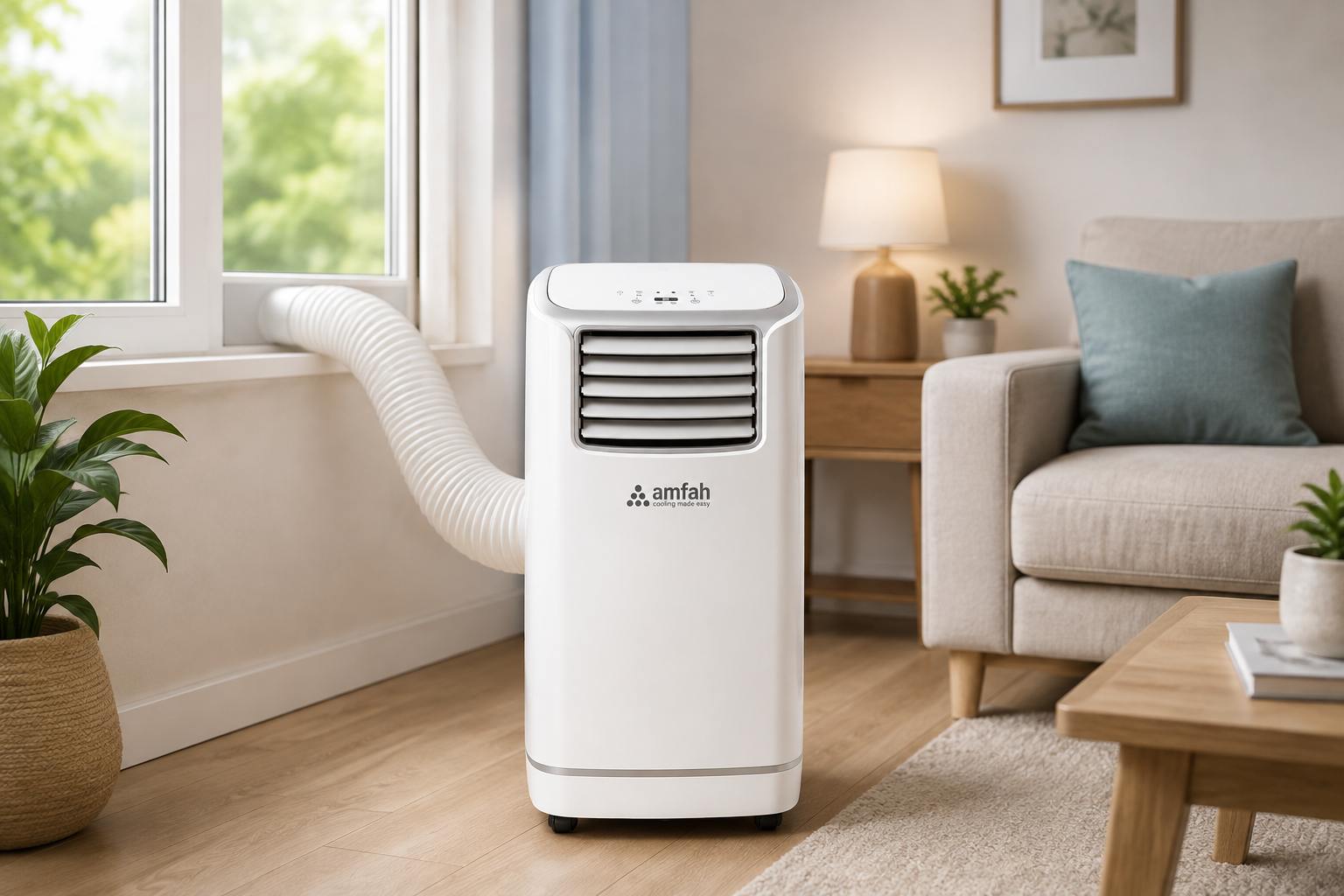
Discover why portable ACs are becoming popular in India and how they offer flexible cooling for homes, rental properties, offices, and commercial spaces.
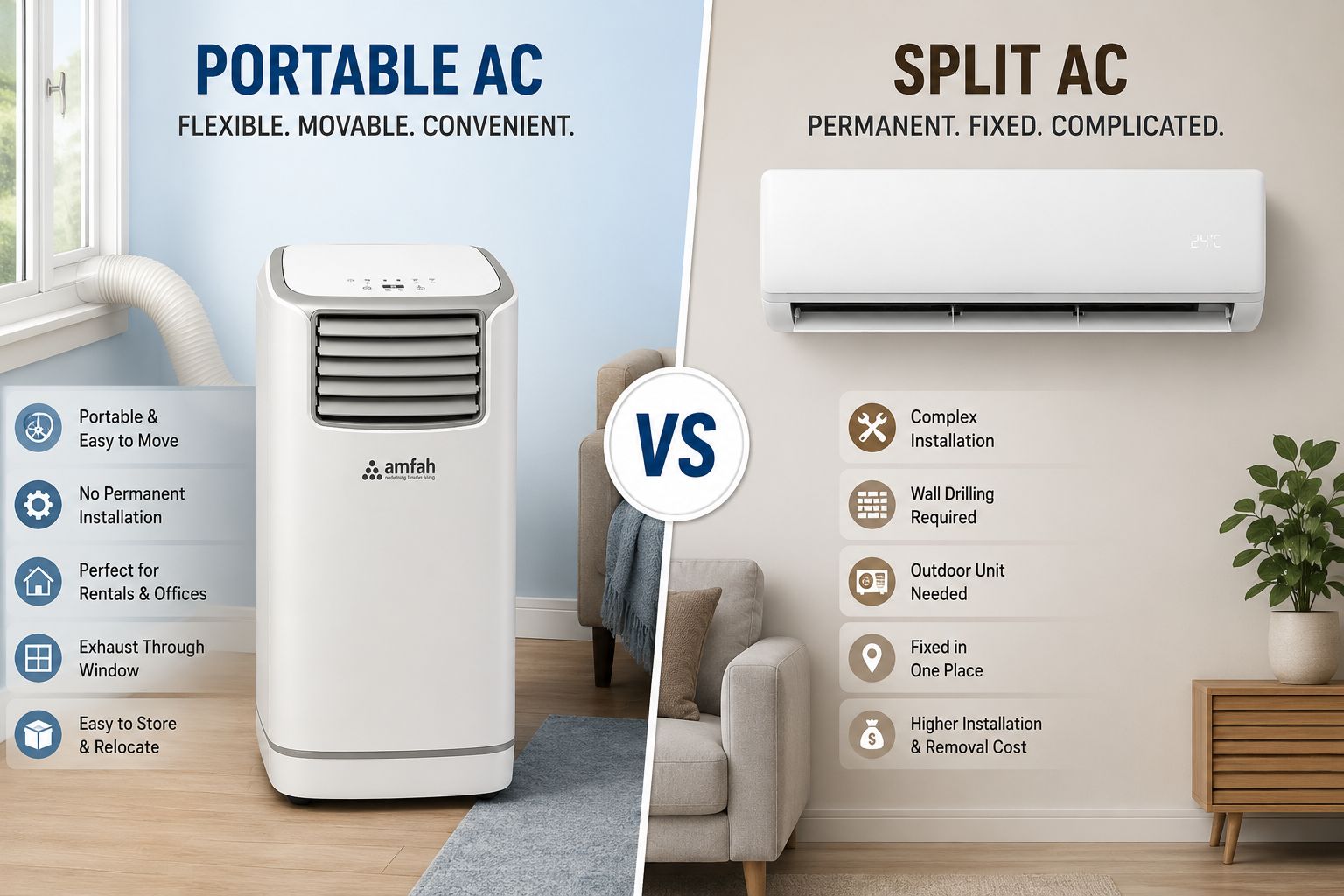
Compare portable AC vs split AC to understand installation, portability, wall damage, cooling, and why portable AC is a practical choice for homes, offices, and rental spaces.
Our Senior indoor air consultants are online to draft complete thermodynamic calculations for industrial cleanrooms, warehouses, data grids, or residential spaces.