Before anyone sees your product, they see the packaging. Whether it's a medicine box, food carton, cosmetic package, electronic product, or e-commerce shipment, packaging creates the first impression. A clean, sturdy package builds confidence, while a damaged, swollen, or moldy package does the opposite.
Your Packaging Is the First Thing Customers Notice
Many businesses invest heavily in product quality but overlook one important factor that affects packaging long before it reaches the customer: humidity.
Packaging Doesn't Stay Perfect Forever
Many businesses assume packaging materials are safe once they are stored inside a warehouse. Unfortunately, that's not always true.
Paper, cardboard, labels, cartons, adhesive tapes, and printed packaging continuously interact with the surrounding air.
When humidity becomes too high, these materials begin absorbing moisture. The damage often starts slowly and goes unnoticed until products are ready for dispatch.
Why Packaging Materials Absorb Moisture
Most packaging materials contain paper fibers or similar porous materials that naturally absorb moisture from humid air.
Humidity levels become even higher during:
- Monsoon season
- Coastal weather
- Poor warehouse ventilation
- Long-term storage
- Buildings without humidity control
What Happens When Humidity Gets Too High?
Excess moisture can affect almost every type of packaging. Common problems include:
- Soft cardboard boxes
- Warped cartons
- Peeling labels
- Weak adhesive bonds
- Damp paper packaging
- Wrinkled printed labels
- Mold growth
- Unpleasant odors
Even if the product inside is perfectly fine, damaged packaging creates a poor customer experience.
Industries That Depend on Good Packaging
Humidity affects businesses across many industries, including:
- Pharmaceutical manufacturers
- Food processing companies
- FMCG brands
- Cosmetic manufacturers
- Electronics manufacturers
- E-commerce warehouses
- Logistics companies
- Printing companies
- Export businesses
For many of these industries, damaged packaging can lead to rejected shipments and dissatisfied customers.
Corrugated Boxes Lose Their Strength
Corrugated boxes are widely used because they are lightweight and strong. However, they are also highly sensitive to moisture.
When humidity increases, corrugated boxes can:
- Lose compression strength
- Bend under weight
- Collapse during stacking
- Become difficult to handle
- Tear more easily
This creates serious risks during transportation and warehouse storage.
Labels and Printing Can Also Be Damaged
Humidity doesn't just affect cartons. It also affects:
- Barcode labels
- QR code labels
- Product stickers
- Printed cartons
- Instruction leaflets
- Paper inserts
Excess moisture may cause labels to curl, wrinkle, peel, or lose adhesion. For industries that rely on accurate product identification, this becomes a significant operational problem.
Warehouses Are More Vulnerable Than You Think
Large warehouses experience constant changes in temperature and humidity.
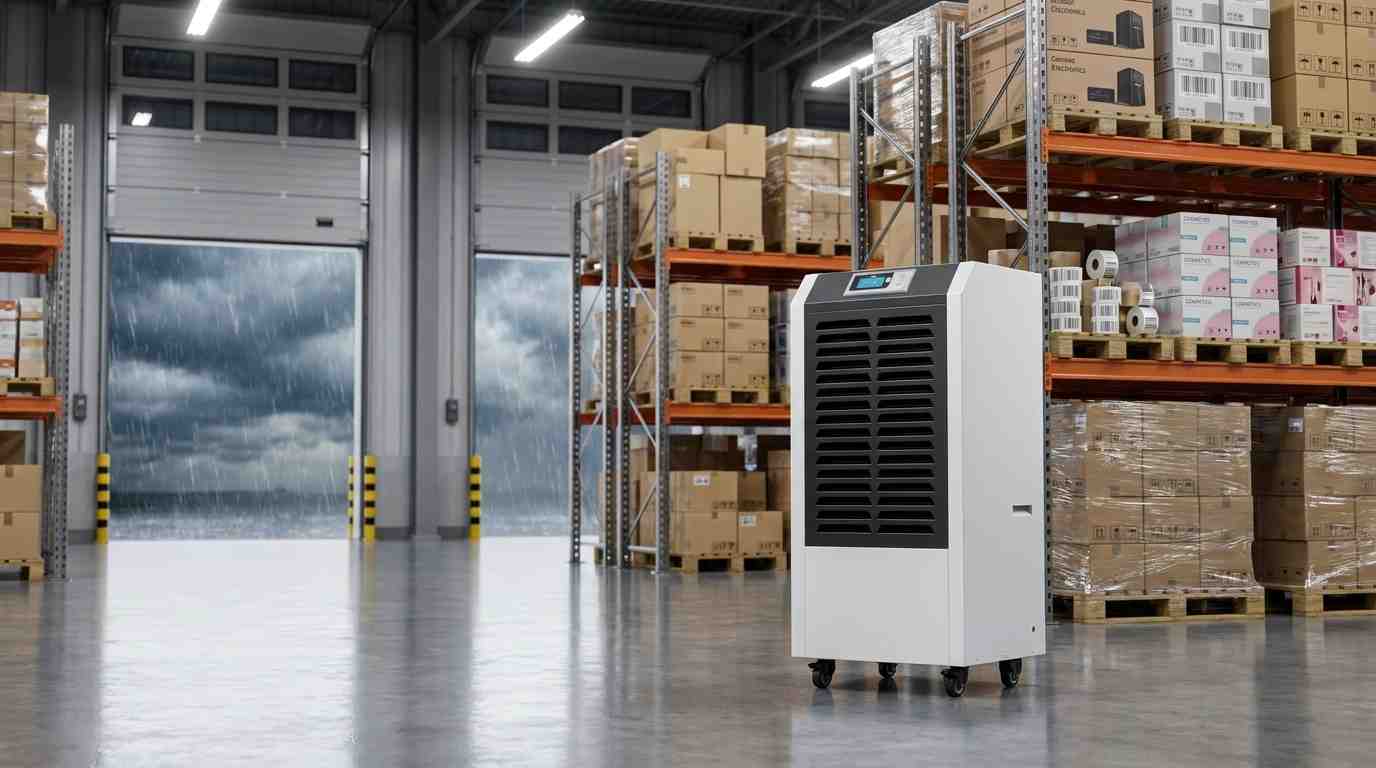
Frequent opening of loading doors allows humid outdoor air to enter, and rainy weather makes the situation even worse.
Without humidity control, moisture spreads throughout the storage area and affects packaging materials stored on racks or pallets.
Export Packaging Faces Additional Challenges
Export shipments often remain in storage for weeks before transportation. During shipping, products may experience different climates and varying humidity levels.
Poor humidity control before dispatch increases the risk of:
- Packaging deformation
- Mold growth
- Weak cartons
- Damaged labels
- Customer complaints
- Rejected consignments
Protecting packaging before shipment is just as important as protecting the product itself.
Simple Storage Practices That Help
Good warehouse practices reduce the risk of moisture damage. Some simple steps include:
Store Packaging Above Floor Level
Use pallets or racks instead of placing cartons directly on the floor. This helps reduce exposure to moisture.
Keep Packaging Away from Exterior Walls
Walls may become cooler or damp during rainy weather. Leaving a small gap improves airflow around stored materials.
Rotate Inventory
Following the First-In, First-Out (FIFO) method reduces the amount of time packaging remains in storage.
Inspect Storage Regularly
Check cartons for signs of softness, dampness, mold, label damage, or warping. Finding problems early prevents larger inventory losses.
Why Ventilation Alone Isn't Enough
Many warehouses rely on ventilation fans. While airflow is helpful, it doesn't remove moisture from humid air.
During the monsoon, the outdoor air entering the warehouse may already contain high humidity. Instead of solving the problem, ventilation alone may simply bring more moisture indoors.
How Dehumidifiers Protect Packaging
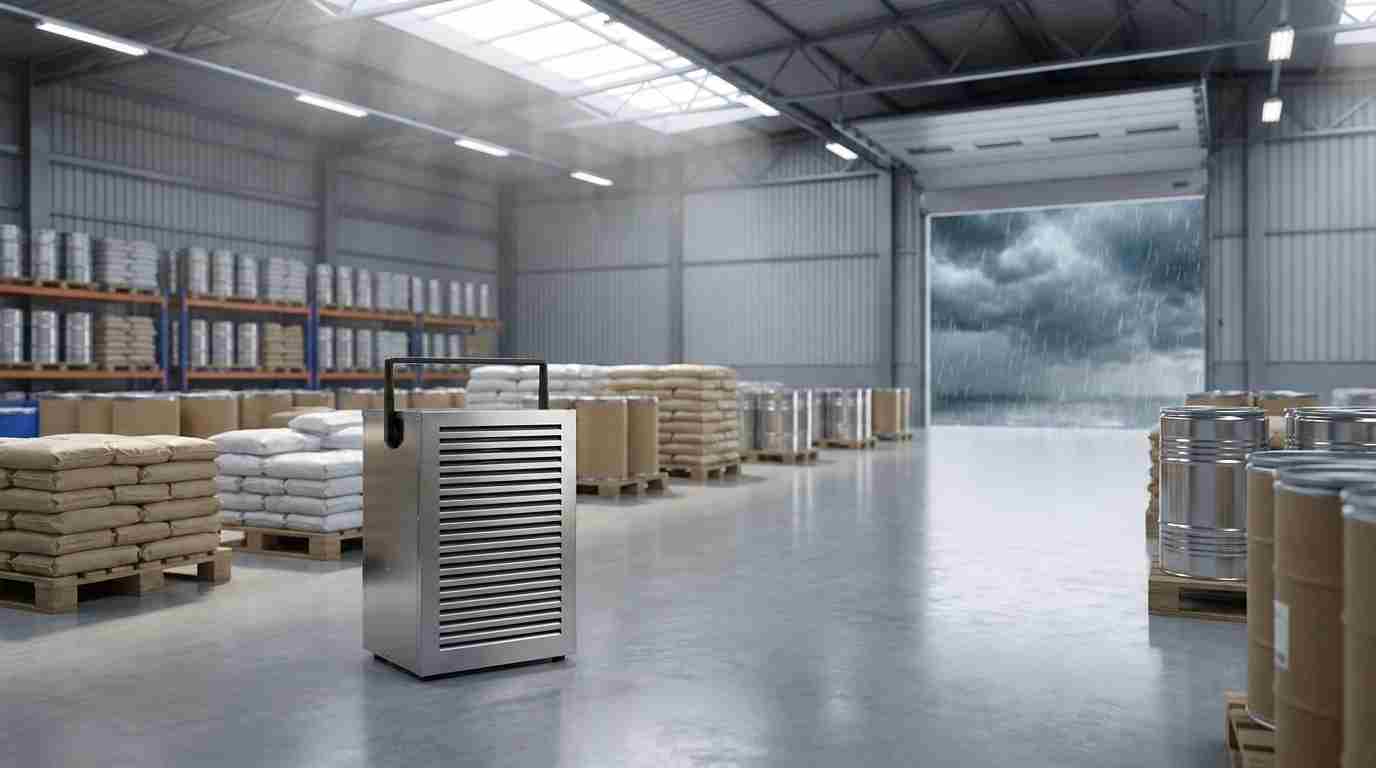
A commercial dehumidifier removes excess moisture from the air before packaging materials absorb it.
Balanced humidity helps maintain:
- Strong corrugated boxes
- Dry paper packaging
- Better label adhesion
- Clear printed graphics
- Improved warehouse conditions
- Longer storage life
According to ASHRAE, maintaining appropriate indoor humidity improves building performance and helps protect stored materials from moisture-related damage.
Benefits for Manufacturers and Warehouses
Proper humidity control offers several long-term advantages, including:
- Fewer damaged cartons
- Lower inventory losses
- Better product presentation
- Reduced mold risk
- Improved storage conditions
- Stronger export packaging
- Better customer satisfaction
- Reduced replacement costs
Instead of replacing damaged packaging, businesses protect it before problems begin.
Protect Your Packaging Before It Reaches the Customer
Packaging represents your brand long before customers see the product inside.
Keeping cartons, labels, and paper materials dry helps maintain product quality, improve customer confidence, and reduce unnecessary losses.
AMFAH commercial dehumidifiers help manufacturers, warehouses, and logistics facilities maintain balanced humidity, protecting packaging materials from excess moisture and ensuring products leave the warehouse in the same condition they were packed.