|The Most Preferred Brand on the Government e-Marketplace (GeM) Portal
|The Most Preferred Brand on the Government e-Marketplace (GeM) Portal.

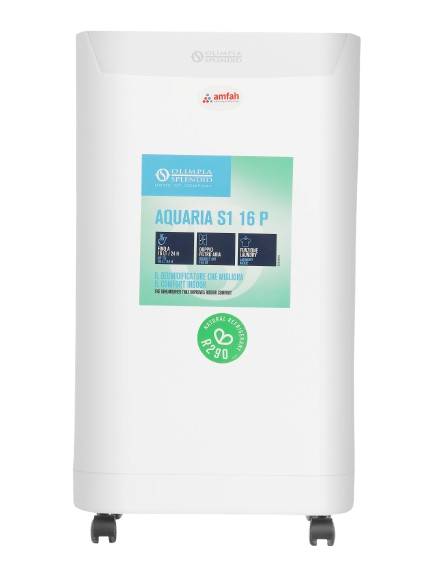
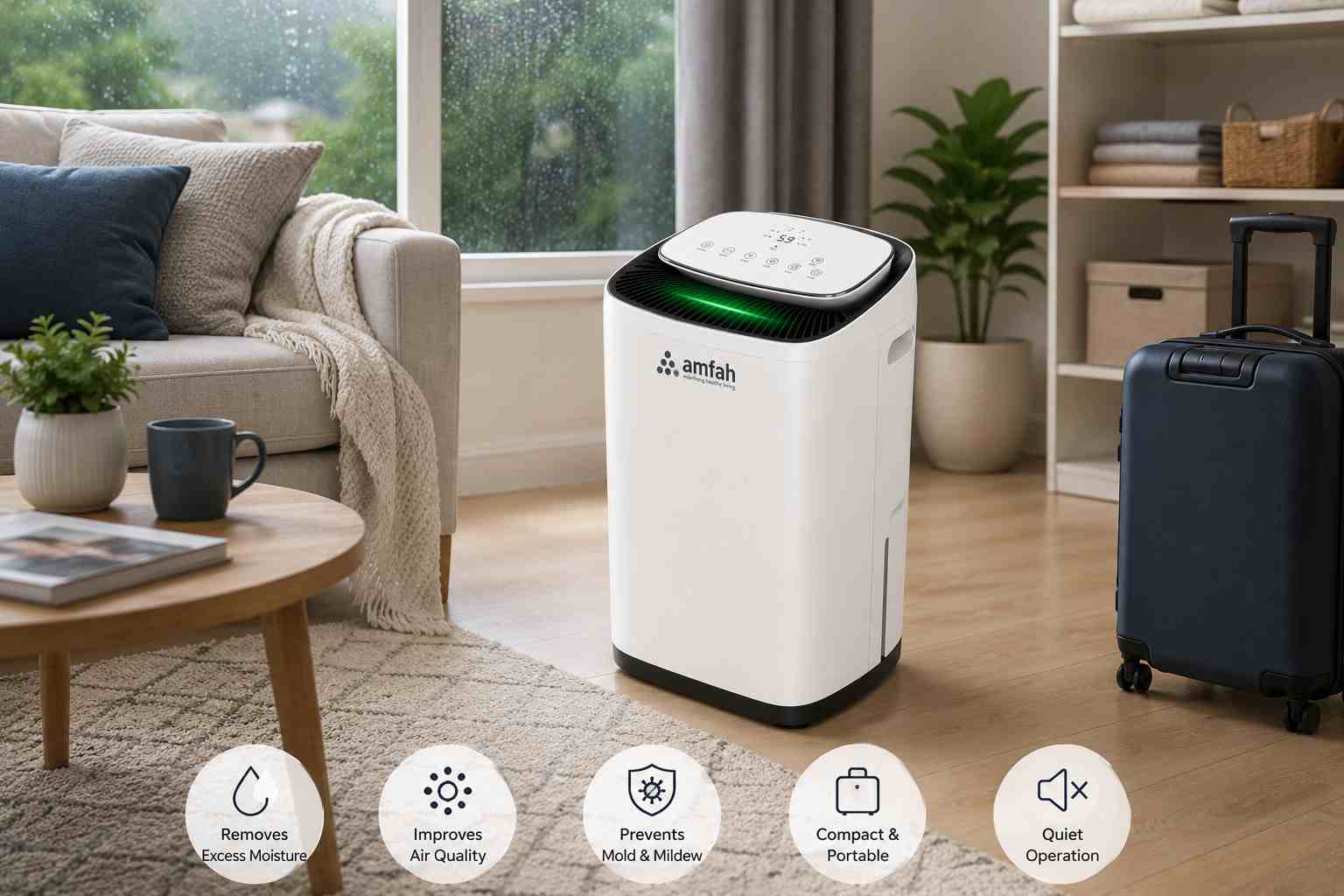
A dehumidifier is an electrical appliance that removes excess moisture from indoor air to maintain a healthy humidity level (40%–60% RH). Portable models come with wheels, making it easy to move them between bedrooms, living rooms, and closets.
It prevents mold, dust mites, and musty odors while protecting your health, furniture, clothes, and electronics from dampness and humidity damage.
Excessive indoor dampness creates silent hazards for your respiratory wellness, fine interiors, and prized belongings.
Elevated indoor humidity fosters rapid proliferation of airborne mold spores, bacteria, and dust mites—the leading causes of morning sneezing, chronic congestion, itchy eyes, and respiratory flare-ups. Maintaining relative humidity below 50% significantly reduces environmental allergens for clean, easy breathing.
✓ Respiratory Wellness
Versatile moisture management tailored for every dampness-prone zone in your home or facility.
Promotes deep, restorative sleep, stops early morning window condensation, eliminates clammy bed linens, and prevents dust mite accumulation inside mattresses, pillows, and upholstered couches.
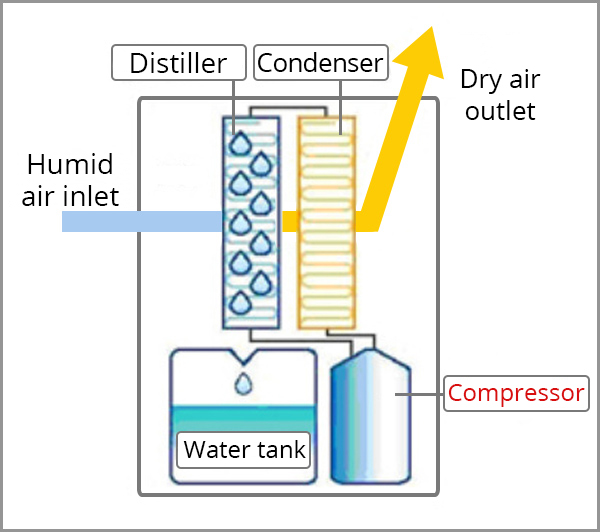
✓ Restful sleep & daily livingAn engineering breakdown of the thermodynamic moisture extraction and reheat cycle.
An internal motorized blower pulls warm, moisture-laden room air through a washable anti-dust filter, directing it across the chilled evaporator coil.
As the humid air makes contact with the cold coil, moisture vapor instantly condenses into liquid water droplets that trickle into the collection reservoir.
The chilled, moisture-free air then flows immediately across the warm condenser coil, absorbing heat generated by the compressor.
The dry, room-temperature air is discharged through top aerodynamic louvers back into the room, lowering overall ambient relative humidity.


Key parameters to evaluate before selecting your daily moisture extraction capacity.
Calculate the total square footage and ceiling height of the target area. Determine whether you plan to use a single high-portability unit moved between rooms, or install dedicated units for master bedrooms, walk-in closets, and living areas.
Assess visual dampness indicators such as window sweat, musty smells, or coastal proximity. For mild seasonal humidity, standard capacities are sufficient; for severe coastal dampness or basement seepage, opt for a higher-capacity model for rapid stabilization.
Cross-reference room area against indoor dampness levels to choose your ideal extraction capacity.
| Condition of the Space | Upto 200 sq ft | Upto 350 sq ft | Upto 500 sq ft | Upto 800+ sq ft |
|---|---|---|---|---|
Slightly DampMild Air feels humid or stuffy mainly during rainy days | 12 Liters/day | 20 Liters/day | 30 Liters/day | 50 Liters/day |
Moderately DampModerate Faint musty odor present, window fogging, sticky feeling in air | 16 Liters/day | 25 Liters/day | 35 Liters/day | 50–60 Liters/day |
Very DampHigh Walls/floors feel clammy, visible moisture on glass, dark spots | 20 Liters/day | 30 Liters/day | 40 Liters/day | 60 Liters/day |
Wet ConditionsSevere Active seepage, persistent mold growth, coastal climate, basement damp | 20–25 Liters/day | 35 Liters/day | 50 Liters/day | 60–90+ Liters/day |
Operational best practices to accelerate moisture extraction, save electricity, and prolong equipment life.
Place the dehumidifier on a level surface with at least 30–50 cm of unobstructed space around the air intake grill and top exhaust louvers. Avoid placing the unit directly against walls or heavy curtains.

Key technological capabilities that ensure superior moisture control, whisper-quiet operation, and long-term durability.
Real-time ambient relative humidity percentage readout with precise digital humidity calibration presets.
Automates scheduled turn-on and turn-off intervals aligned with your daily family routine to conserve power.
High-density washable anti-dust pre-filters and carbon deodorizing filters cleanse the air while extracting moisture.
Automatically restores previously configured operational modes and humidity setpoints following power interruptions.
Engineered with high-COP rotary compressors and zero-ODP green refrigerants (R290) to minimize daily electricity bills.
Locks the touch control console to prevent unintended mode changes or button tampering by children.
Smooth-rolling integrated casters and ergonomic handles for effortless multi-room portability across your home.

Practical advice on water collection frequency, filter cleaning intervals, and operating longevity.
During initial operation, the dehumidifier rapidly draws heavy moisture from ambient air as well as deep-seated latent dampness absorbed inside masonry walls, wooden flooring, rugs, and furniture. Once this baseline moisture is extracted (typically after 4–7 days), tank filling stabilizes according to prevailing weather conditions.
Inspect and clean the washable nylon pre-filter every 1 to 2 weeks to remove surface lint and maintain maximum airflow. Rinse the water collection reservoir once a month to prevent mineral scale or biofilm deposits.
AMFAH dehumidifiers are equipped with automatic compressor thermal protection and smart defrost sensors. Allowing the auto-humidistat to cycle at 45%–50% RH provides seamless continuous climate control while extending compressor service life.
When using the continuous drainage hose, ensure the pipe maintains a smooth downward slope without kinks, airlocks, or blockages to facilitate uninterrupted gravity water flow.

Step-by-step cleaning procedure to ensure peak efficiency and hygienic air output.
Step 1 : Disconnect from electrical power supply — Always switch off the unit and unplug the electrical power cable from the wall outlet before undertaking any cleaning or inspection.
Step 2 : Wipe outer casing with a soft damp cloth — Gently wipe the exterior housing and air louvers with a soft microfiber cloth slightly moistened with water. Never spray water directly or use abrasive chemical solvents.
Step 3 : Clean and dry the air filter gently — Remove the air filter. Vacuum accumulated dust using a soft brush attachment or gently rinse under lukewarm tap water. Ensure the filter is completely dry before reinserting it into the unit.
Please note: Internal refrigerant circuitry, rotary compressors, and electronic PLC control boards should be inspected and serviced exclusively by authorized AMFAH certified engineers.
Need personalized assistance? Reach out to our technical team:
Sales & Sizing Consultations: 022 40-107-074 / +91 93219 91812 or email us at info@amfah.com
Service & Support Help Desk: 022 40-107-074 / WhatsApp +91 90046 63226
Our air quality engineers are here to assist with capacity calculations and technical guidance.