As dental practices confront aerosol-transmission challenges, managing clinical relative humidity (RH) has emerged as an essential non-pharmaceutical control barrier. Air quality specialist Mansoor Ali details why maintaining the 40%–60% RH range decreases viral suspension times inside clinics.
Dental clinics are highly specialized healthcare environments where aerosol-generating procedures (AGPs)—such as high-speed drilling and scaling—are routine. Since airborne respiratory pathogens like SARS-CoV-2 can remain viable in suspended micro-droplets for hours, managing clinic air parameters is critical to lower dental practitioner exposure.
Aerosol Dynamics: The Mechanics of Droplet Settlement
Mansoor Ali explains how ambient clinic humidity directly influences the physical state of released dental aerosols:
"When procedural aerosols are generated, the surrounding air quality determines their suspension rate. In clinics with dry air (relative humidity below 40%), droplets evaporate rapidly, leaving behind tiny, lightweight 'droplet nuclei' that remain suspended for long periods. If we keep the clinic humidity at the optimal 40%–60% RH sweet spot, the droplets absorb moisture, become heavier, and fall out of the air quickly to settle on floor surfaces where they can be disinfected."
Optimizing Dental Clinic Air Configurations
To establish safe environmental conditions, Ali advises dentists to implement strict indoor air controls:
- Relative Humidity: Keep relative humidity strictly within the 40%–60% RH envelope using industrial-grade dehumidification.
- Temperature Envelope: Stabilize clinic room temperature between 24°C and 27°C.
- Continuous Diagnostics: Install digital hygrometers to track relative humidity fluctuations independently of air conditioning settings.
A Multi-Layered Preventative Framework
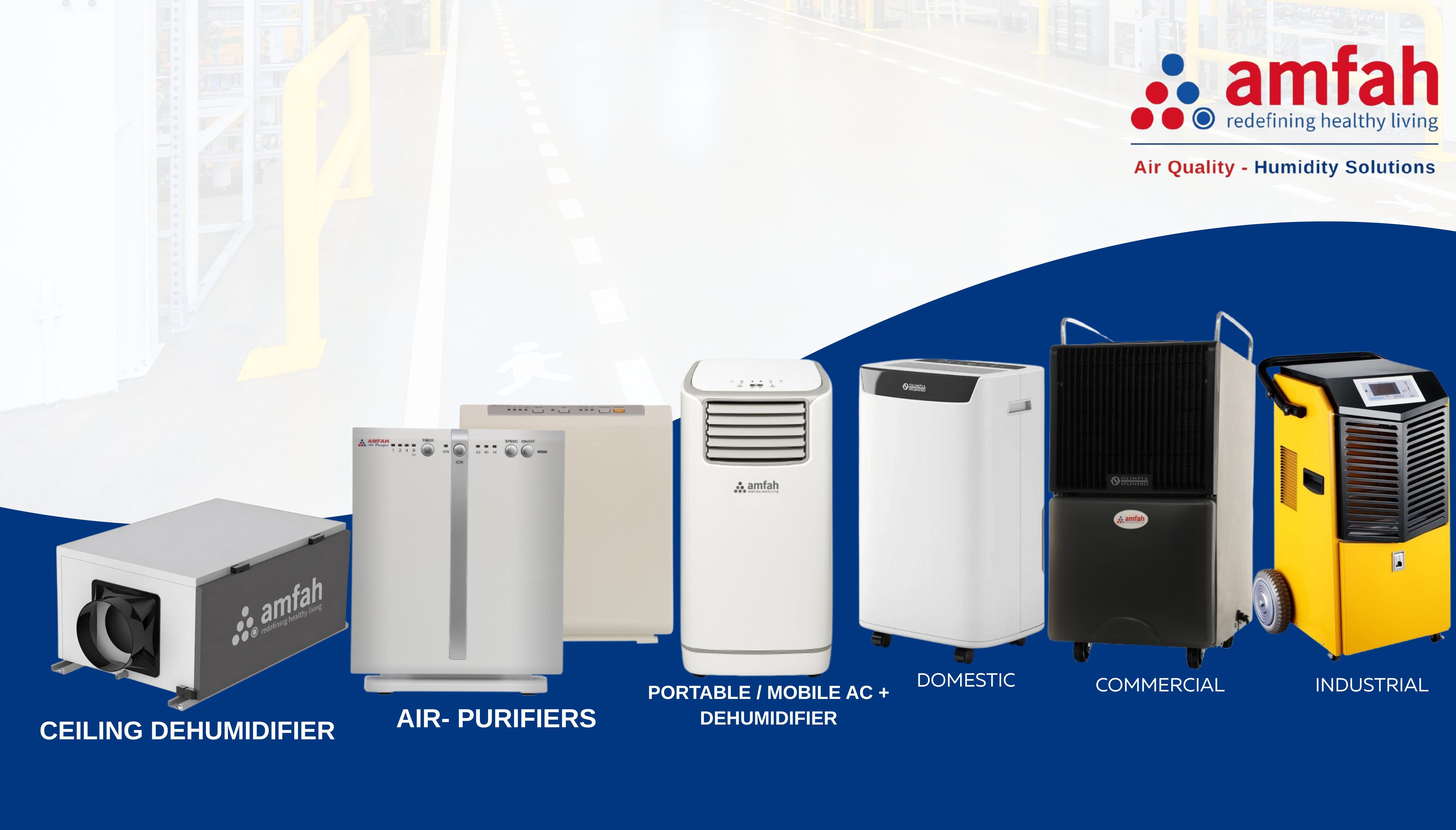
Environmental humidity control represents one component of a broader, integrated clean-air protocol. Dental operators are encouraged to pair active dehumidifiers alongside medical-grade HEPA filters, high-volume evacuation (HVE) suction, and routine surface sanitization to protect medical personnel and clinic visitors.