Industrial dehumidifiers help control moisture in industrial settings. They protect equipment and materials from damage caused by humidity. These systems keep humidity levels stable, across environments. This stability helps prevent rust, mold and other issues. It also ensures performance of machinery and storage of sensitive materials.
This is where industrial dehumidifiers become important.
Industrial dehumidifiers are designed to remove excess moisture from large spaces and help maintain a controlled humidity level. They are used in warehouses, manufacturing plants, storage facilities, laboratories, pharmaceutical facilities, server rooms and many other industrial environments where moisture can affect products, equipment or operations.
What Is an Industrial Dehumidifier?
An industrial dehumidifier is a high-capacity humidity-control system designed to remove moisture from the air in large or moisture-sensitive environments.
Unlike small residential dehumidifiers, industrial units are designed for larger spaces and higher moisture loads. Depending on the application, they can be used continuously to maintain a more stable indoor environment.
The basic idea is simple: air containing moisture enters the dehumidifier, moisture is removed, and drier air is returned to the space.
This continuous process helps reduce problems associated with excessive relative humidity.
Why Humidity Becomes a Problem in Industrial Spaces
Industrial buildings can experience high humidity for several reasons.
During the monsoon season, humid outdoor air can enter through doors, windows, ventilation systems and loading areas. Manufacturing processes may also release moisture into the surrounding air. Warehouses with frequent loading and unloading can experience repeated changes in humidity as doors are opened.
Temperature changes create another problem. When warm, humid air comes into contact with a colder surface, the air can reach its dew point and condensation may form. This is why moisture can sometimes appear on metal equipment, pipes, storage racks or other surfaces even when there is no visible water source.
Over time, uncontrolled humidity can affect both the building and the materials stored inside it.
How Industrial Dehumidifiers Help
The main purpose of an industrial dehumidifier is to reduce excess moisture and maintain a more controlled humidity level. This can help industries in several ways:
Protecting Products and Raw Materials
Many materials are sensitive to moisture. Paper, cardboard, textiles, wood, powders, packaging materials and certain finished products can absorb moisture from the surrounding air. High humidity can change the physical properties of these materials and may affect their storage life or quality. Maintaining suitable humidity conditions helps reduce unnecessary moisture exposure during storage.
Reducing Condensation
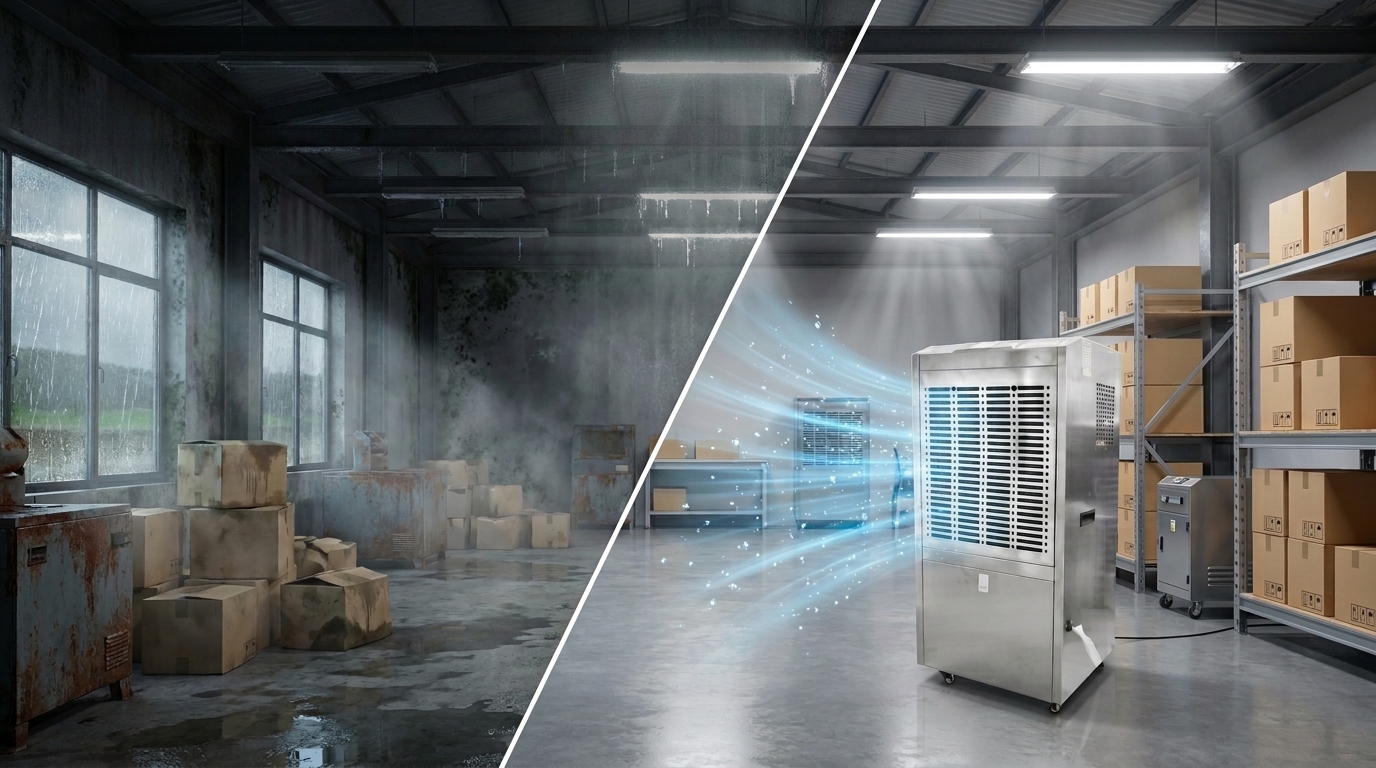
Condensation is one of the most visible signs of humidity problems. In industrial environments, condensation can occur on cold surfaces when humid air comes into contact with them. This can create moisture around equipment, storage areas and building structures. By lowering the moisture content of the air, an industrial dehumidifier can help reduce the conditions that lead to condensation.
Helping Prevent Corrosion
Metal equipment and components can be vulnerable to moisture. When moisture remains present around metal surfaces for long periods, it can contribute to corrosion. This can become a concern in manufacturing plants, warehouses, workshops and equipment-storage areas. Humidity control can therefore become part of a broader strategy for protecting valuable machinery and metal components.
Maintaining Better Storage Conditions
A warehouse does not have to contain water leaks to have a moisture problem. High humidity alone can affect stored goods, particularly when products remain inside the facility for long periods. Industrial dehumidifiers help create a more controlled storage environment where moisture-sensitive materials can be protected from unnecessary humidity exposure.
Where Are Industrial Dehumidifiers Used?
The right humidity-control solution depends on the industry, building size and moisture load. Industrial dehumidifiers are commonly used in environments such as:
Warehouses and Storage Facilities
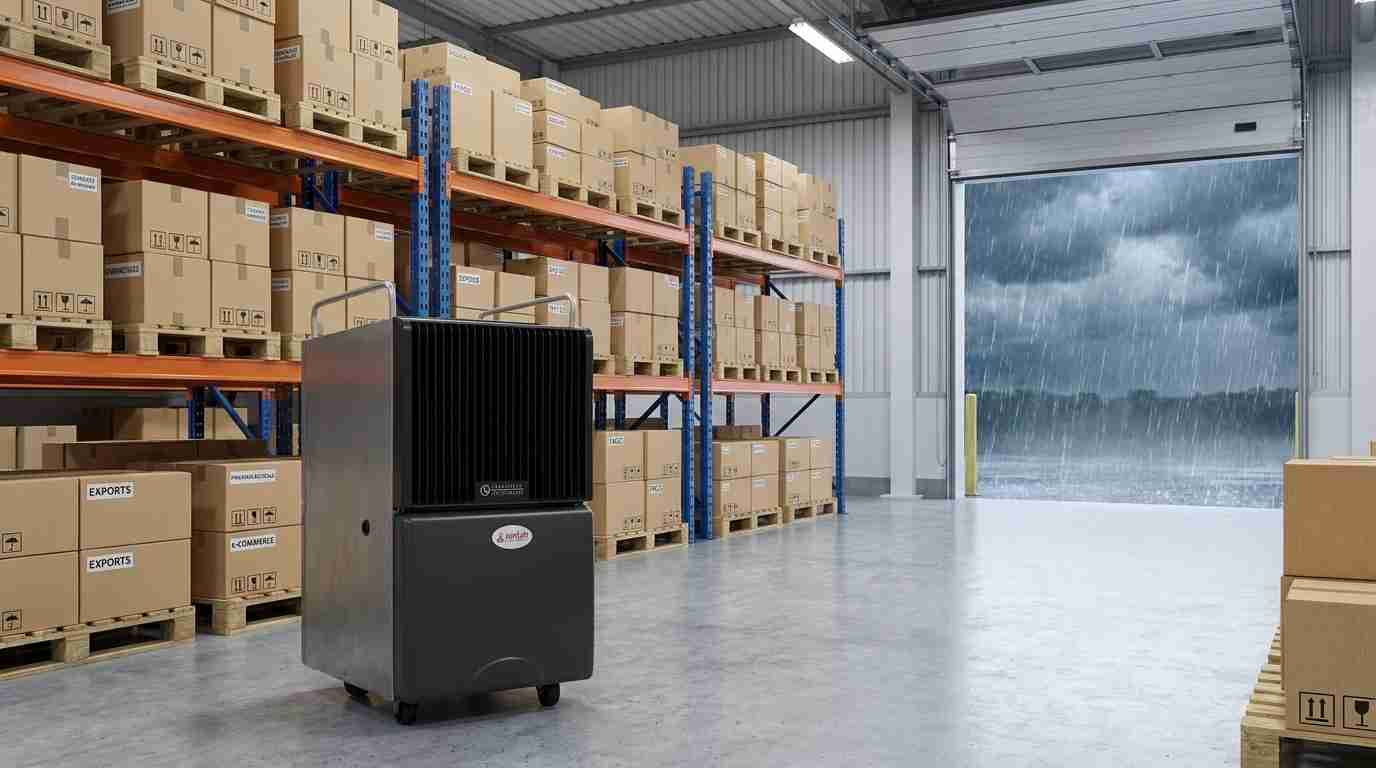
Warehouses may store products for weeks or months. During India's humid and monsoon periods, uncontrolled moisture can become a serious storage concern. Dehumidification in warehouse and storage facilities can help maintain more stable conditions for products, packaging and raw materials.
Pharmaceutical Facilities
Pharmaceutical manufacturing and storage require carefully controlled environmental conditions. Excess humidity can affect materials, packaging and certain production processes. Dehumidification is an essential part of environmental control in pharmaceutical industry applications.
Manufacturing Plants
Industrial manufacturing processes can introduce moisture into the air, while large spaces can also experience humidity changes from outdoor air infiltration. Dehumidifiers can help maintain more consistent humidity conditions around production and storage areas.
Food and Powder Processing
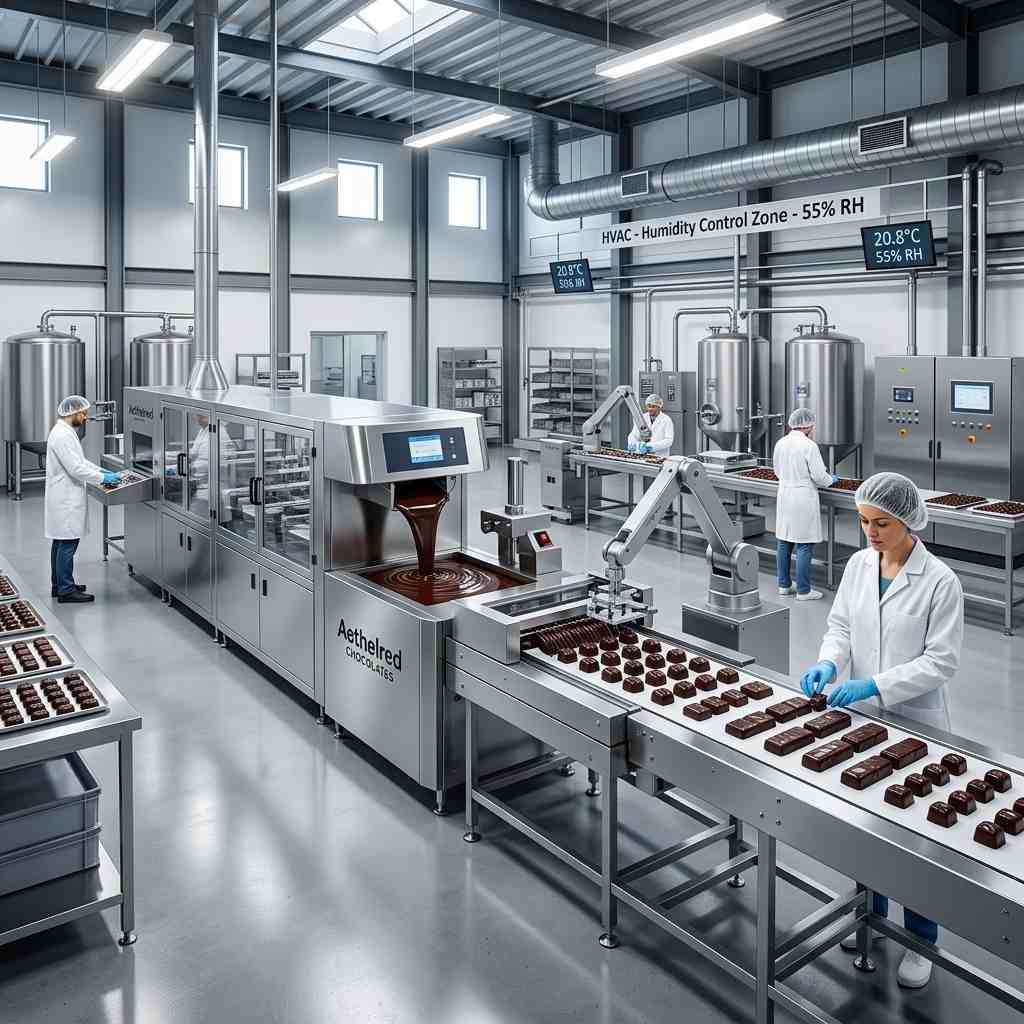
Powders and other moisture-sensitive ingredients can be affected by humidity during processing and storage. Controlling moisture in the surrounding environment can help reduce unwanted moisture absorption and improve handling conditions in food industry operations.
Laboratories
Laboratories may contain sensitive equipment, materials and samples that require stable environmental conditions. Humidity control can help create a more consistent environment and reduce moisture-related concerns.
Server and Network Rooms
Electronic equipment operates best in a controlled environment. Excess moisture can contribute to condensation and create additional risks for sensitive electronic components. Humidity control can therefore be considered alongside temperature control in server and network environments.
Equipment and Defence Storage
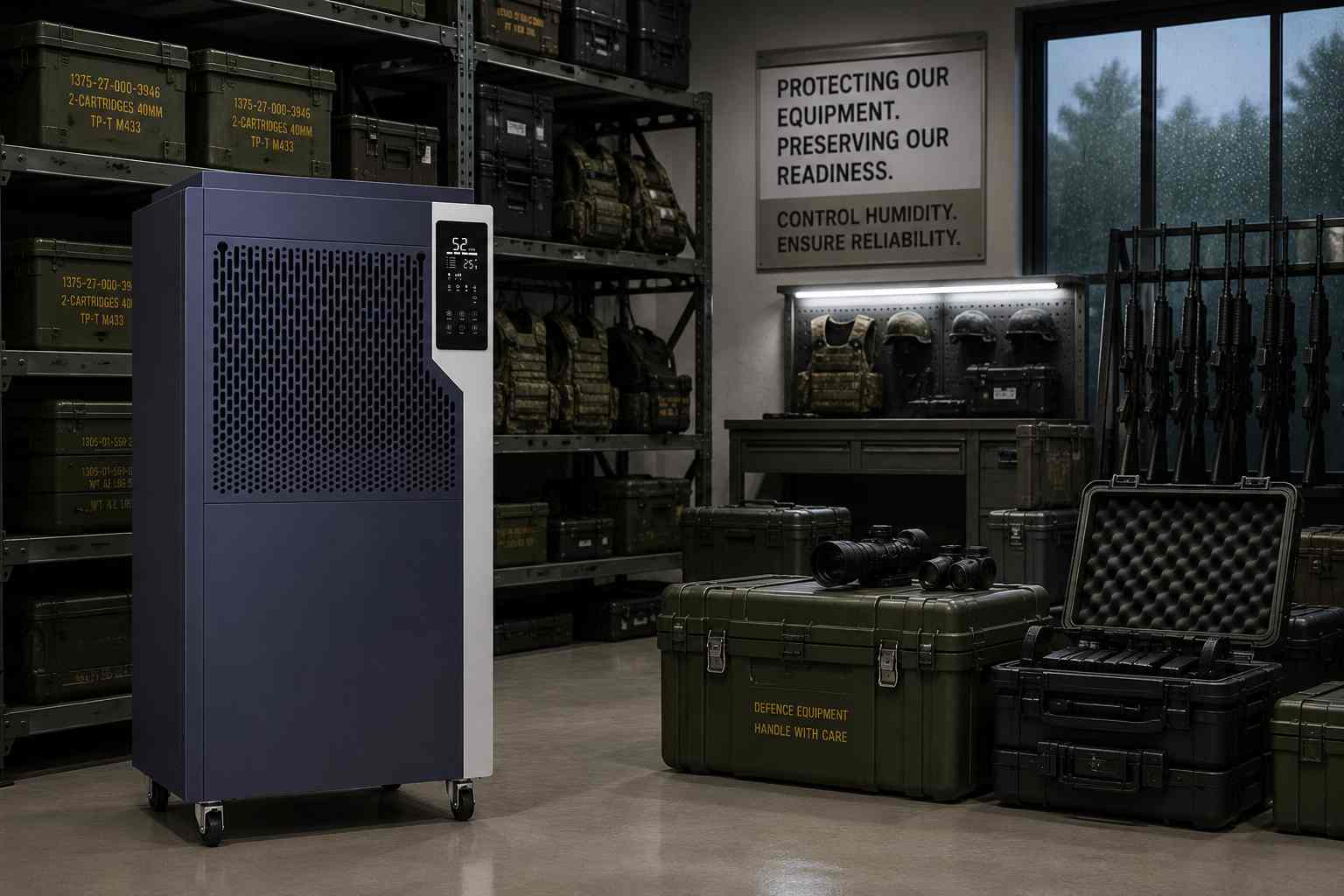
Stored equipment, components and metal parts can remain in storage for extended periods. Maintaining controlled humidity can help reduce moisture-related deterioration during storage.
Industrial Dehumidifiers During India's Monsoon
For many Indian businesses, humidity control becomes particularly important during the monsoon. Outdoor air can carry a significant amount of moisture, and every time a large warehouse or factory door opens, humid air can enter the building. This can be especially noticeable in coastal and high-humidity regions.
A facility may have adequate air conditioning and still experience humidity problems because cooling the air and removing moisture are not exactly the same thing. An industrial dehumidifier provides dedicated moisture removal, allowing humidity control to be addressed separately from temperature control.
Choosing the Right Industrial Dehumidification Approach
There is no single industrial dehumidifier that is suitable for every facility. The required capacity depends on factors such as the size of the space, existing humidity level, desired humidity level, outdoor conditions, number of doors and openings, ventilation, occupancy and the amount of moisture generated inside the facility.
For example, a relatively closed storage room with limited moisture entering the building will have a very different requirement from a large manufacturing area with frequent loading activity and moisture-generating processes. This is why industrial humidity control should be considered based on the actual moisture load, rather than simply choosing a unit based on floor area.
Dehumidifier vs Air Conditioning for Humidity Control
Air conditioners can remove some moisture while cooling a space, but their primary purpose is temperature control. An industrial dehumidifier is specifically designed around moisture removal.
For facilities where humidity itself is a major concern, dedicated dehumidification can provide a more focused approach to controlling moisture. In some industrial applications, air conditioning and dehumidification can also work together, with each system handling a different part of the environmental-control requirement.
Why Proper Humidity Control Matters
Humidity may not look like an obvious industrial problem, but its effects can become expensive when left unmanaged. Moisture can affect:
- Raw materials
- Finished products
- Packaging
- Machinery
- Metal components
- Electronic equipment
- Storage conditions
- Production environments
The goal is not simply to make the air feel dry. The goal is to maintain an environment that is suitable for the materials, products and processes inside the facility.
A Practical Approach to Industrial Humidity Control
Before installing an industrial dehumidifier, it is useful to understand where moisture is coming from. Look at loading and unloading areas, doors, ventilation, production processes, cold surfaces and storage conditions. Measuring relative humidity at different points of the facility can also help identify where the biggest problems occur.
Once the moisture sources and required humidity conditions are understood, the dehumidification system can be selected and positioned accordingly. This approach is generally more effective than simply installing a high-capacity unit without understanding the actual humidity problem.
Final Thoughts
Humidity control is an important part of protecting industrial spaces, particularly in environments where products, equipment or materials are sensitive to moisture. From warehouses and manufacturing plants to pharmaceutical facilities, laboratories and equipment-storage areas, industrial dehumidifiers can help reduce excess moisture, control condensation and maintain more stable environmental conditions.
For businesses looking for dedicated humidity-control solutions, AMFAH industrial dehumidifiers provide robust dehumidification systems designed for industrial and commercial applications. The right solution depends on the facility, moisture load and required humidity conditions, so understanding the application should always come first.